
Civil Unrest
During rapid social breakdowns and widespread urban friction, blending into surrounding populations while shedding identifiable tactical gear prevents unwanted scrutiny. Survival hinges on early situational awareness, deliberate route scouting away from flashpoints, and maintaining strict de-escalation protocols both on the street and at your domestic perimeter.
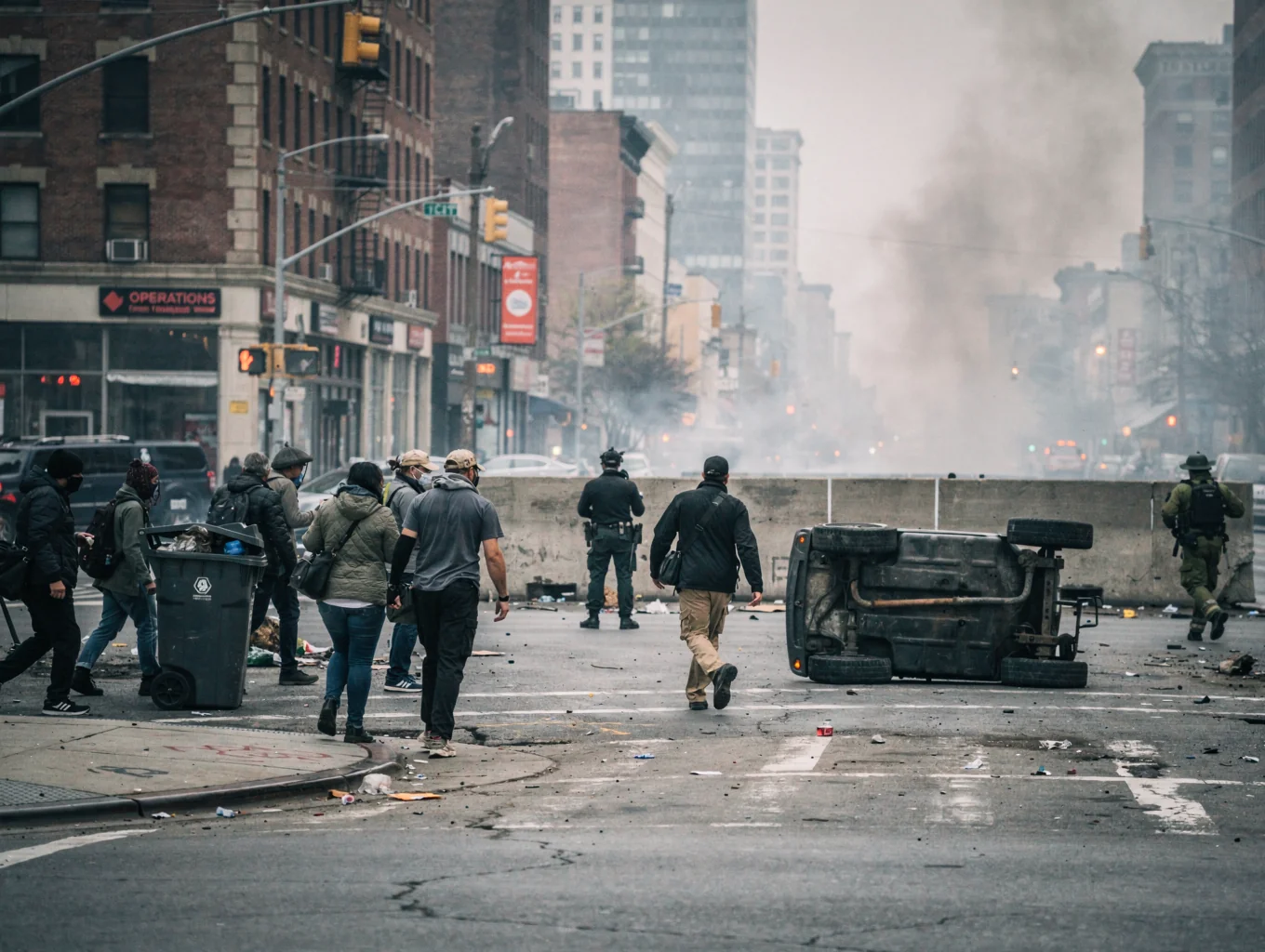
Critical Field Directives
- Low-profile movement & neutral, non-descript civilian attire
- Active flashpoint avoidance & multi-route navigation scouting
- Quiet residential perimeter coordination with trusted neighbors
- Strict conflict de-escalation posture over active armed confrontation
The Gray Man Philosophy in Volatile Crowds
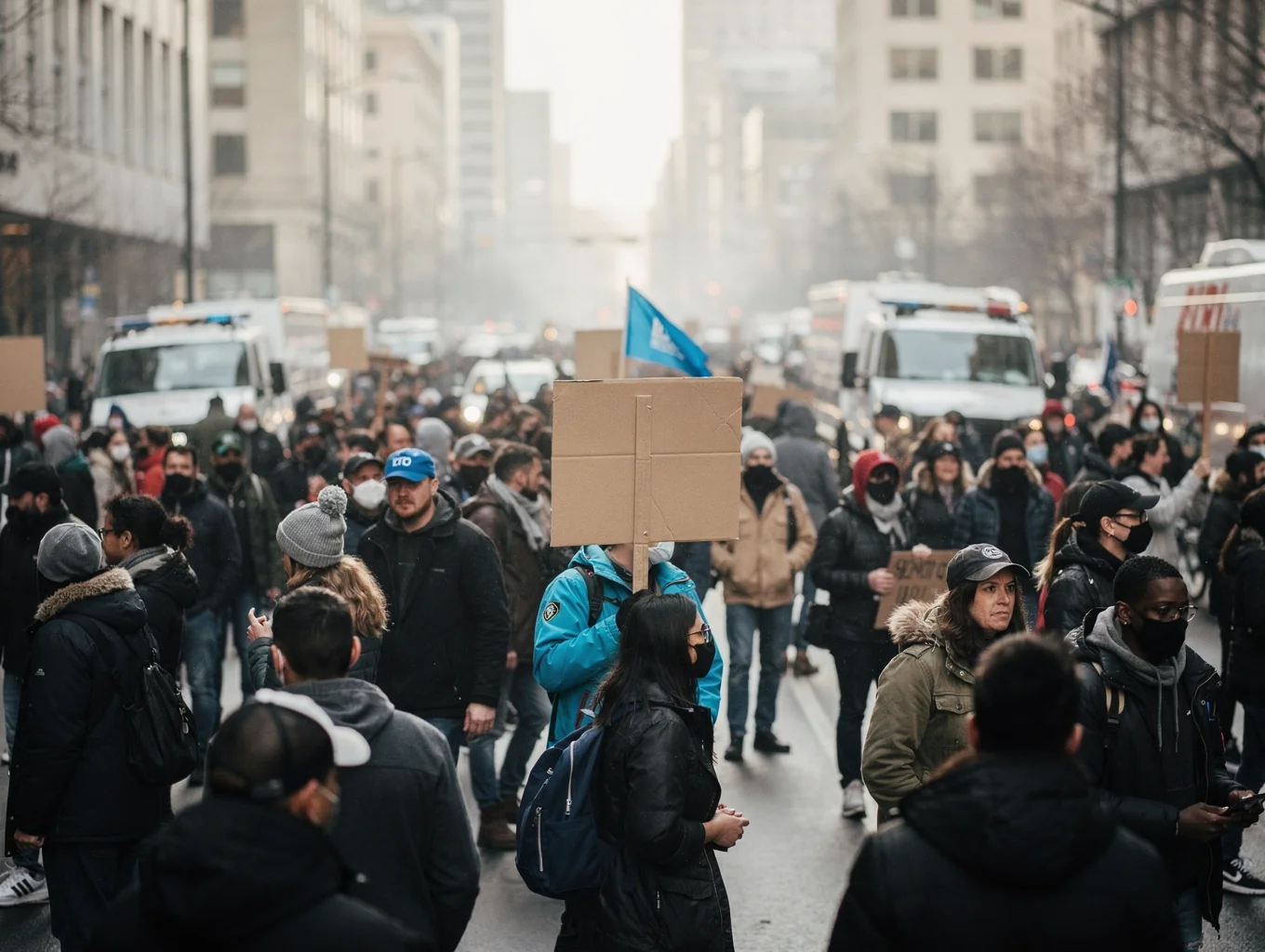
In dynamic civil disturbances, visual distinction is your greatest vulnerability. Overt tactical equipment, camouflage apparel, conspicuous branded clothing, or political identifiers instantly attract attention from opposing factions and crowd-control personnel alike. The primary defense is absolute neutrality in posture, pace, and wardrobe.
Move at the cadence of ordinary pedestrian traffic. Avoid abrupt counter-directional sprinting unless dodging an immediate physical hazard, as erratic movement draws focus. Keep your eyes up, hands visibly clear and unthreatening, and maintain an even, relaxed facial demeanor to avoid being profiled as either a participant or a provocateur.
- 1Remove all political pins, aggressive morale patches, reflective elements, and tactical accessories before entering public spaces.
- 2Wear neutral earth-toned or muted city colors that match typical commuter standards for your local climate.
- 3Store defensive utilities, lights, and personal protective items deep inside a standard school- or commuter-style daypack.
- 4Keep your phone silenced and tucked away, observing your environment with direct vision rather than through a screen.
Flashpoint Avoidance and Dynamic Route Scouting
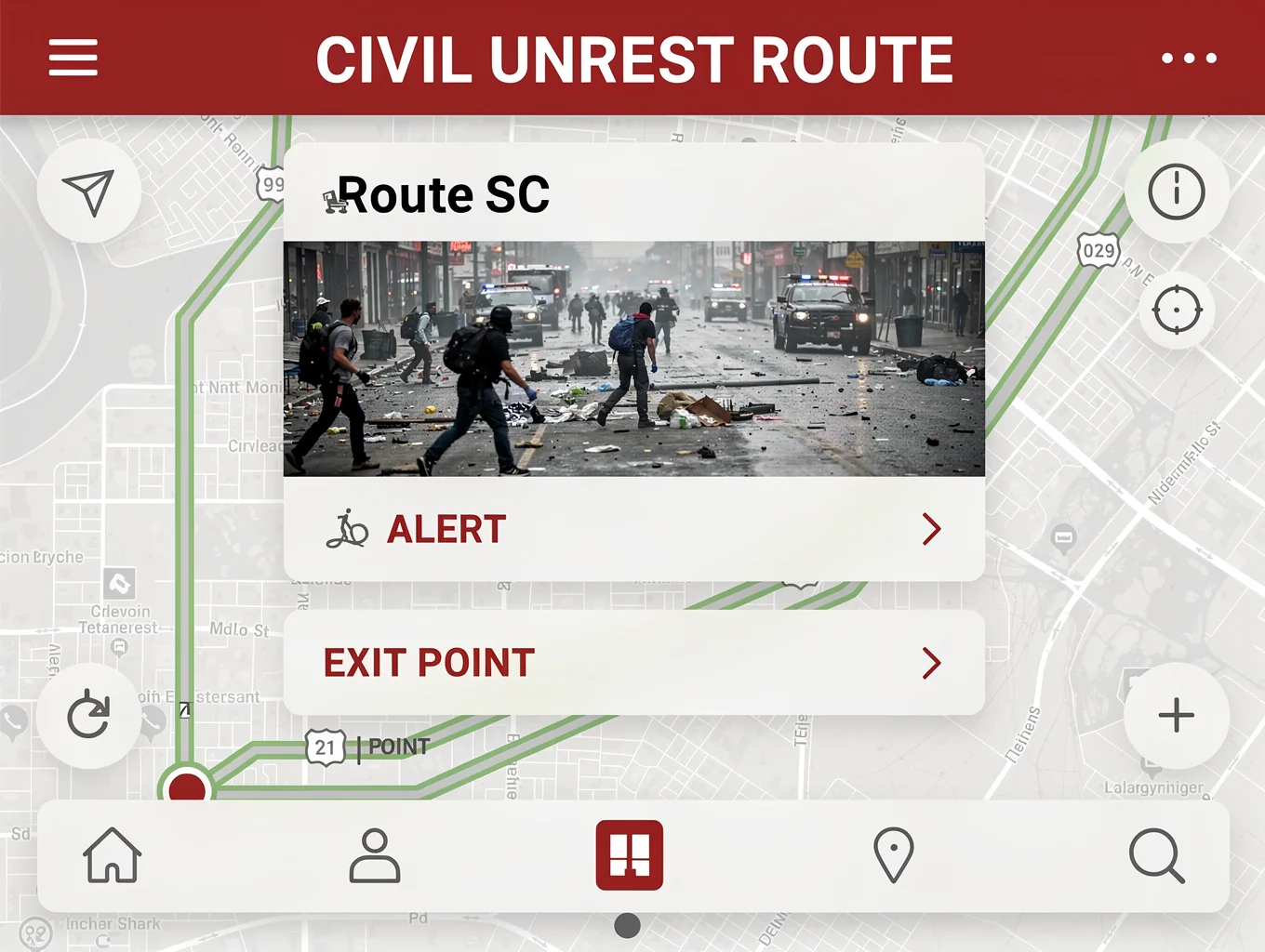
Civil unrest rarely spreads instantaneously across an entire metropolitan area; it concentrates along symbolic government hubs, commercial shopping corridors, transit interchanges, and major intersections. By mapping these friction zones beforehand, you can systematically skirt potential bottlenecks long before crowds reach critical density.
Never commit to a route without a secondary escape branch. Bottlenecks such as bridges, underpasses, one-way alleys, and fenced transit platforms can become rapid kill-boxes or crowd-crush points when police lines or agitated groups converge.
- 1Identify at least three independent pedestrian routes between your primary workplace, children's schools, and home.
- 2Avoid high-density mass transit hubs during volatile hours; prioritize arterial side streets with open avenues of egress.
- 3Monitor local radio broadcasts, municipal alerts, and physical cues like rising smoke or distant sirens to adjust navigation.
- 4If an approaching crowd blocks your path, turn calmly onto a perpendicular side street rather than attempting to cut through.
Quiet Perimeter Hardening and Home Protection
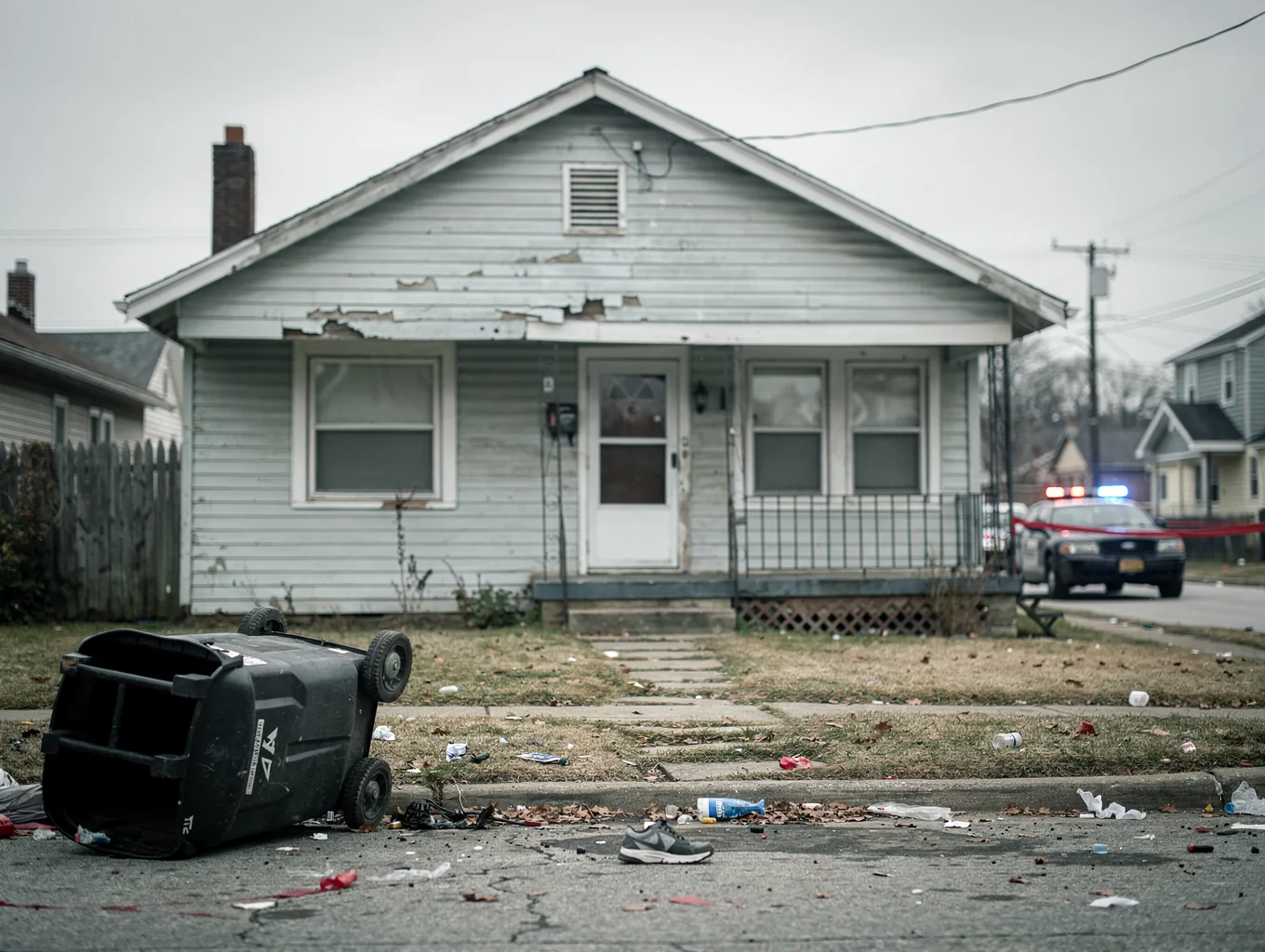
Securing your residence during localized civil disorder requires discreet physical measures that do not advertise fear, wealth, or barricaded paranoia. Drawing attention with visible armed sentries or aggressive exterior barricades can transform a peaceful home into a curious target for opportunists.
Focus on subtle structural reinforcements from the interior. Keep window coverings drawn to eliminate backlight silhouette indicators, maintain normal exterior illumination to deny unmonitored shadows, and establish quiet interior defensive zones that protect occupants from stray projectiles or forced entry attempts.
- 1Reinforce exterior door strike plates and hinges with three-inch hardened screws installed quietly from inside.
- 2Draw blackout blinds or heavy curtains across all exterior windows before nightfall to mask interior movement.
- 3Stage fire extinguishers on each level of the home to quickly neutralize opportunistic incendiary hazards.
- 4Confirm primary and secondary off-grid communication channels with family members in case cellular networks choke.
De-Escalation Protocols and Neighbor Coordination
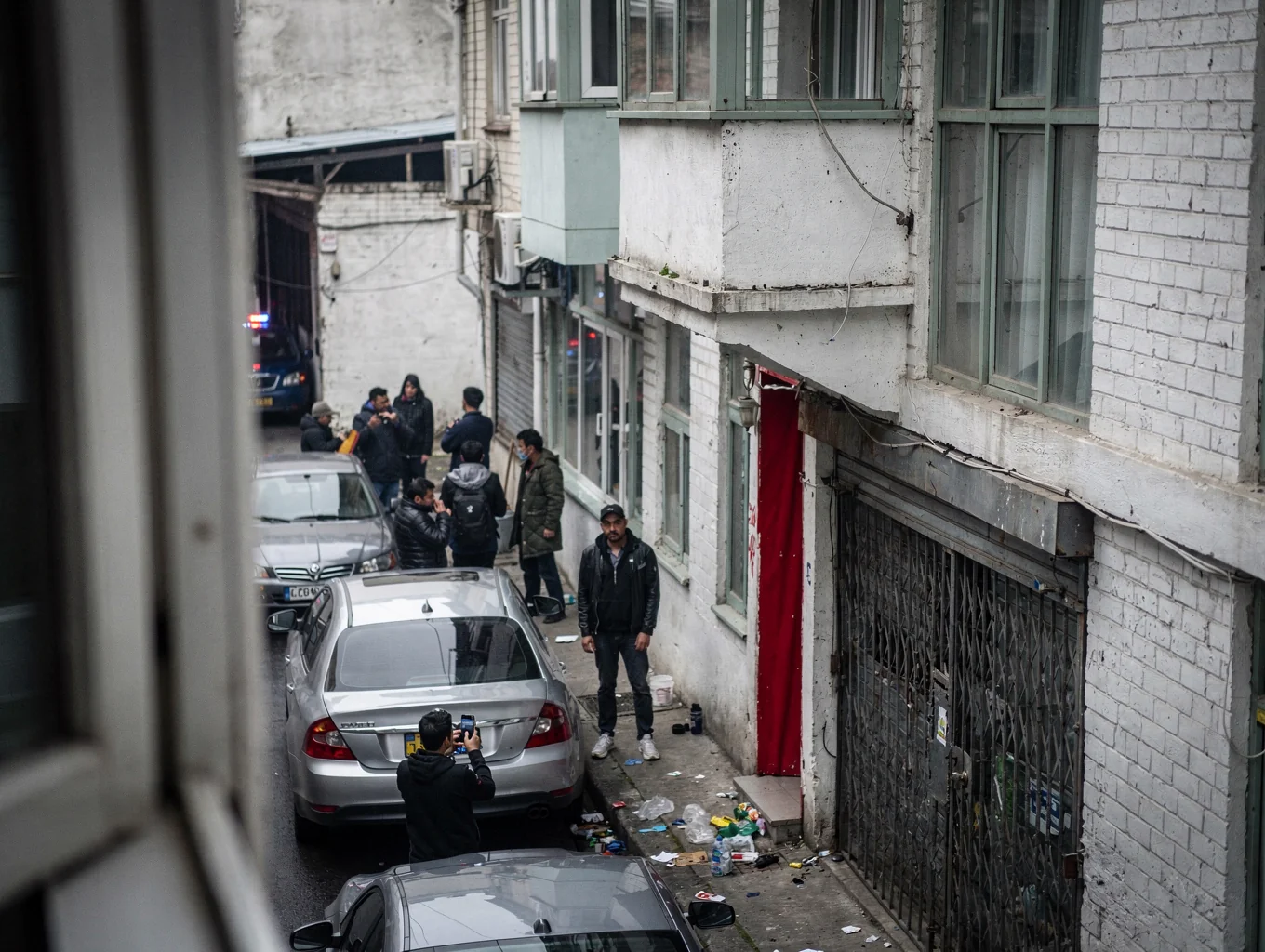
When confronted by an aggressive individual or group, de-escalation is your most tactical survival instrument. Physical engagement carries severe legal, physical, and medical risks during periods of overwhelmed emergency services. Keep your tone calm, concise, and non-confrontational, giving aggressive parties an unobstructed path to disengage.
Coordinate defensively with trusted immediate neighbors without creating an intimidating street presence. Share observational intel, agree on non-verbal distress signals, and establish collective watch rotations without advertising an armed militia presence to passerby.
- 1Use open-palm gestures at chest height to project non-threatening body language while shielding your vitals.
- 2Acknowledge hostility with brief, steady statements designed to defuse emotional escalation without apologizing or debating.
- 3Never corner or verbally challenge an agitated subject; leave them an obvious physical route to walk away.
- 4Establish a closed communication loop with adjacent neighbors to share timely updates on street-level activity.
What to Have Ready for Civil Unrest
- Low-profile nondescript commuter backpack (no MOLLE webbing or tactical loops)
- Shatterproof safety glasses and N95 / particulate masks for smoke or irritant protection
- Compact high-lumen flashlight with momentary tail-switch and spare lithium cells
- Physical paper street atlas covering secondary alleys, access roads, and pedestrian cut-throughs
- Sturdy multi-tool, pocket door stops/wedges, and heavy-duty interior lock reinforcements
- Dedicated multi-purpose fire extinguishers positioned near front and rear entrances
- Handheld emergency NOAA/AM/FM weather radio with battery or crank operation
More Guides in this Series
Standard operational protocol & readiness briefing.
Standard operational protocol & readiness briefing.
Standard operational protocol & readiness briefing.
Standard operational protocol & readiness briefing.
Standard operational protocol & readiness briefing.