
Industrial & Chemical Accidents
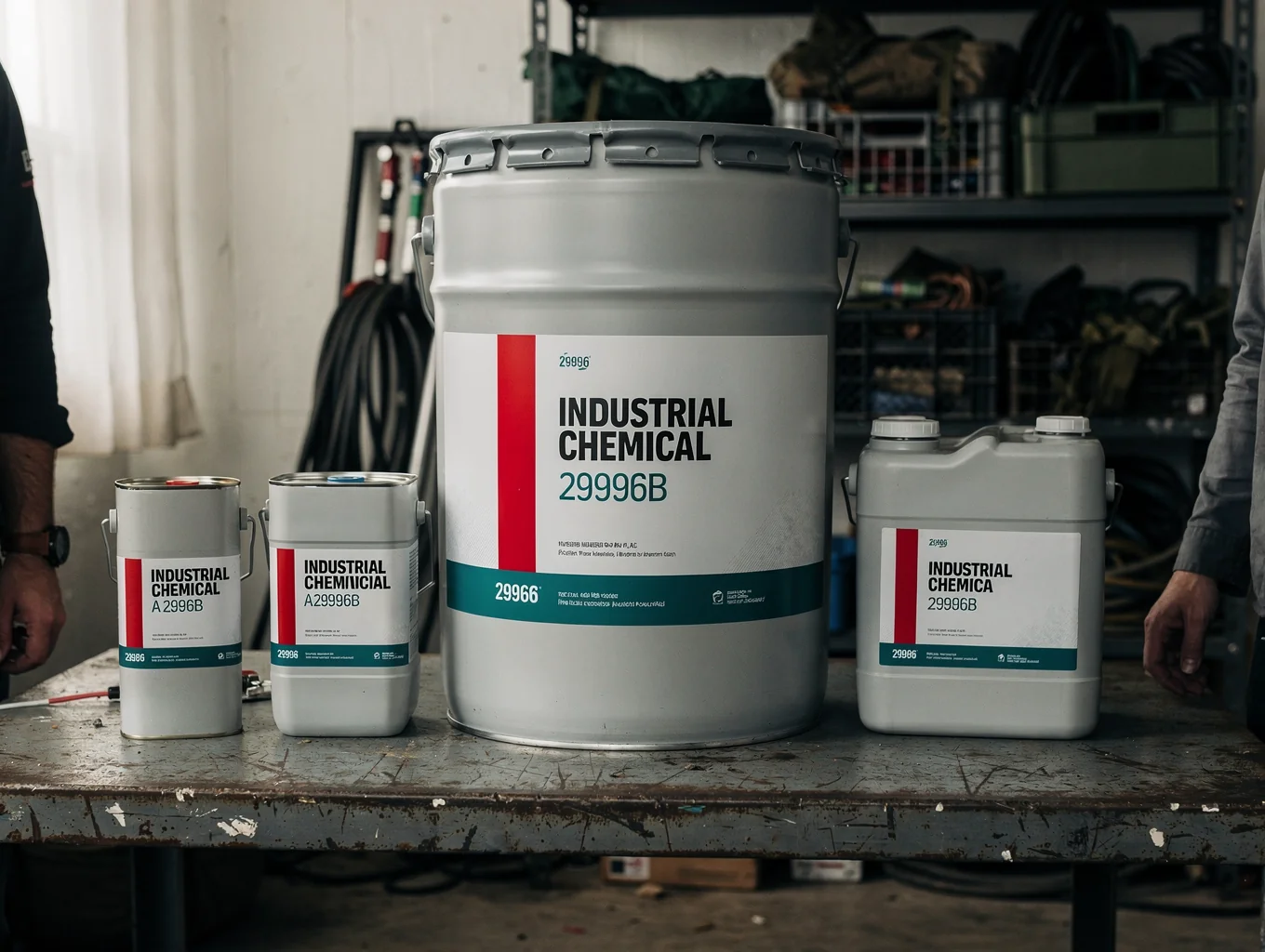
Hazardous material spills, toxic rail ruptures, and industrial chemical plumes require immediate situational assessment between rapid upwind evacuation and hermetic shelter-in-place sealing. Because toxic vapor clouds follow local micro-climates, making the correct initial tactical decision within minutes is essential to preserving respiratory health and long-term survivability.
Critical Field Directives
- Rapid upwind evacuation triggers and vector assessment
- Airtight shelter-in-place room sealing procedures
- Protection of potable water reserves and pharmaceutical seals
- Safe perimeter ventilation and post-exposure decontamination
Immediate Threat Assessment: Evacuate vs. Shelter-in-Place
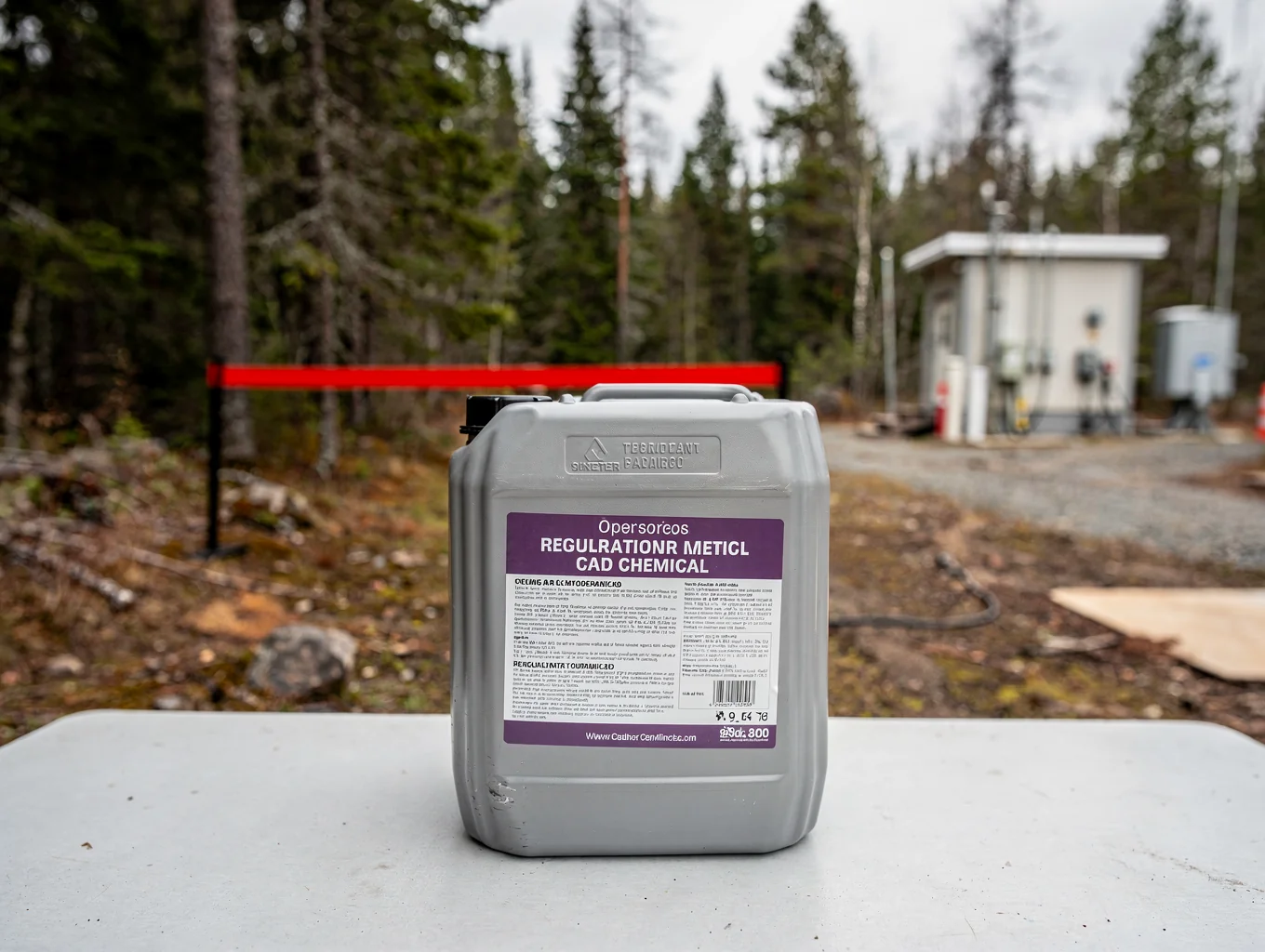
In any major industrial toxic release or freight derailment, the initial thirty minutes determine exposure severity. Toxic industrial chemicals (TICs)—including chlorine, ammonia, sulfur dioxide, and phosgene—exhibit disparate densities; some hug ground depressions while others disperse high into local air currents.
Execute rapid upwind evacuation only if you are situated directly in the path of a moving plume and possess an unobstructed route perpendicular to wind direction. If highway bottlenecks, active panic, or visible vapors block immediate departure, transitioning swiftly to an airtight interior shelter-in-place protocol yields far superior survivability.
- 1Observe wind indicators (flags, tree tops, steam vents) to establish local wind direction.
- 2If evacuating, move crosswind immediately, then travel upwind away from the spill source.
- 3Avoid low-lying terrain, basements, highway underpasses, and drainage ditches where heavy vapors pool.
- 4Tune to NOAA emergency broadcasts or local analog repeaters to confirm designated perimeter boundaries.
Airtight Shelter-in-Place Protocol
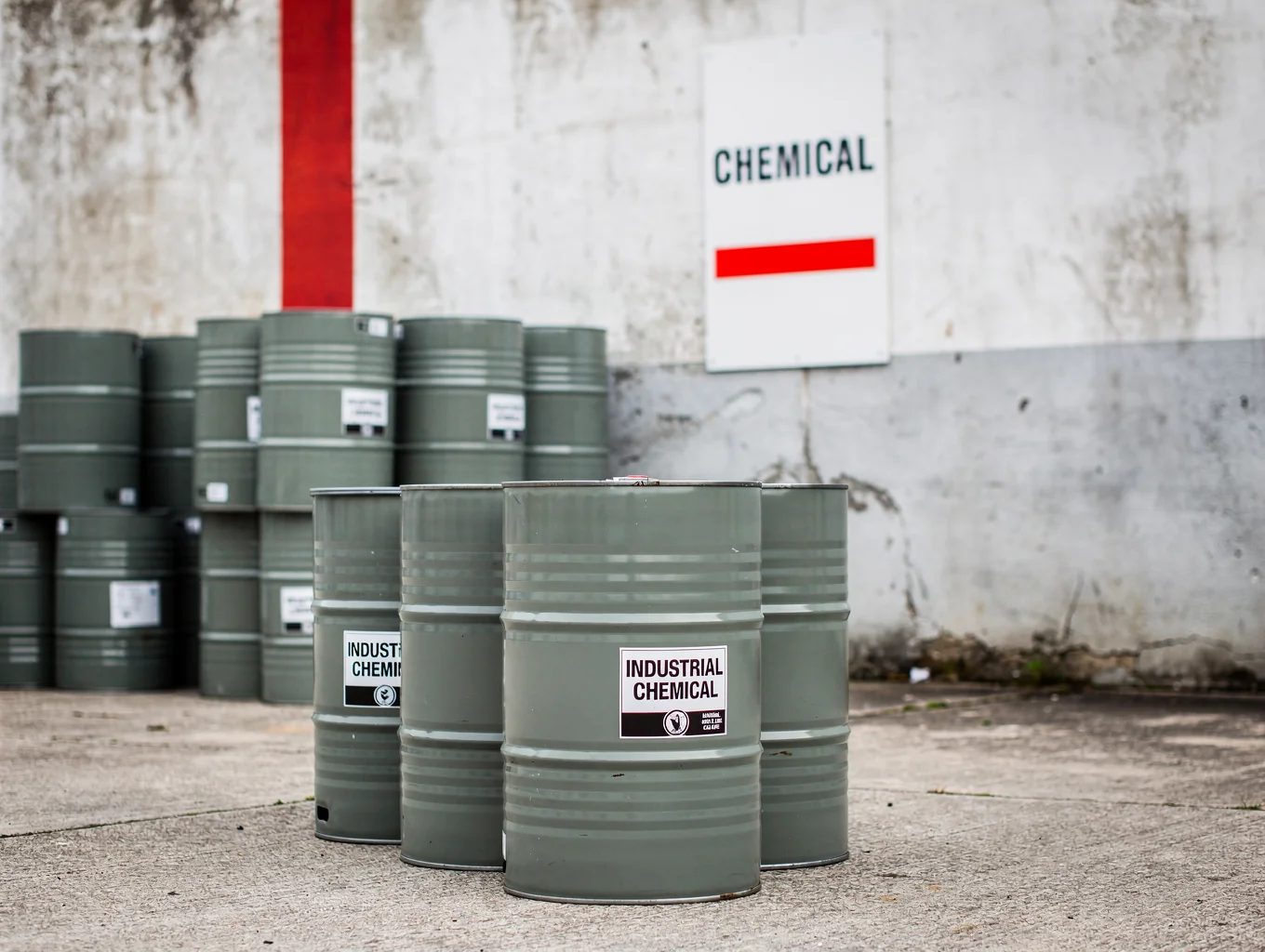
When evacuation is compromised or when hazardous vapor spreads faster than transit permits, an airtight interior room creates a temporary atmospheric buffer. Choose an above-ground room with the fewest exterior windows and doors, preferably equipped with an en-suite water supply.
Mechanical ventilation systems must be severed immediately to prevent forced air intake from pulling concentrated chemical clouds indoors. Standard home construction breathes; deliberate barrier application reduces infiltration rates to safe limits during plume passage.
- 1Shut off all HVAC systems, exhaust fans, attic vents, and fireplace flues immediately.
- 2Close and latch every exterior window and solid door throughout the structure.
- 3Retreat to your designated interior shelter room and seal all door edges with heavy 4-6 mil plastic sheeting and duct tape.
- 4Apply duct tape over electrical outlets, switch plates, plumbing pass-throughs, and window seams.
- 5Place damp towels or rolled foam along bottom door thresholds to arrest residual ground drafts.
Securing Water, Food, and Pharmaceutical Integrity
Airborne chemical releases, particulate fallout, and firefighting foam residues rapidly contaminate municipal water lines and exposed non-hermetic packaging. Volatile compounds can permeate plastic bottles not rated for chemical storage or leach into roof-catchment systems.
Rely exclusively on commercially sealed glass jars, high-density polyethylene (HDPE) containers, or pre-stored inverted bottled water until municipal water testing confirms potable parameters. Pharmaceuticals, insulin reserves, and surgical dressings must remain within vapor-barrier dry bags.
- 1Shut off main municipal water supply valve before exterior distribution lines become tainted.
- 2Isolate existing interior water tank supplies by closing bypass and expansion valves.
- 3Keep sealed dry rations inside thick plastic tote containers with intact silicone gaskets.
- 4Do not ingest exposed produce, garden crops, or unsealed food items located in the perimeter zone.
Post-Plume Aeration and Safe Decontamination
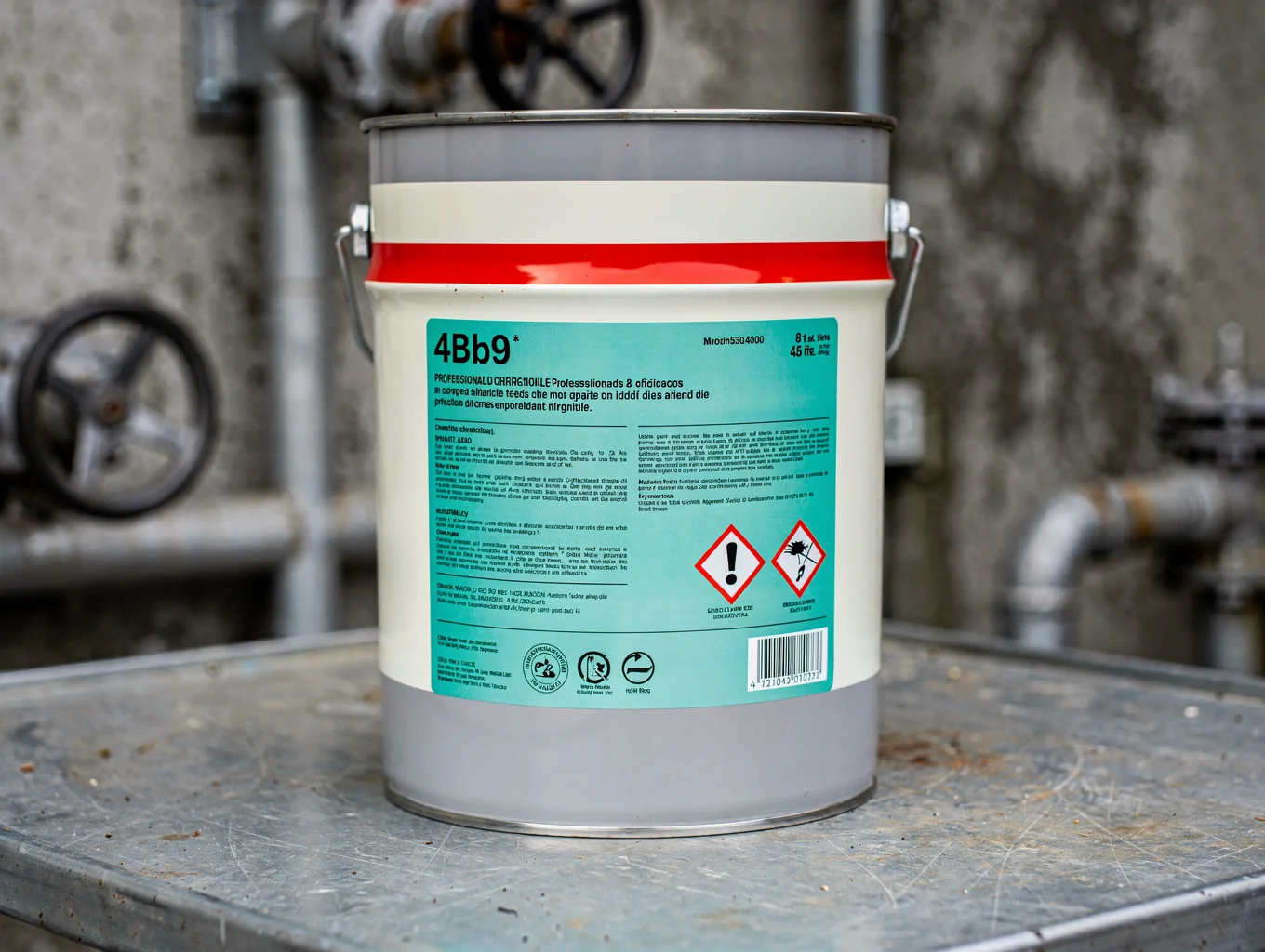
Prematurely unsealing a shelter room remains a frequent hazard. Toxic vapors may linger in pockets after the primary plume shifts. Do not break tape seals until civil defense authorities verify that ambient air quality has normalized across your sector.
When exiting, conduct systematic decontamination if any individual encountered the plume prior to sealing. Remove outer clothing outside living spaces, seal garments inside airtight contractor bags, and rinse skin thoroughly with clean lukewarm water without abrasive scrubbing.
- 1Wait for official all-clear confirmation before opening any tape seals or exterior vents.
- 2Open opposing windows briefly to establish cross-ventilation once ambient air is certified safe.
- 3Strip and isolate contaminated garments outside the living perimeter in heavy-gauge disposal bags.
- 4Wipe hard surfaces with clean damp microfiber towels to capture settled airborne particulates.
Essential Chemical Incident Readiness Kit
- 4-mil or 6-mil pre-cut heavy plastic sheeting and multiple rolls of industrial duct tape
- Full-face or half-mask respirators with multi-gas/vapor and P100 particulate filter cartridges
- Chemical splash goggles with indirect venting for unsealed eye protection
- Nitrile and heavy neoprene chemical-resistant utility gloves
- Pre-staged 14-day supply of bottled potable water in hermetically sealed containers
- Battery-powered or hand-crank NOAA emergency weather radio with alert function
- Vapor-tight waterproof dry bags for emergency medical supplies and essential documentation
More Guides in this Series
Standard operational protocol & readiness briefing.
Standard operational protocol & readiness briefing.
Standard operational protocol & readiness briefing.
Standard operational protocol & readiness briefing.
Standard operational protocol & readiness briefing.