
EMP Attack
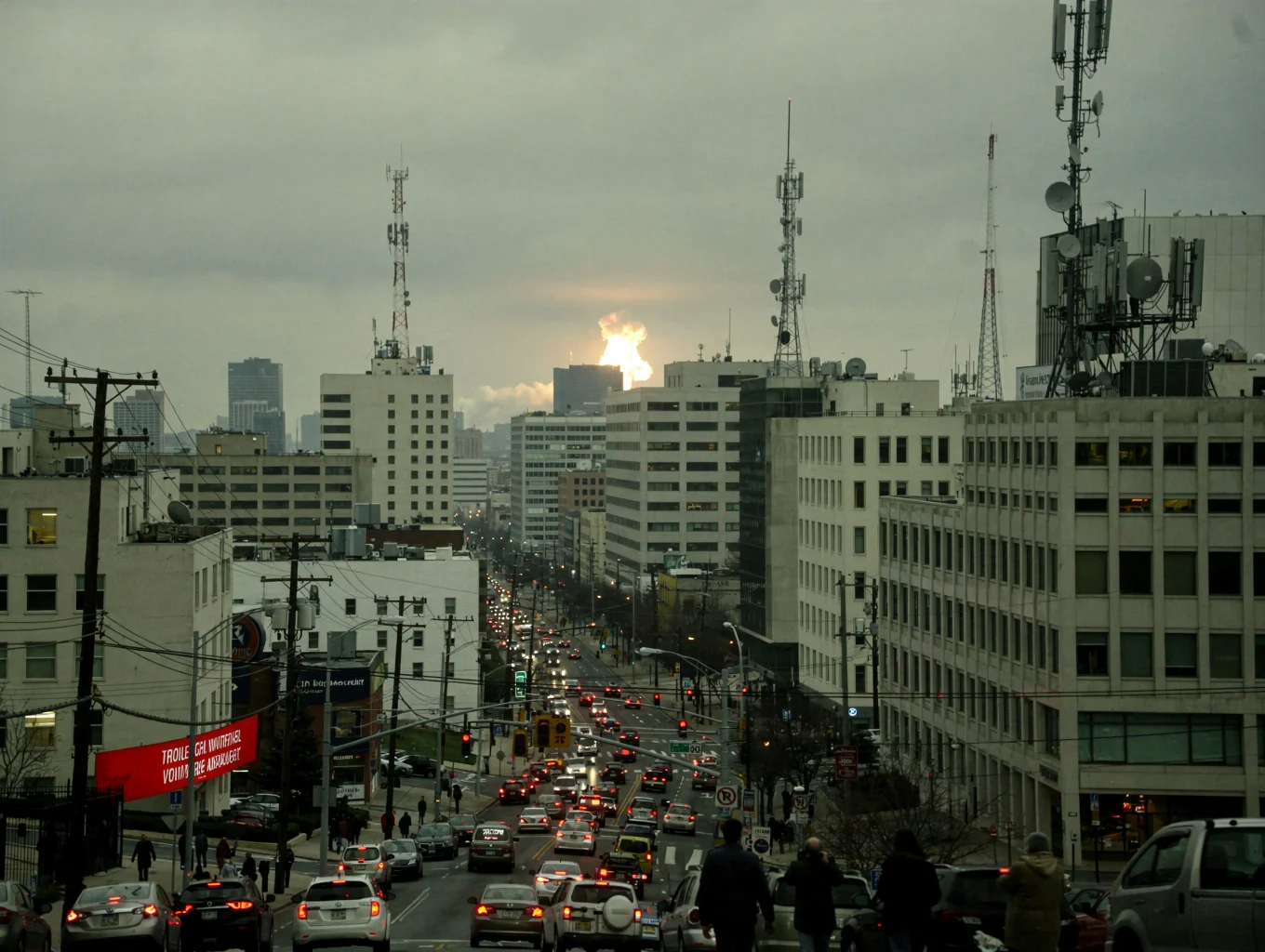
A high-altitude electromagnetic pulse triggers instantaneous power grid collapse, communication blackouts, and solid-state vehicle engine failure. Prioritize mechanical backups, maintain unpowered analogue communications, and store essential electronics inside insulated Faraday enclosures. Distinguish between transient local disruption and catastrophic grid damage by monitoring emergency battery-powered shortwave frequencies.
Critical Field Directives
- Grid vulnerability & immediate blackout across multi-state transmission corridors
- Vehicle shutdown & microchip failure immobilizing modern transportation lines
- Distinguishing transient local outages from permanent transformer burnout
- Faraday shielding protocol for vital radio transceivers and off-grid electronics
- Analogue fallbacks and mechanical survival systems taking absolute priority
Phase 1: Immediate Triage and Situational Verification

In the first seconds following an electromagnetic detonation (E1 pulse wave), digital clocks, cellular towers, and regional power substations sever simultaneously. Unlike a routine rolling blackout or severe weather disruption, telephone exchanges, municipal water pressure booster pumps, and digital ignition circuits cease operation instantly.
Your primary objective is immediate verification without drawing attention or expending finite resources. Assume all municipal utilities and public telecommunications are permanently disabled until verified otherwise.
- 1Disconnect remaining home electrical connections and trip main breaker panels to protect domestic wiring from lingering power surge induction.
- 2Retrieve your primary emergency shortwave/AM/FM radio from its Faraday storage enclosure.
- 3Scan designated local and national emergency broadcast frequencies to assess whether the event is localized or a continental-scale grid collapse.
- 4Fill every available clean container, bathtub, and water bladder immediately before residual municipal pipe head pressure depletes.
- 5Confirm family muster status quietly; avoid street-level gatherings, speculative chatter, or open panic.
Phase 2: Transportation and Mechanical Realities
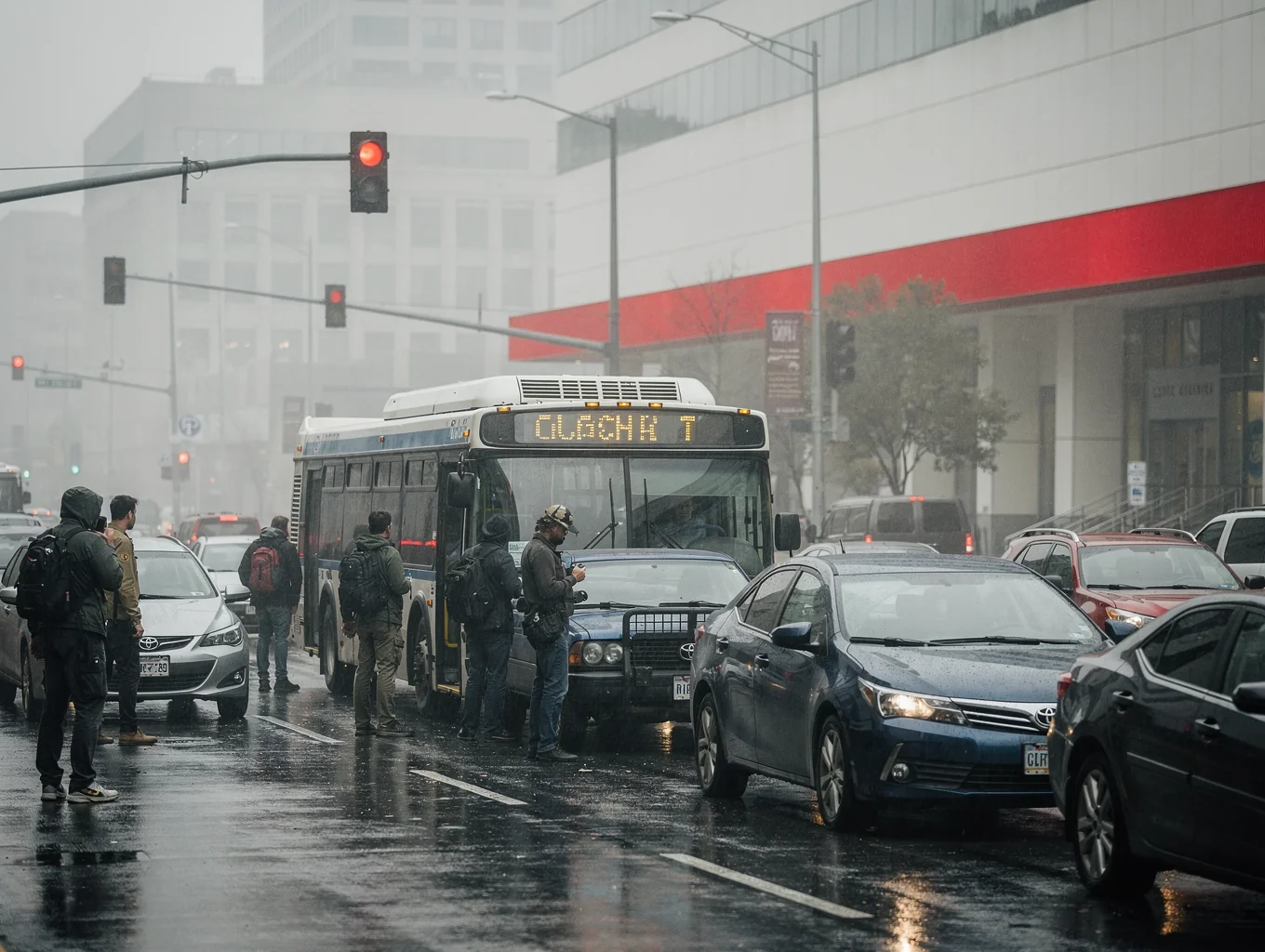
Modern vehicles depend on interconnected microprocessors and engine control units vulnerable to intense field gradients. While some vehicles may survive with sporadic electrical glitches, congested arterial roadways will freeze within minutes as stranded cars block intersections and ramps.
Rely on physical foot reconnaissance, rugged mountain bicycles, or verified vintage carbureted vehicles without delicate solid-state modules. If stranded away from your primary domicile, prioritize low-profile perimeter routes away from commercial centers.
- 1Conduct a diagnostic ignition test on your vehicle only once; avoid draining battery capacity if the starter solenoid or engine control unit fails.
- 2If traveling on foot, maintain a strict gray man posture: conceal survival gear inside unremarkable civilian backpacks and avoid military-style tactical apparel.
- 3Navigate using paper topographic maps and compass bearings; treat all smartphone GPS receivers and cellular navigation tools as permanently offline.
- 4Avoid bottleneck thoroughfares, bridge toll lanes, and metropolitan beltways where vehicles create insurmountable deadlocks.
Phase 3: Faraday Shielding and Electronics Preservation
High-altitude EMP bursts generate fast-rising E1 spikes followed by medium E2 and slow geomagnetic E3 pulses. The E1 component couples directly into conductor tracks, circuit traces, and antenna feeds, puncturing semiconductor junctions.
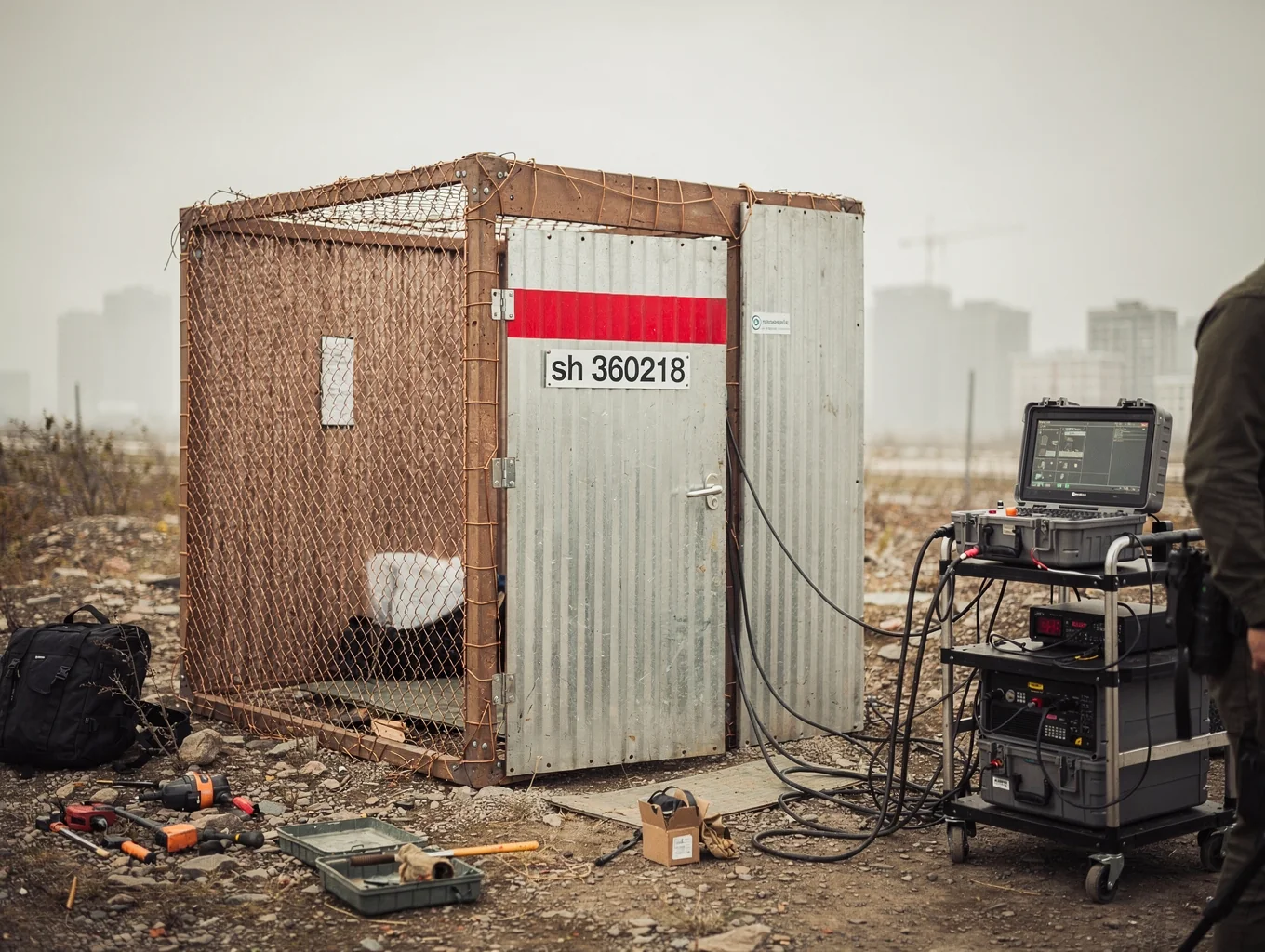
True Faraday enclosures demand continuous conductive outer shells—such as heavy-gauge nested metal ammo cans, galvanized steel bins, or multi-layer metallized RF barrier bags—isolated from internal components by dielectric foam, cardboard, or rubber lining.
- 1Enclose sensitive items (emergency radios, solar charge controllers, LED headlamps, medical diagnostic devices) in insulated inner sleeves.
- 2Seat protected electronics inside tight-fitting, conductive metal containers with overlapping, RF-sealed seams or conductive gasketing.
- 3Keep backup high-capacity rechargeable batteries and mini solar panels in shielded storage until operational deployment.
- 4Inspect container seals periodically to verify clean metal-to-metal continuity without corrosion or gaps.
Phase 4: Sustained Off-Grid Home Fortification
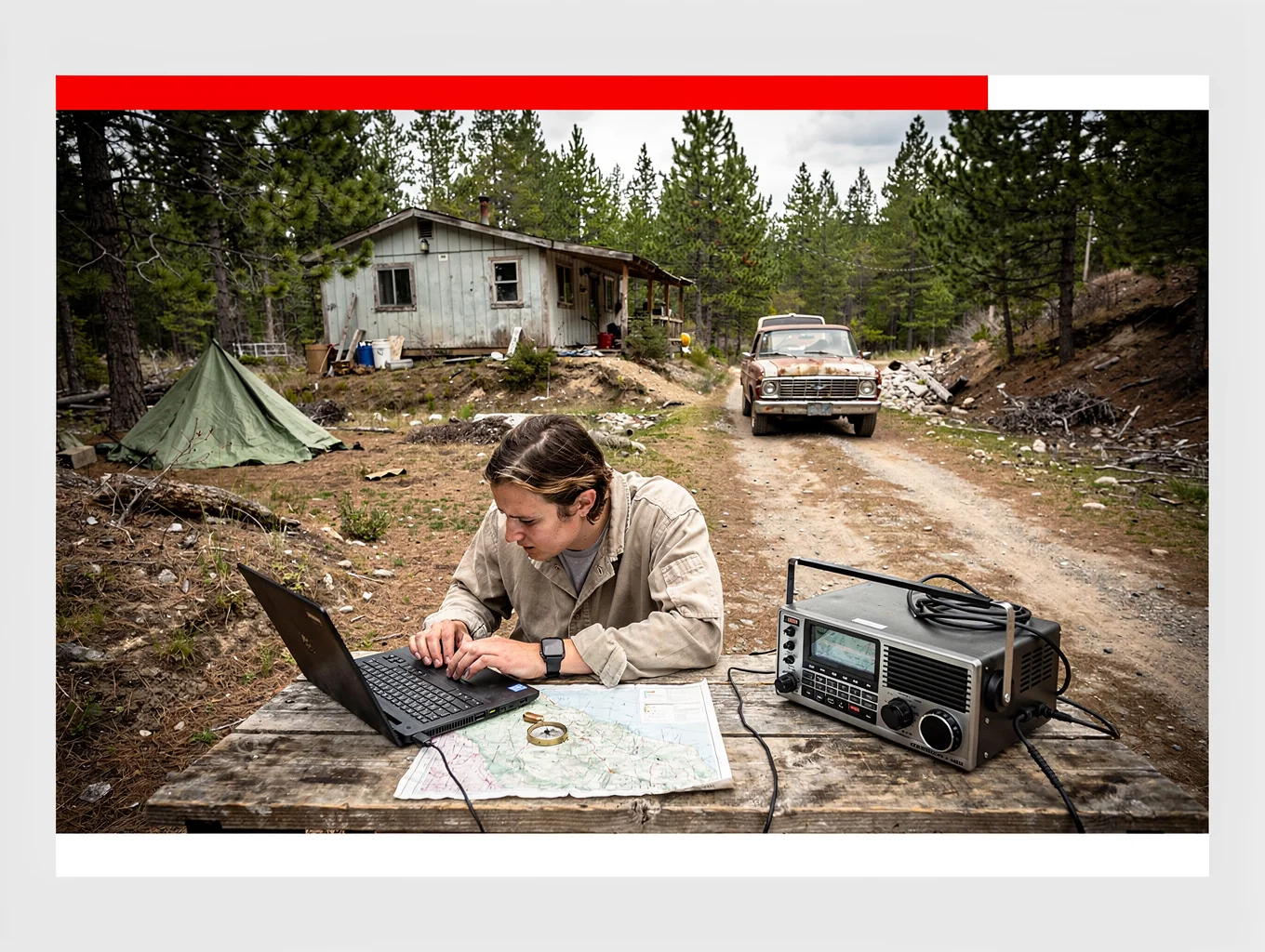
Without electrical distribution, the modern supply chain halts permanently. Municipal water purification terminates, sewage pumping stations back up, and supermarkets empty within hours without replenishment.
Adopt strict light, noise, and smell discipline. Cooking odors, generator rumbles, and illuminated windows advertise preparation in a desperate environment. Transition seamlessly to manual gravity water filters, dry non-perishable pantry stores, and analogue security measures.
Essential EMP Field Readiness Checklist
- Heavy-duty galvanized metal Faraday cans lined with non-conductive cardboard insulation
- Hand-crank and battery-powered emergency shortwave/AM/FM receiver with external wire antenna
- Manual gravity-fed water purification system with replacement ceramic/carbon filters
- Ruggedized, non-tactical mechanical transport (tuned commuter bicycle with puncture-resistant tires)
- Laminated regional topographic maps, street atlases, and lensatic compass
- Analogue LED headlamps and lanterns stored with spare non-rechargeable lithium cells
- Small-scale off-grid solar panels and charge controllers stored inside RF shielding
More Guides in this Series
Standard operational protocol & readiness briefing.
Standard operational protocol & readiness briefing.
Standard operational protocol & readiness briefing.
Standard operational protocol & readiness briefing.
Standard operational protocol & readiness briefing.