
Cyberattack & Grid Failure
Targeted digital sabotage disrupts automated logistics, automated teller networks, and municipal water treatment supervisory systems. Maintain sixty days of tangible physical currency and localized pressurized water filtration before supply chain bottlenecks escalate. Prepare for staggered recovery timelines where regional utilities may remain dysfunctional for multiple weeks.

Critical Field Directives
- Banking & cashless transaction freeze cuts off electronic commerce instantly
- Municipal water treatment failure halts pressurized tap delivery within 24 to 48 hours
- Protracted multi-week utility reboot strains supply logistics and fuel delivery
- Offline operational independence prevents sudden household paralysis during SCADA disruptions
Understanding Grid Vulnerability and Supervisory Control Failure

Modern municipal infrastructure depends on supervisory control and data acquisition (SCADA) systems and industrial control networks. When sophisticated cyber intrusions penetrate distribution substations, water purification plants, or gas pipelines, system operators face corrupted telemetry and uncommanded remote shutdowns. Unlike physical weather events where damage is localized, widespread cyber intrusions can simultaneously destabilize multiple regional interconnects.
Restoring complex utility networks requires manual verification, isolated black-start protocols, and systematic firmware validation across hundreds of substations. This staggered reboot process means power, natural gas, and municipal water pressure cannot be restored with a single master switch, extending baseline outages from days into multiple rolling weeks.
- 1Audit household power dependencies and establish segregated off-grid battery banks for critical appliances.
- 2Disconnect sensitive electronic controllers and home charging docks from main wall circuitry to guard against severe grid reconnection surges.
- 3Document manual operating steps for all mechanical bypasses, including water main shutoffs and manual generator transfer switches.
Financial Freeze: Adapting to Cashless Gridlock
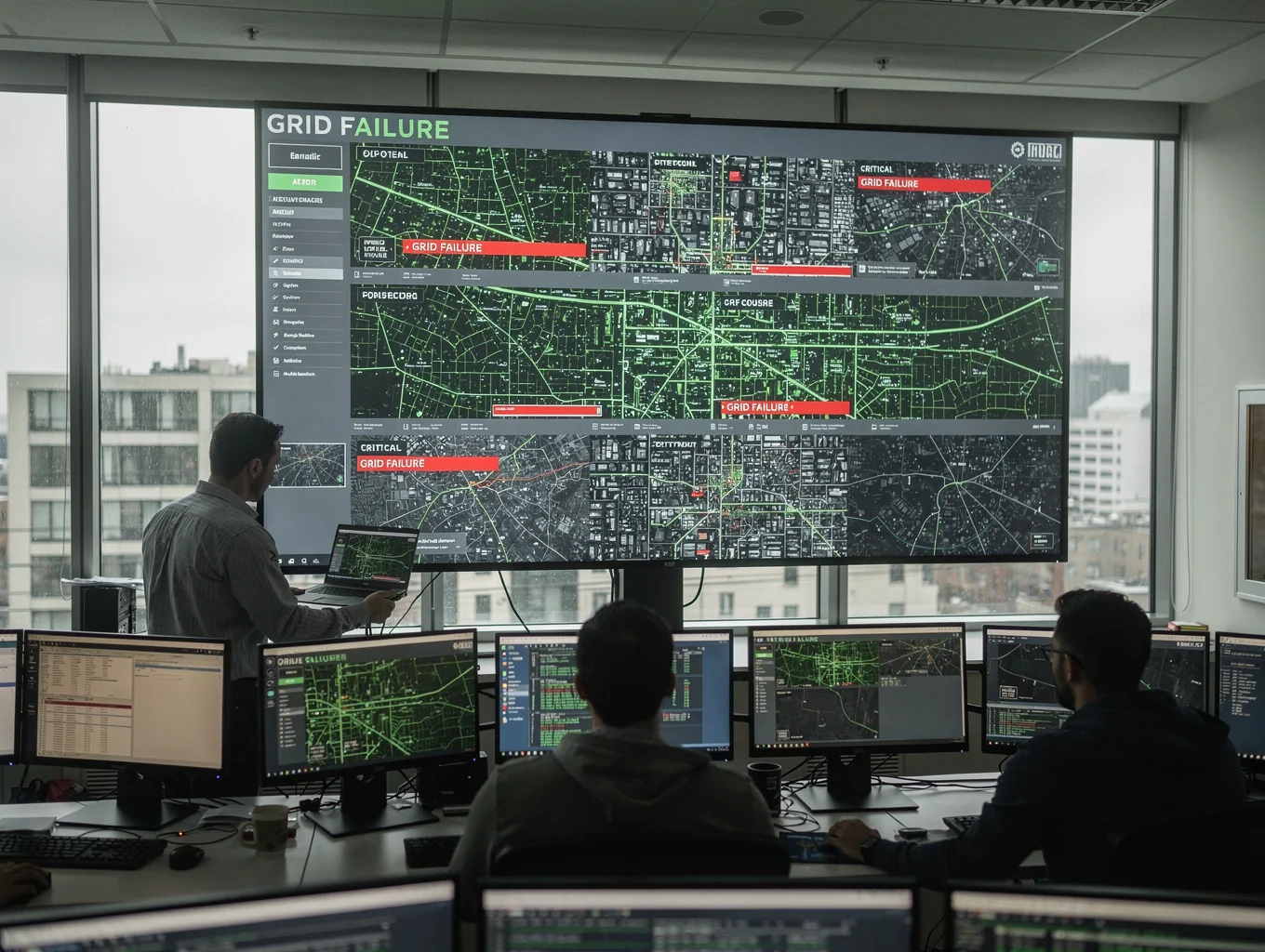
Electronic payment terminals, mobile wallet authentications, and automated teller networks cease operation within moments of a telecommunications or power breakdown. Local vendors and merchant depots that remain open can only accept physical cash transactions or direct peer exchanges. Without physical paper currency on hand, securing emergent necessities like food, medical supplies, or vehicle fuel becomes impossible.
A proper gray man posture dictates discreet domestic liquidity. Storing currency in mixed small-denomination bills eliminates the need for merchants to produce change, preventing unnecessary attention or confrontation in crowded checkout lines.
- 1Accumulate sixty days of essential operating expenses in crisp, small-denomination physical bills ($5, $10, and $20 notes).
- 2Distribute stored cash across multiple concealed locations within your primary residence rather than a single predictable safe.
- 3Print physical hard copies of vital identification, deeds, vehicle titles, insurance policies, and financial account numbers.
- 4Maintain redundant offline digital records on encrypted, air-gapped solid-state thumb drives.
Potable Water and Sanitation Redundancies
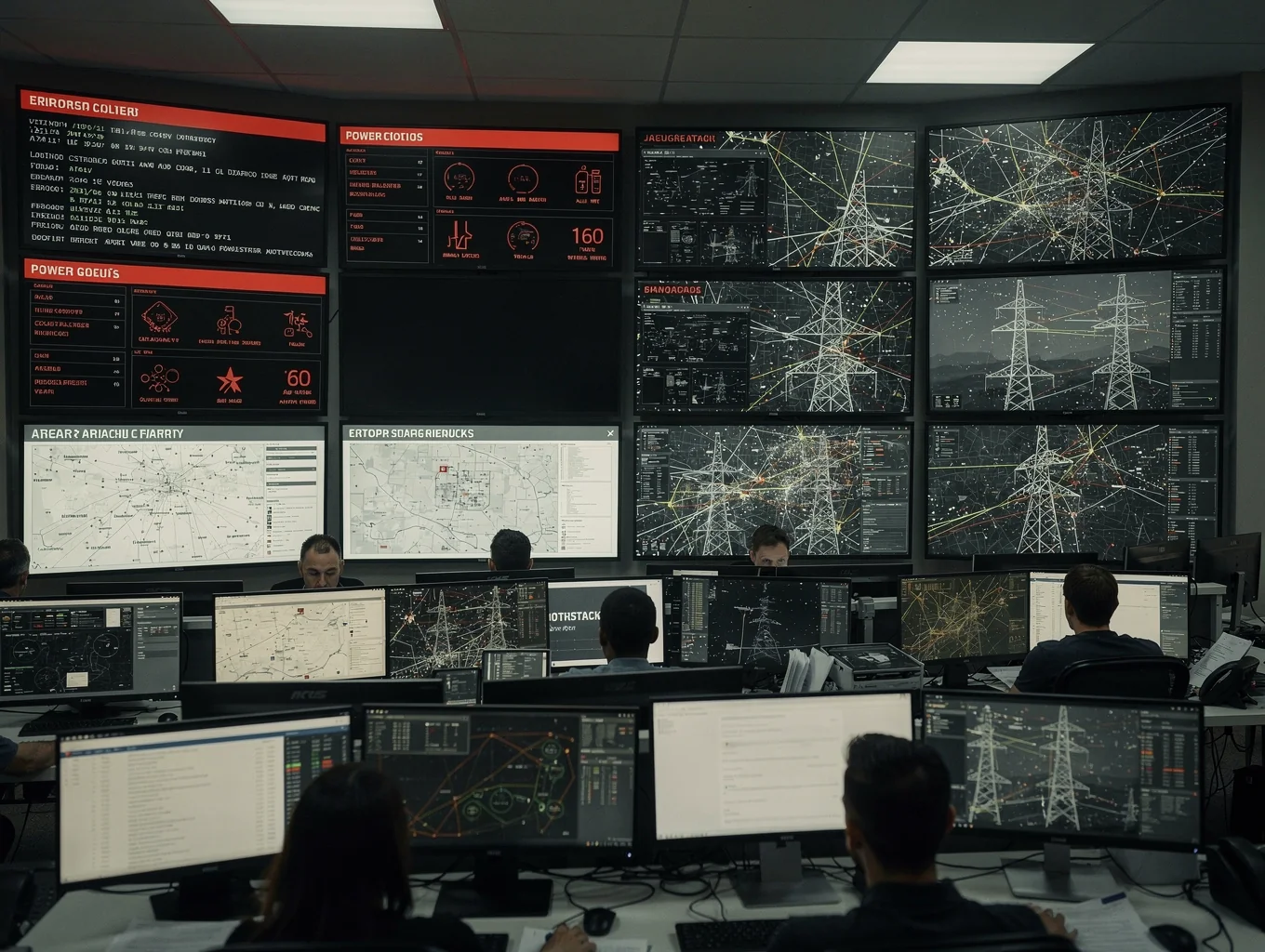
Municipal water systems rely on electric booster pumps, automated chemical dosing arrays, and networked telemetry to maintain clean line pressure. Within 24 to 48 hours of supervisory grid disruption, municipal line pressure drops, allowing contaminated backflow and sediment infiltration into municipal mains. Boiling tap water may not remediate industrial chemical imbalances introduced by automated control faults.
Do not rely on the assumption that tap water will run indefinitely during an infrastructure blackout. Independent water filtration and bulk sanitization must be deployed immediately inside the home before system reservoirs drain completely.
- 1Close your home's main water supply valve at the first sign of pressure failure to prevent back-siphonage of contaminated street water into interior pipes.
- 2Deploy gravity-fed ceramic or 0.1-micron hollow-fiber filtration systems for all water drawn for drinking and food preparation.
- 3Store a minimum of one gallon of potable water per person per day, targeting a thirty- to sixty-day residential supply.
- 4Set up a dry sanitation toilet system with heavy-duty liner bags and absorbent material to preserve hygiene without indoor plumbing.
Low-Profile Domestic Security and Information Discipline
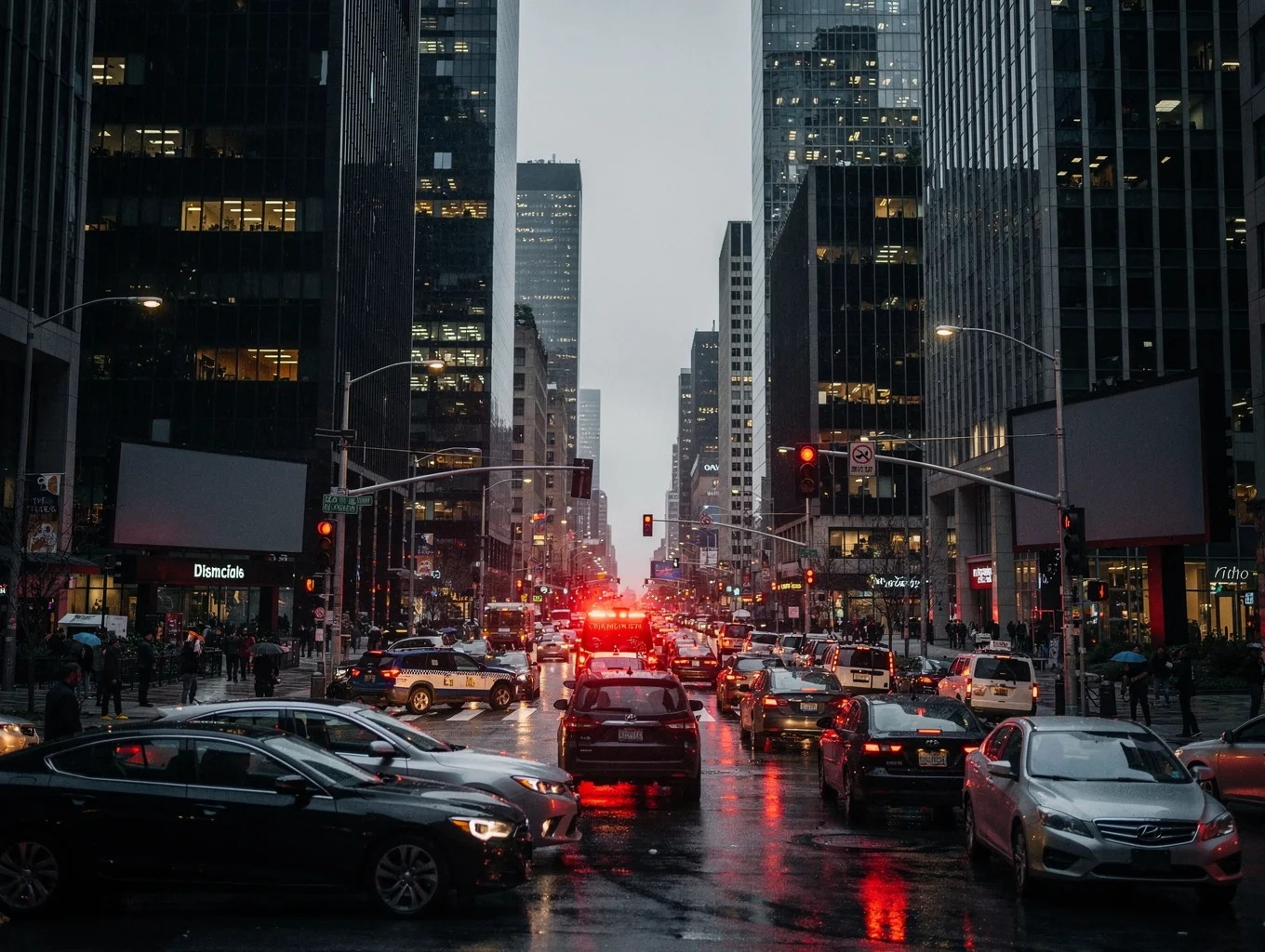
During prolonged utility blackouts, neighborhood activity shifts dramatically as ambient noise recedes and street lighting vanishes. Running loud, unshielded fuel generators or displaying bright interior lights announces your preparedness to passersby, creating an unnecessary target for opportunistic intrusion. Silence and visual discretion remain the foundation of the gray man philosophy.
Establish an analogue information protocol. While internet service providers and cellular towers exhaust backup battery reserves within 8 to 24 hours, emergency AM/FM broadcasts and local amateur radio repeaters will continue broadcasting official updates and logistics distribution points.
- 1Install blackout curtains or rigid foam insulation inserts across all street-facing windows to eliminate visible light leakage.
- 2Rely on low-lumen red LED headlamps or indirect task lighting rather than standard high-intensity lanterns.
- 3Monitor AM/FM emergency broadcasts, NOAA weather bands, and localized shortwave radio at scheduled intervals each day.
- 4Maintain routine neighborhood communication without disclosing internal supply levels, food stores, or technical assets.
Essential Grid-Failure Readiness Cache
- Sixty-day emergency cash reserve in small-denomination bills ($5, $10, $20)
- Gravity-fed countertop ceramic or 0.1-micron water filter system
- Thirty-day supply of sealed, shelf-stable foods requiring zero cooking power
- Hand-crank and solar-powered emergency AM/FM/NOAA weather radio
- LiFePO4 portable power station with compatible foldable solar panels
- Heavy-duty blackout window coverings and subdued red LED light sources
- Air-gapped external drive and printed physical binder of essential personal documents
More Guides in this Series
Standard operational protocol & readiness briefing.
Standard operational protocol & readiness briefing.
Standard operational protocol & readiness briefing.
Standard operational protocol & readiness briefing.
Standard operational protocol & readiness briefing.