
Climate Tipping Points
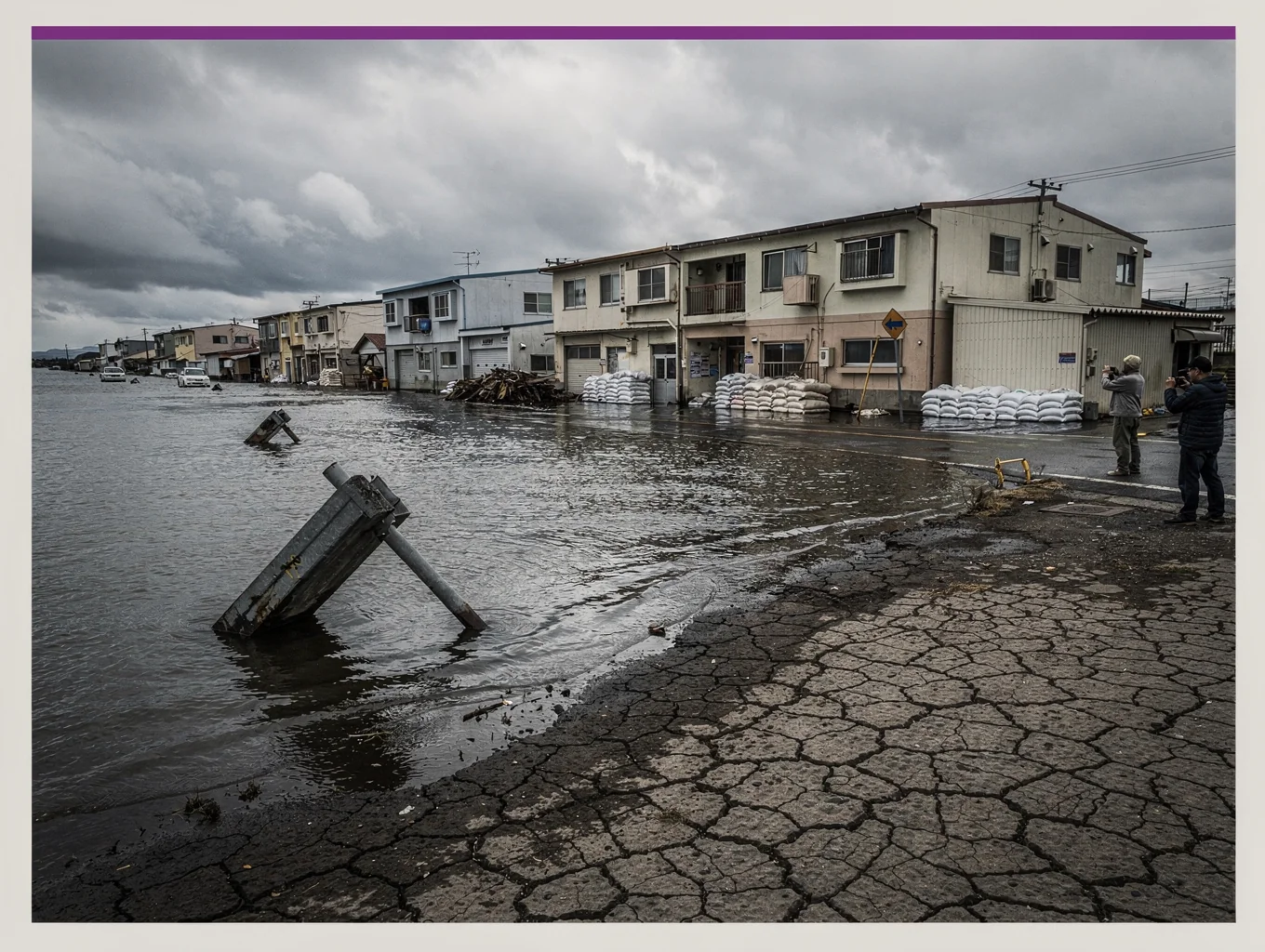
Gradual environmental shifts and abrupt ecological transitions threaten municipal water security, local agricultural stability, and regional power infrastructure. Surviving long-term ecological destabilization requires pre-scouted secondary fallback zones, resilient groundwater access, decentralized micro-utilities, and adaptable food reserves maintained without drawing outside attention.
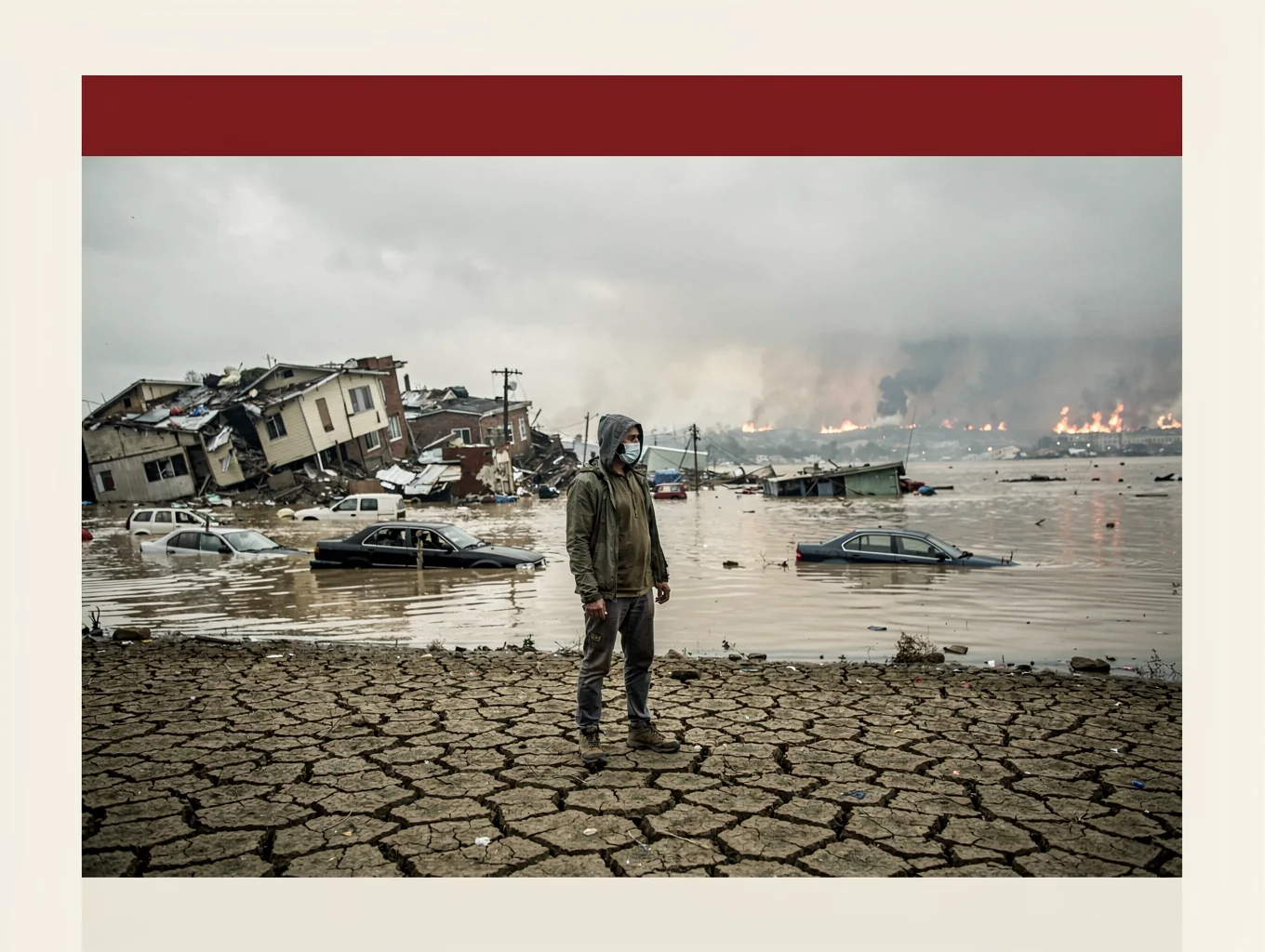
Critical Field Directives
- Identify geographic fallback zones buffered against severe hydrological stress, extreme heat domes, and chronic coastal degradation.
- Verify local groundwater table stability, seasonal recharge rates, and redundant non-electric extraction methods before settling.
- Deploy modular, low-signature off-grid electrical generation combining concealed photovoltaic panels with rugged battery storage.
- Establish drought-resilient food caches alongside regional seed stocks engineered for fluctuating moisture conditions.
- Maintain complete operational discretion around self-sufficient resources to avoid scrutiny during regional supply pressures.
Geographic Risk Assessment & Secondary Fallback Selection
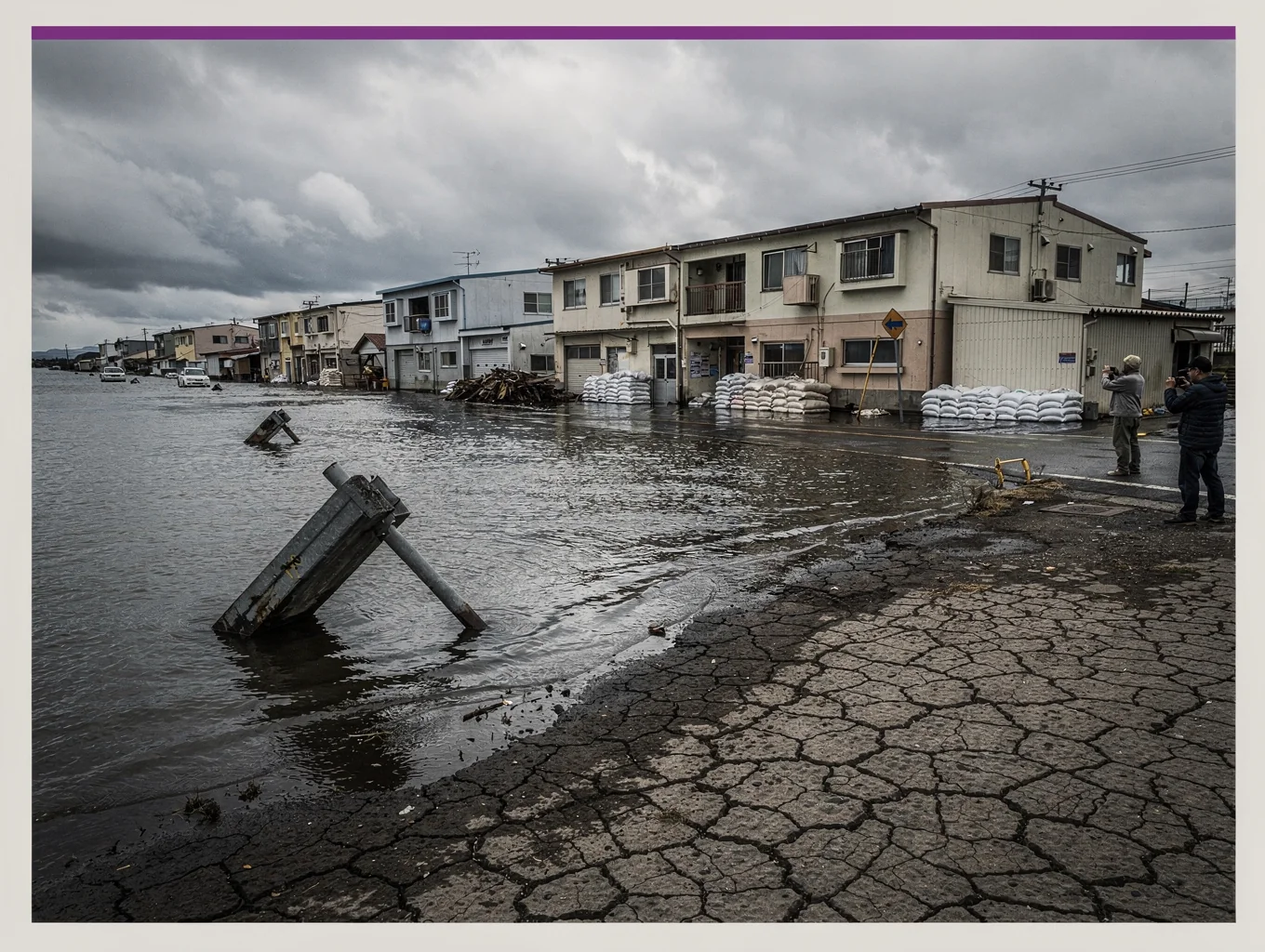
Climate tipping points develop as compounded, cascading stressors rather than isolated short-term emergencies. Rising baseline temperatures, shifting precipitation patterns, and soil degradation place steady pressure on centralized municipal services. Selecting an effective secondary fallback requires analyzing historical hydrology, elevation advantages, regional timber health, and long-term agricultural productivity.
A proper retreat location must balance defensive topography with logistical viability. Prioritize parcels that remain accessible via unpaved secondary routes, lie outside primary river floodplains, and sit far from urban population centers vulnerable to resource scarcity. Keeping a standard, unremarkable rural exterior preserves personal security while safeguarding operational preparations.
- 1Cross-reference multi-decade hydrological records to identify aquifers that demonstrate consistent recharge through dry intervals.
- 2Chart primary, secondary, and rural tertiary access corridors that bypass major logistical pinch points and bridges.
- 3Evaluate regional soil compositions and local drainage characteristics to verify suitability for non-mechanized cultivation.
- 4Survey surrounding forested zones for disease die-off, pest infestations, and unmanaged fuel buildup indicating wildfire risks.
Decentralized Groundwater & Water Harvesting Architecture
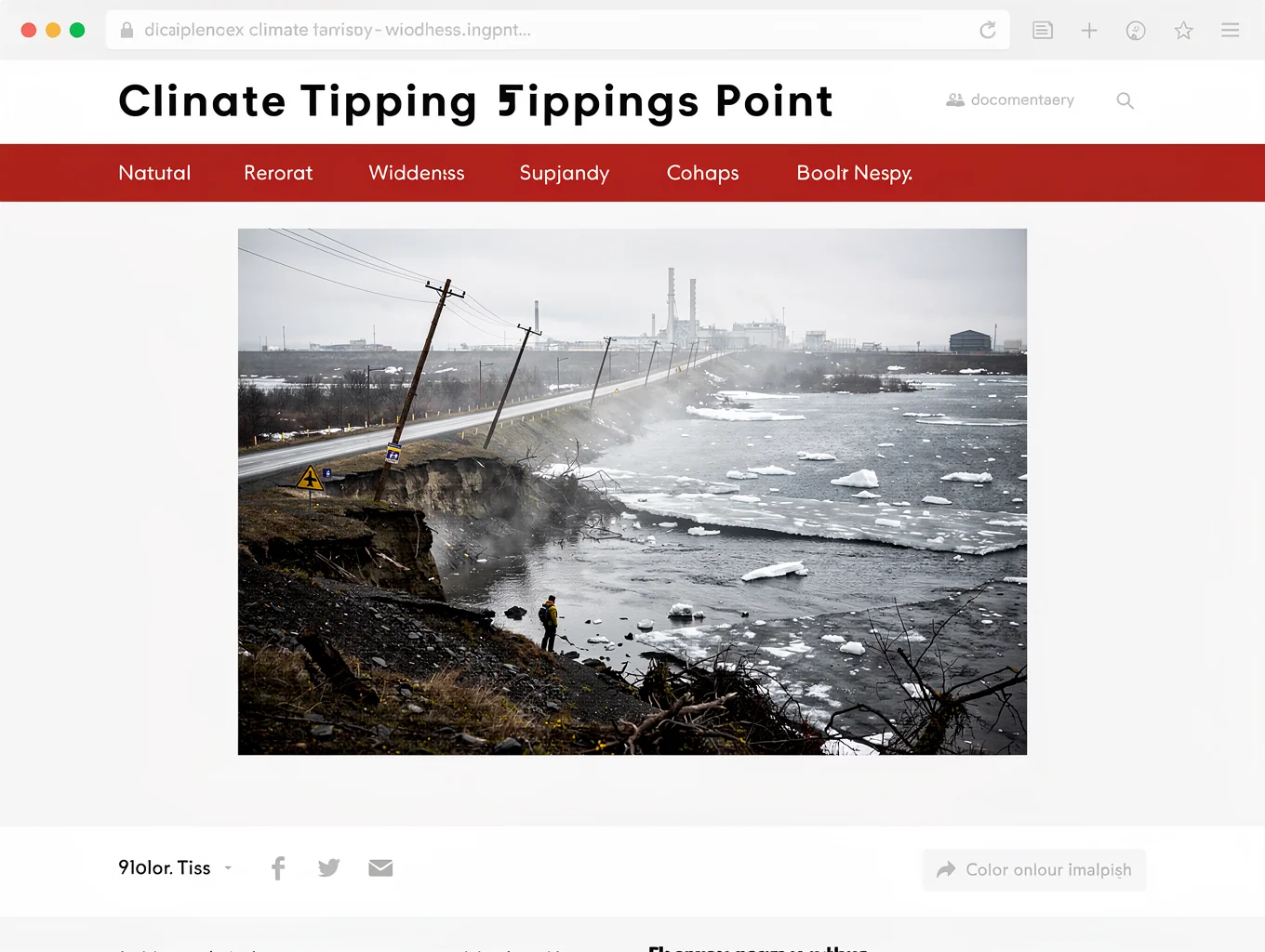
Centralized aqueducts, municipal treatment facilities, and shared reservoir networks remain primary points of failure as climate patterns fluctuate. A self-contained fallback site must possess multi-layered access to potable water that operates independent of commercial electrical infrastructure.
Deep aquifer wells equipped with manual hand pump heads, gravity-fed spring lines, and rainwater catchment arrays provide reliable security against prolonged droughts. In every setup, implement multi-tier mechanical sediment filtration paired with sub-micron bacterial purification to manage sediment-heavy runoff during sudden storm surges.
- 1Install a mechanical deep-well hand pump alongside any submersible pump to ensure continuous water extraction during blackouts.
- 2Construct shaded, UV-resistant rainwater harvesting tanks with integrated first-flush diversion to minimize particulate contamination.
- 3Establish gravity-fed pipeline runs from natural surface springs or elevated storage tanks to eliminate ongoing pumping needs.
- 4Stock replacement microfiltration cartridges, activated charcoal canisters, and food-grade disinfectant agents for high-volume purification.
Resilient Micro-Power & Temperature Moderation
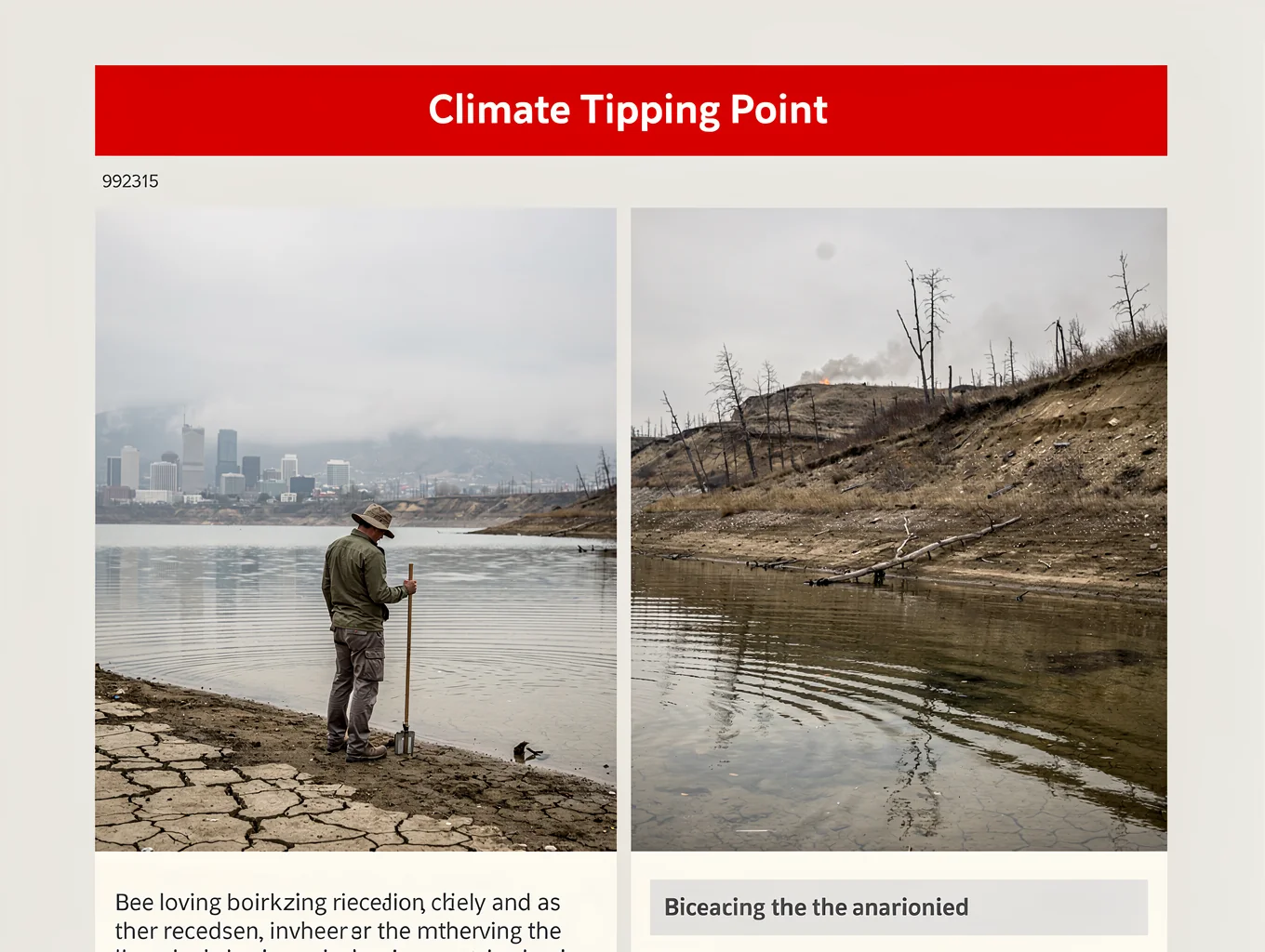
Extended heat waves and polar vortex disruptions place immense strain on regional energy grids, frequently precipitating rolling blackouts or total station shutdowns. Off-grid survival requires modular, decentralized power systems that do not rely on constant fuel deliveries.
Low-visibility solar arrays paired with lithium iron phosphate (LiFePO4) battery banks supply quiet, continuous power for refrigeration, ventilation, and vital radios. Combine renewable generation with earth-sheltered storage and passive solar architecture to moderate indoor living temperatures naturally throughout seasonal swings.
- 1Position solar panels flush against natural rooflines or terrain contours to minimize visual glare and overhead visibility.
- 2Protect sensitive charge controllers, inverters, and battery banks within insulated, temperature-controlled utility lockers.
- 3Incorporate earth berms, heavy insulation, and exterior window shading to stabilize indoor thermal conditions passively.
- 4Stage a compact dual-fuel backup generator along with stabilized propane reserves for critical auxiliary recharging during overcast periods.
Drought-Resistant Food Reserves & Adaptable Cultivation
Prolonged climate transitions disrupt commodity supply lines and inflate commercial food costs, turning conventional grocery distribution into a vulnerability. True preparedness demands a layered system combining extended-shelf-life dry staples with resilient localized food production.
Store bulk legumes, whole grains, and sealed heirloom seed varieties adapted to fluctuating regional climates. Emphasize low-water gardening methods such as subterranean wicking beds, drip irrigation, and heavy organic mulching to maximize output while maintaining a low visual footprint that blends naturally with surrounding brush.
- 1Seal calorie-dense staples in food-grade buckets with oxygen absorbers and desiccant packs to guarantee multi-year shelf stability.
- 2Acquire non-hybrid heirloom seeds suited for high thermal resilience, short growing cycles, and low moisture demands.
- 3Construct subterranean drip irrigation systems fed by gravity reservoirs to minimize evaporative water loss and surface detection.
- 4Plant native edible perennials, root crops, and fruit-bearing shrubs that blend seamlessly into surrounding wild vegetation.
Climate Resilience & Fallback Readiness Checklist
- Heavy-duty manual deep-well piston pump compatible with existing well casings
- Food-grade water storage tanks (minimum 500-gallon capacity) with UV-stabilized exterior
- 0.1-micron hollow-fiber gravity water filtration system with spare filter media
- Modular off-grid solar generator with portable panels and LiFePO4 battery pack
- Hermetically sealed heirloom seed vault with drought-resistant and early-maturing varieties
- Soil moisture testing probes and low-pressure gravity drip irrigation hardware
- Multi-fuel emergency cookstove with adaptable regulators and stabilized fuel storage
More Guides in this Series
Standard operational protocol & readiness briefing.
Standard operational protocol & readiness briefing.
Standard operational protocol & readiness briefing.
Standard operational protocol & readiness briefing.
Standard operational protocol & readiness briefing.
Standard operational protocol & readiness briefing.
Standard operational protocol & readiness briefing.