
Pandemics
Pre-position critical prescription medications, fitted particulate respirators, and shelf-stable nutrition to withstand extended disruption cycles. Implement compartmentalized home quarantine zones and strict sanitation protocols while maintaining a discreet, self-contained presence during widespread public contagion and supply shortages.
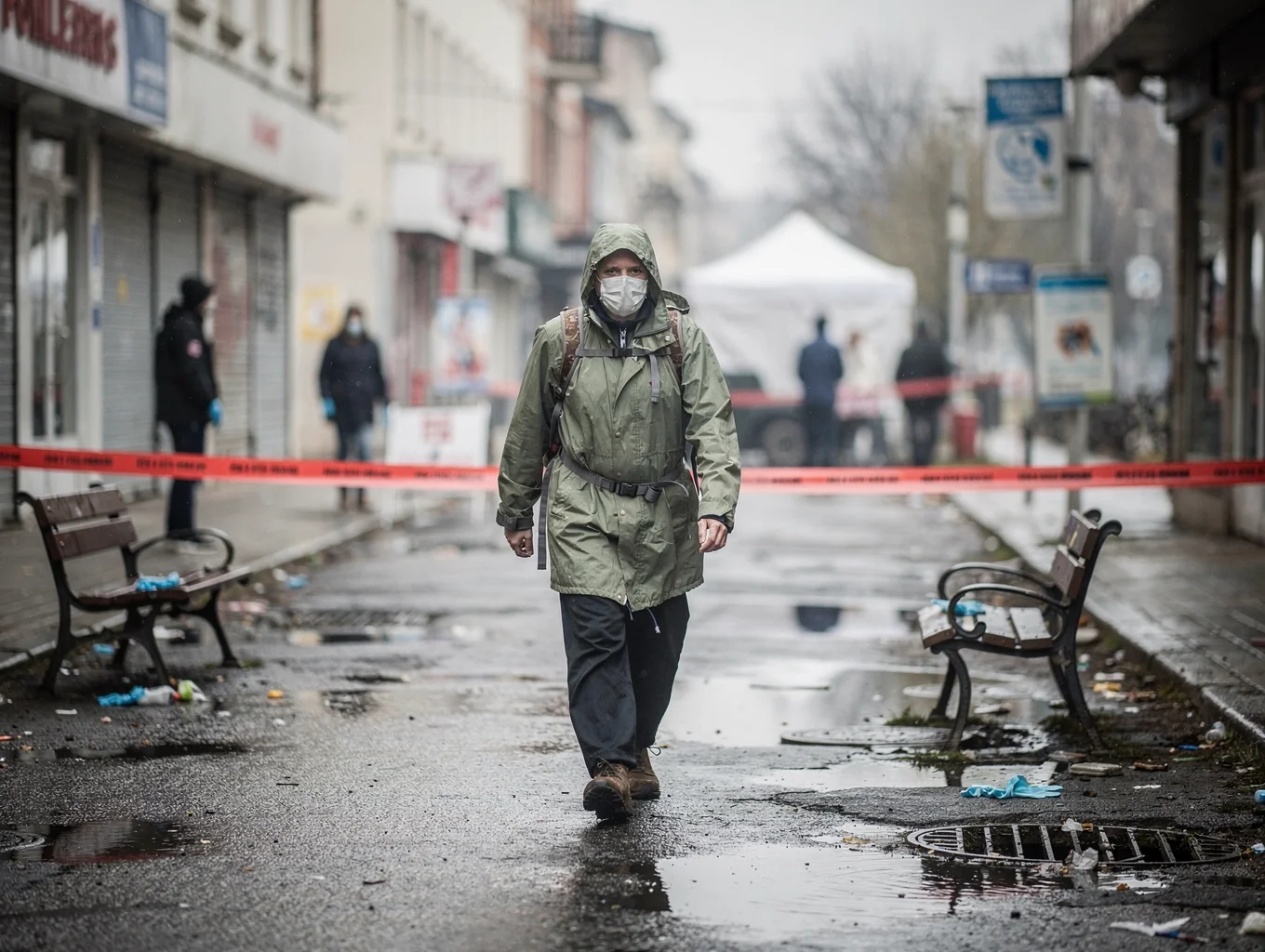
Critical Field Directives
- Pre-position a multi-month stockpile of critical prescriptions, hygiene supplies, and non-perishable rations before regional supply chains fracture.
- Establish strict air and surface barrier protocols using NIOSH-rated N95 or P100 respirators, eye protection, and clinical-grade hand hygiene.
- Designate a sealed, single-entry isolation quadrant within the home equipped with independent sanitation and waste management gear.
- Maintain a low gray-man profile; avoid panic buying, conspicuous staging, and crowded public distribution centers.
- Rely on established public health authorities and medical professionals for clinical diagnoses, treatments, and immunization guidance.
Pharmaceutical Staging & Sustained Health Reserves

A protracted epidemic or pandemic immediately stresses regional supply distribution, leading to rapid pharmacy stockouts and prolonged clinic delays. Proactive preparedness focuses on securing a 60- to 90-day buffer of life-sustaining maintenance prescriptions well in advance through coordinated physician consultations and regular rotation schedules.
Complement essential maintenance medications with foundational over-the-counter supportive relief supplies: oral rehydration salts, fever reducers, decongestants, antidiarrheal compounds, and specialized wound care. Store all pharmaceuticals in cool, dark, airtight containers with active desiccant packs to maximize chemical shelf life, and systematically cycle stock so expiring lots are consumed first.
- 1Audit family medical profiles and maintain documented lists of generic drug names, baseline dosages, and known contraindications.
- 2Coordinate with healthcare providers to secure 90-day maintenance refills prior to seasonal peaks or emerging outbreaks.
- 3Stock auxiliary supportive health supplies including oral rehydration electrolytes, broad-spectrum antiseptic washes, and pulse oximeters.
- 4Store all medications in indexed, watertight containers shielded from ambient heat, moisture, and ultraviolet exposure.
Personal Protective Equipment & Infection Barriers
Biological contamination demands uncompromising barrier discipline. Fit-tested particulate respirators—such as NIOSH-approved N95, N99, or elastomeric half-face masks with P100 filters—provide the front-line physical barrier against aerosolized and droplet-borne pathogens when external interaction is unavoidable.
Pair respiratory defense with wrapped-frame protective eyewear, fluid-resistant nitrile gloves, and washable outer clothing layers. Establish strict donning and doffing workflows at entry points so contaminated garments and gear never cross into primary living quarters.
- 1Acquire and fit-test genuine NIOSH-rated particulate respirators, ensuring tight facial seals without air leakage around the nose or jaw.
- 2Procure multiple boxes of heavy-gauge nitrile gloves and sealed protective eye shields or ballistic glasses with side protection.
- 3Stage an exterior transition vestibule or garage staging bench for stripping off soiled outerwear before stepping indoors.
- 4Sanitize hands thoroughly using soap and warm water for at least twenty seconds, or use 70%+ isopropyl alcohol gel when water is scarce.
Home Isolation Zoning & Bio-Containment Controls
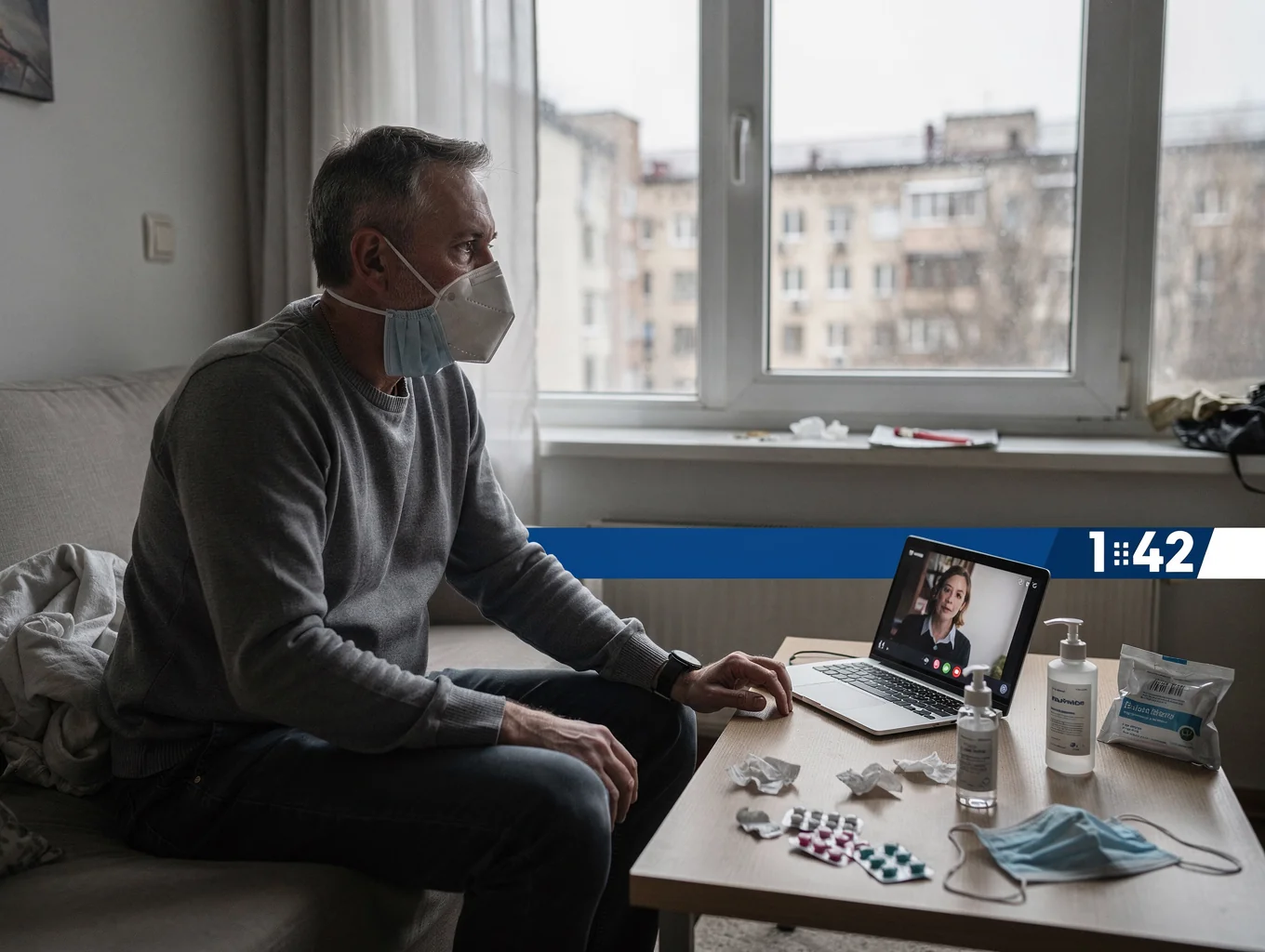
When an individual in the household exhibits symptoms or returns from an unavoidable high-risk exposure, immediate physical compartmentalization is required. Convert a separate perimeter room—ideally one with an en-suite bathroom and operable window—into a dedicated quarantine zone to sever transmission chains.
Control airflow dynamics by sealing internal HVAC return vents inside the sickroom and deploying an exhaust fan blowing outward through the exterior window to generate negative pressure. Route all food, clean linens, and medication through a designated hand-off staging area outside the closed door.
- 1Select an isolation room that minimizes foot traffic and features dedicated or easily isolated bathroom facilities.
- 2Seal shared forced-air ducts and heating grilles with heavy polyethylene sheeting and painter's tape.
- 3Set up a negative-pressure exhaust fan in the quarantine window to expel interior air directly to the outside.
- 4Place dedicated heavy-duty biohazard waste bins lined with thick trash bags inside the isolation room for safe disposal.
Discreet Procurement & Low-Profile Community Discipline
Widespread medical emergencies ignite panic behavior, volatile retail environments, and eventual localized curfews or civil disruption. Adopting the gray-man doctrine ensures your household operates without attracting attention from opportunistic actors or desperate crowds searching for scarce supplies.
Avoid conspicuous bulk acquisitions once an outbreak gains public notice. Rely instead on pre-existing pantry reserves, conduct any essential supply runs during non-peak early-morning hours, and dress in plain, muted utilitarian clothing without tactical or medical branding. Defer to official regional public health guidance and lawful civil advisories to safeguard collective welfare.
- 1Transition domestic consumption to pre-staged dry and canned pantry reserves to eliminate routine grocery store visits.
- 2Execute unavoidable supply or utility runs during low-density hours, keeping trips brief and routes varied.
- 3Wear unobtrusive, ordinary everyday attire while avoiding tactical emblems, conspicuous hoarding bags, or alarmist displays.
- 4Monitor verified emergency broadcasts and municipal health notices while filtering out unverified rumors and panic.
Essential Pandemic Readiness Staging
- Fit-tested NIOSH N95 or P100 particulate respirators (minimum 30 per person)
- 60- to 90-day reserve of essential daily prescription medications
- Heavy-duty nitrile examination gloves (multiple sizes, puncture resistant)
- Digital pulse oximeters, touchless infrared thermometers, and blood pressure monitors
- Hospital-grade surface disinfectant sprays, wipes, and 70%+ isopropyl alcohol reserves
- Polyethylene plastic sheeting (4-6 mil) and heavy duct tape for room isolation
- Oral rehydration salts, fever reducers, electrolytes, and comprehensive supportive first aid
More Guides in this Series
Standard operational protocol & readiness briefing.
Standard operational protocol & readiness briefing.
Standard operational protocol & readiness briefing.
Standard operational protocol & readiness briefing.
Standard operational protocol & readiness briefing.
Standard operational protocol & readiness briefing.
Standard operational protocol & readiness briefing.