
Floods
Flash flooding and sustained inundation present rapid, destructive threats to property and physical mobility. Executing perimeter drainage checks, pre-elevating critical utilities and assets, and enforcing strict water decontamination standards safeguard personal safety while keeping a low operational profile.
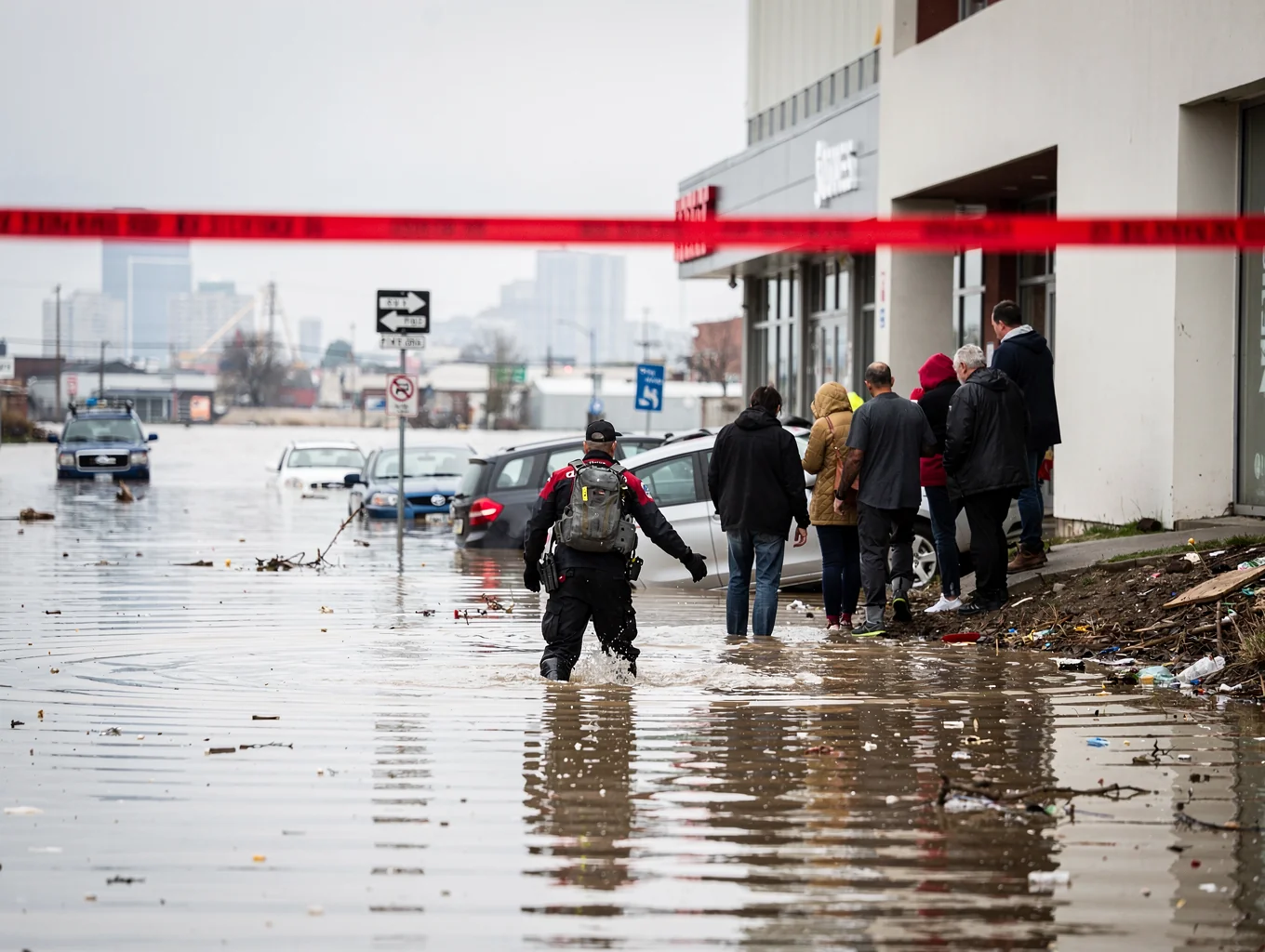
Critical Field Directives
- Assess perimeter runoff and local watercourses early; flash floodwaters move rapidly with little warning.
- Raise sensitive electrical controls, heating systems, and vital supplies well above anticipated flood lines.
- Store all personal identification, property deeds, and medical records in submersible waterproof containers.
- Never traverse moving floodwaters on foot or by vehicle; six inches of fast water can sweep an adult away.
- Treat all post-flood municipal and standing water as biologically and chemically contaminated until sterilized.
Site Drainage & Pre-Inundation Fortification
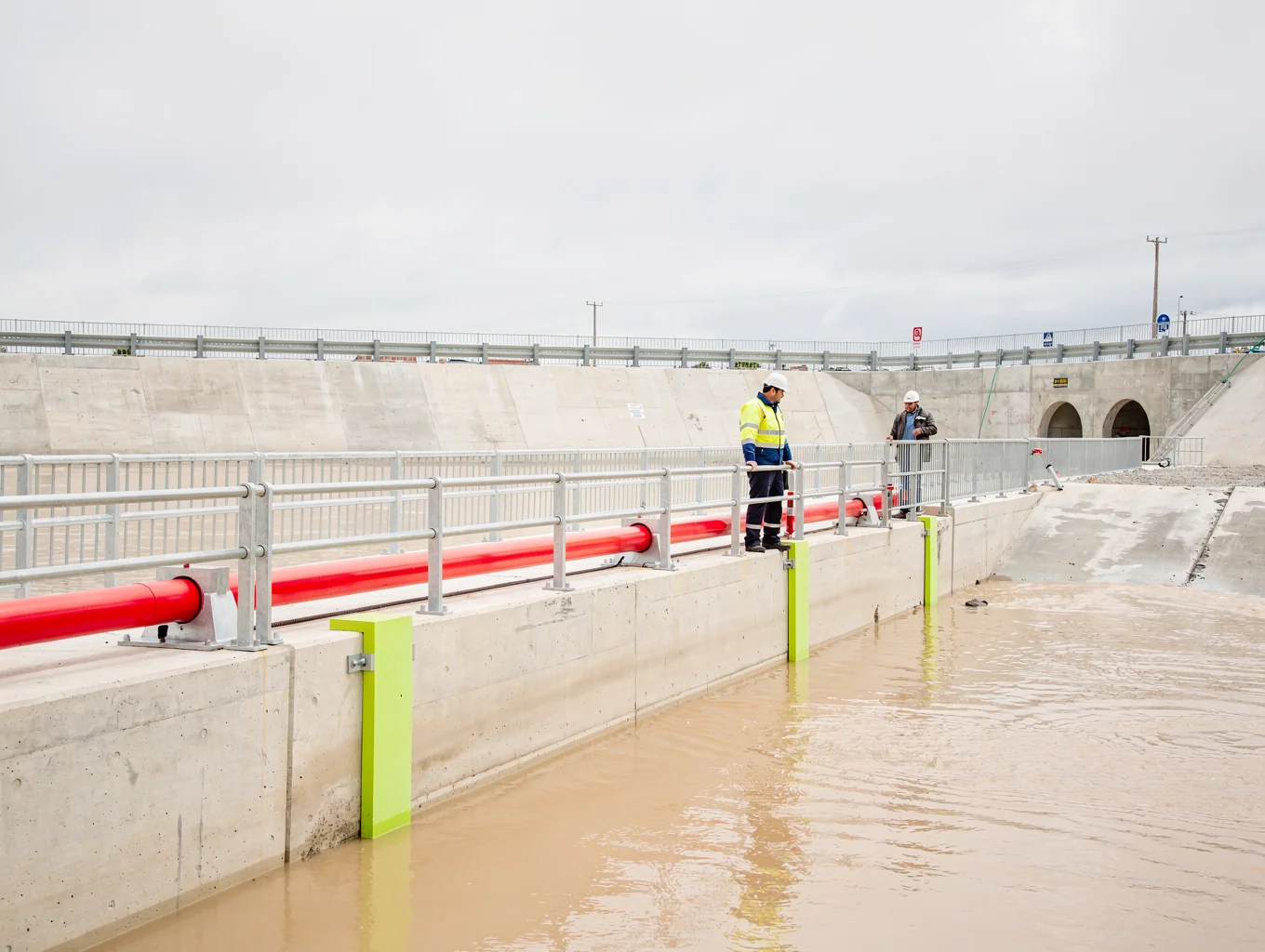
Effective flood defense begins long before seasonal rain or severe weather fronts materialize. Inspect gutter systems, downspout extensions, foundation sump wells, and municipal storm grates around the perimeter. Ensuring uninterrupted discharge away from structural footings reduces internal seepage and foundation pressure.
When regional hydrologic alerts indicate imminent storm surges or river crests, transition from routine clearance to active fortification. Pre-deploy sandbags or inflatable water barriers along vulnerable entry points, and install backflow prevention check valves on internal sewer lines to prevent contaminated wastewater backwash.
- 1Clear external gutters, downspouts, and perimeter French drains of sediment and plant debris.
- 2Test sump pumps and verify emergency 12V battery backup operation before local grid interruptions.
- 3Install non-return check valves on basement floor drains, sinks, and exterior sewer connections.
- 4Stage sandbag berms or synthetic flood barriers across exterior doorways and low-clearance basement windows.
Critical Utility & Asset Elevation Protocols
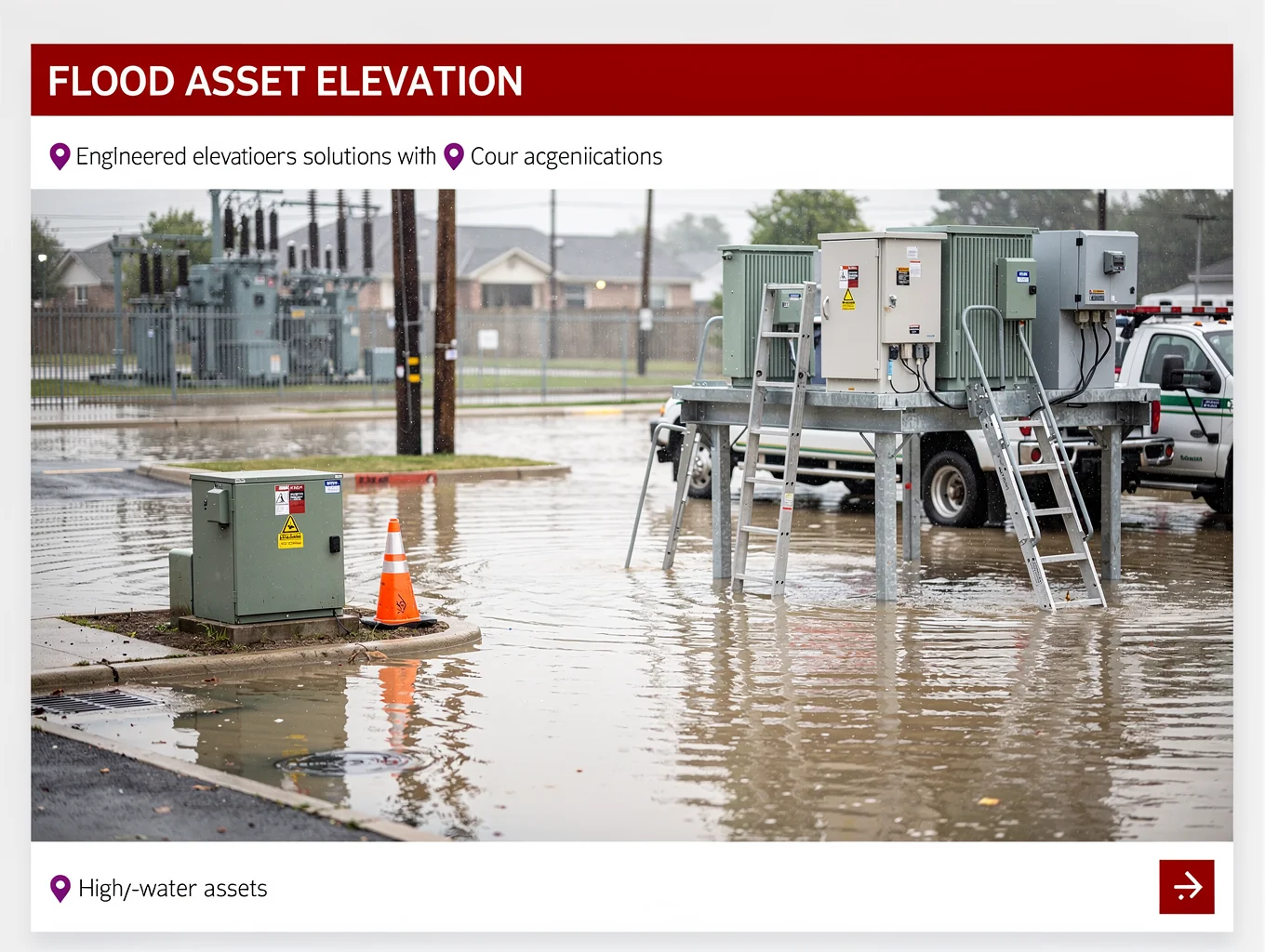
Rising interior floodwaters quickly neutralize baseline survival infrastructure, triggering catastrophic short circuits, fires, or structural poisoning. Identify all breaker panels, water heaters, HVAC compressors, and domestic gas valves to establish a staged elevation or disconnection schedule.
Systematically move high-value survival stores, dry foods, communication rigs, and warm bedding to upper floor levels or heavy-duty ceiling-hung staging platforms. Secure hazardous household items, fuels, and lawn chemicals in sealed, buoyant-resistant lockers so they do not contaminate rising interior water.
- 1Isolate main electrical breakers and secondary sub-panels prior to water breaching subterranean levels.
- 2Shut off the municipal gas meter and secure external propane cylinders with non-corrosive tie-downs.
- 3Transfer non-perishable food caches, sleeping gear, and communications gear to the second level or attic access.
- 4Relocate automotive assets to pre-scouted high-elevation parking structures outside flood-prone valleys.
Document Protection & Evacuation Logistics
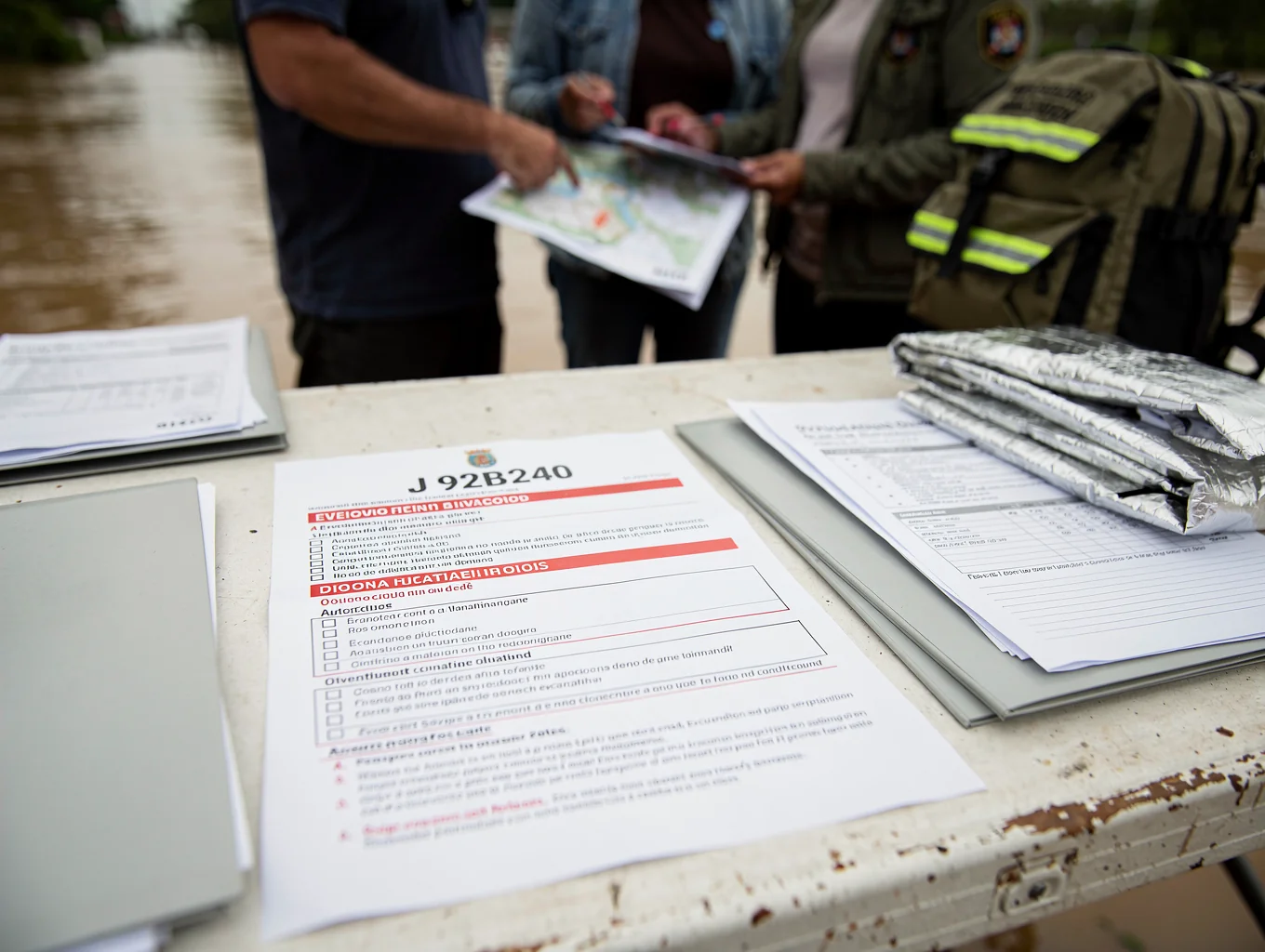
Flood situations often force immediate evacuation when structural integrity or water levels become unsustainable. Vital physical records—passports, birth certificates, property titles, insurance policies, and prescription registers—must be kept packed in IP68-rated submersible cases, backed by encrypted offline digital drives.
Map primary and secondary egress paths prioritizing ridges, viaducts, and high-ground thoroughfares. Avoid underpasses, sunken expressways, and low-water crossings where swift currents silently undercut pavement. In gray-man fashion, move discreetly without broadcasting valuable packed goods.
- 1Seal physical documents and currency inside submersible, impact-resistant dry cases with desiccant packs.
- 2Store encrypted digital scans on high-grade, waterproof flash memory worn on your person.
- 3Map out two overland evacuation routes that avoid low-lying drainage basins, culverts, and coastal roads.
- 4Stage a compact 72-hour bug-out pack equipped with dry thermal clothing, signals, and personal flotation gear.
Post-Event Decontamination & Potable Water Sourcing
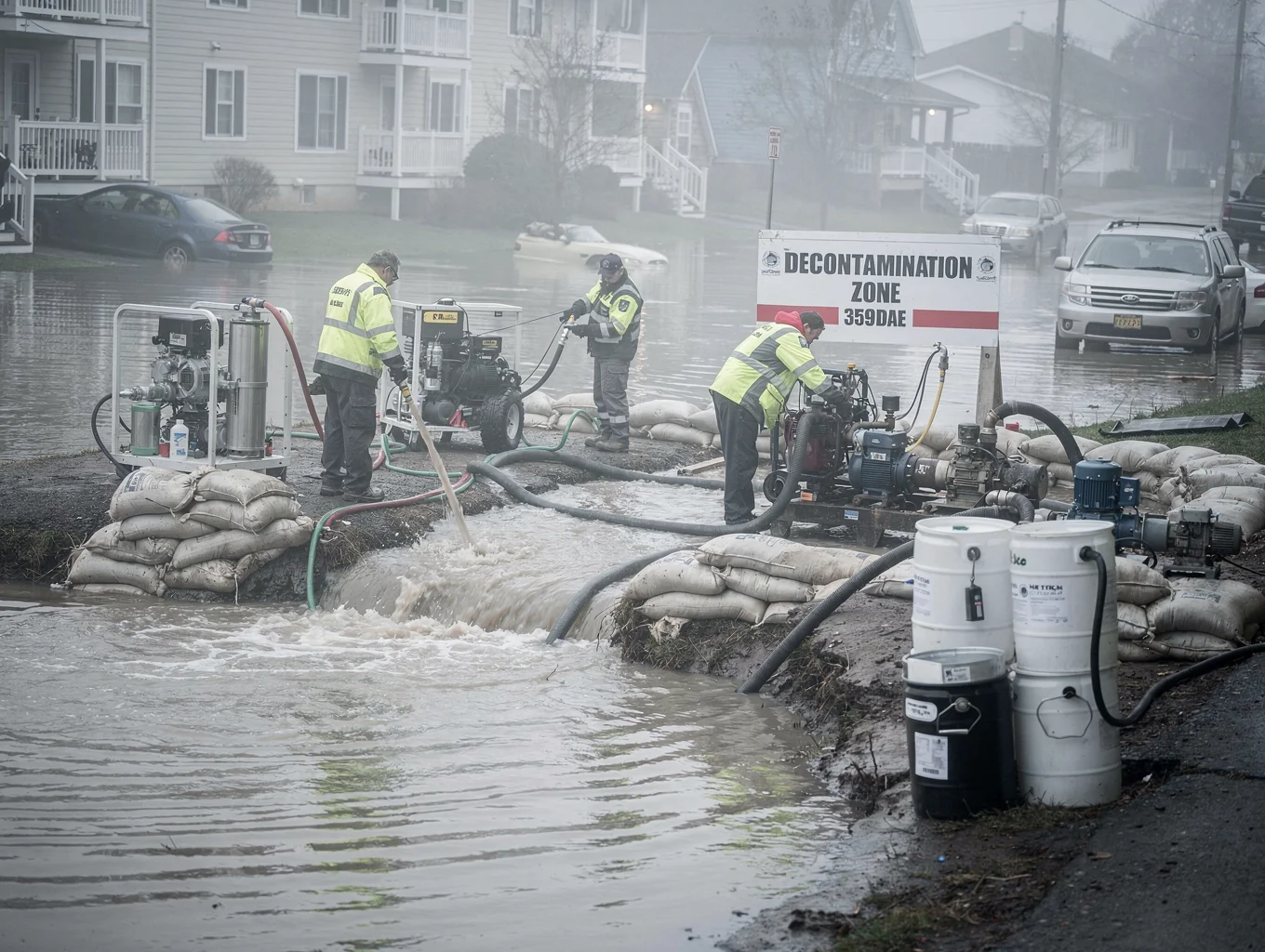
Receding waters leave behind hazardous sludge composed of raw sewage, industrial solvents, fuel run-off, and heavy bacteria. Never assume municipal tap lines, shallow well systems, or local surface bodies are safe for cooking, hygiene, or hydration without rigorous chemical and physical purification.
Maintain absolute physical barriers between yourself and residual flood sediment. Clean and sanitize all salvaged hard surfaces using dilute hypochlorite solutions, discard porous materials penetrated by flood slurry, and enforce multi-stage microfiltration paired with active boiling for all harvested water.
- 1Inspect living quarters for structural shifts, foundation erosion, gas leaks, and hidden electrical shorts before entry.
- 2Wear nitrile-lined work gloves, rubberized boots, and particulate respirators when clearing contaminated mud.
- 3Filter all raw water through a 0.1-micron hollow-fiber membrane followed by a rolling boil for at least one full minute.
- 4Quarantine and discard any food packages, pharmaceuticals, or porous bedding contacted by ambient flood water.
Essential Flood Readiness Staging
- Submersible, O-ring sealed waterproof document cases (IP68 rated)
- High-output portable 12V submersible sump pump with spare battery pack
- 0.1-micron hollow-fiber water filter with secondary activated carbon stage
- Heavy-duty sandbags or quick-deploy polymer flood barrier tubes
- Chest waders, heavy rubber boots, and chemical-resistant nitrile work gloves
- Multi-band NOAA weather alert radio with hand-crank and solar backup
- Compact manual shutoff wrench tethered directly to the main gas meter
More Guides in this Series
Standard operational protocol & readiness briefing.
Standard operational protocol & readiness briefing.
Standard operational protocol & readiness briefing.
Standard operational protocol & readiness briefing.
Standard operational protocol & readiness briefing.
Standard operational protocol & readiness briefing.
Standard operational protocol & readiness briefing.