
Supervolcanoes
A supervolcanic eruption triggers massive regional disruption and global atmospheric fallout, spreading abrasive ash over thousands of square miles and blocking solar radiation. Surviving prolonged volcanic winter and corrosive ash requires aggressive indoor environmental sealing, strict multi-stage respiratory discipline, and self-sufficient long-term thermal and nutritional stores.
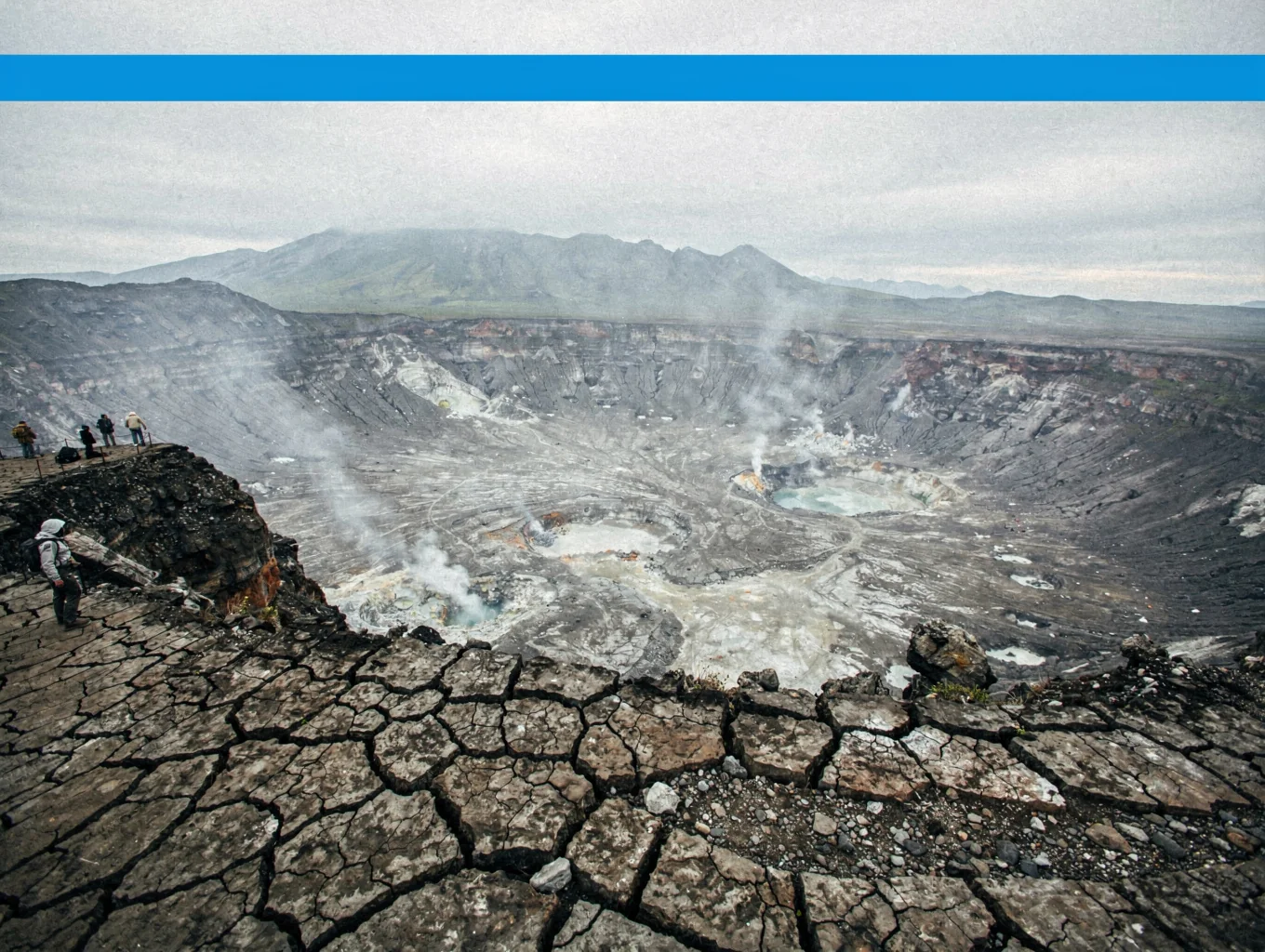
Critical Field Directives
- Seal living quarters immediately with 6-mil plastic sheeting and heavy adhesive to exclude microscopic volcanic glass particles.
- Mandate N95 or P100 particulate filtration and sealed eye protection before attempting any exterior operations.
- Proactively sweep structural roofs to avoid sudden collapse under dense, moisture-saturated ash accumulation.
- Isolate municipal and rainwater harvesting systems; store airtight potable water supplies before regional water sources are contaminated.
- Prepare for multi-month temperature drops and extended agricultural failures with off-grid indoor heating and dense caloric caches.
Perimeter Sealing & Structural Ashload Mitigation
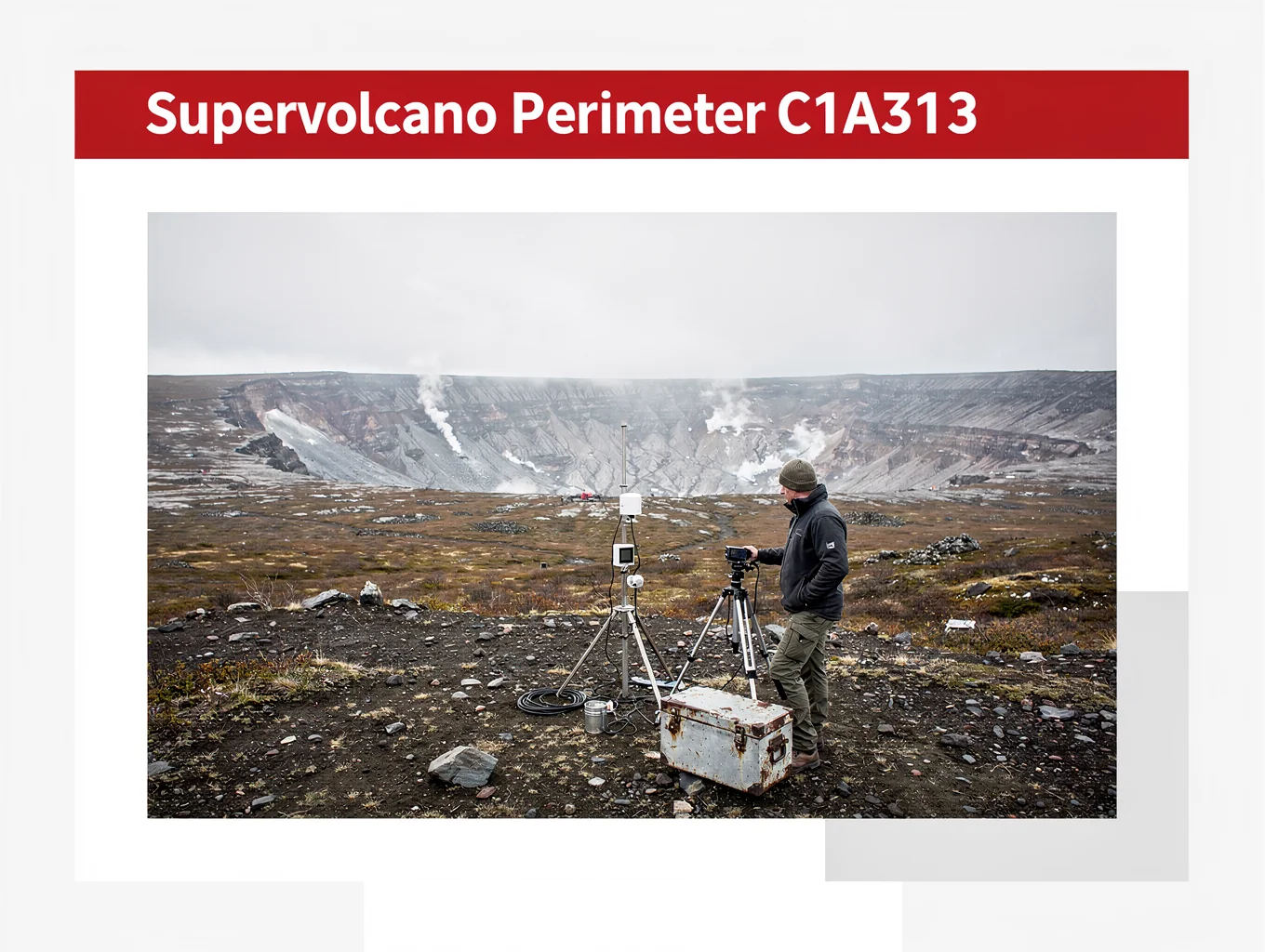
Volcanic ash is not soft plant debris; it consists of crushed rock, minerals, and sharp volcanic glass shards that chew through air filters, scorch electronic motors, and destroy mechanical bearings. Sealing your shelter's envelope is the first line of defense. Shut down all external air exchangers, tape HVAC returns, and create a positive-pressure or two-door airlock chamber at your primary access portal.
As ash accumulates, roof loading becomes an immediate structural threat. Dry ash weighs roughly 10 to 20 pounds per cubic foot, but rainfall converts it into a concrete-like slurry exceeding 60 pounds per cubic foot. Establish safe roof clearing routines using non-sparking push brooms and safety harnesses, ensuring workers do not compromise roof surfaces or inhale stirred particulates.
- 1Shut down all centralized ventilation, exhaust hoods, and exterior air-intake dampers.
- 2Apply heavy-duty painter's tape or duct tape around all window seams, doors, and plumbing pipe penetrations.
- 3Hang double polyethylene sheet barriers at primary entranceways to trap incoming dust in a transition zone.
- 4Monitor roof lines continuously and sweep accumulated ash before deposits exceed three inches in depth.
Respiratory Discipline & Interior Air Filtration
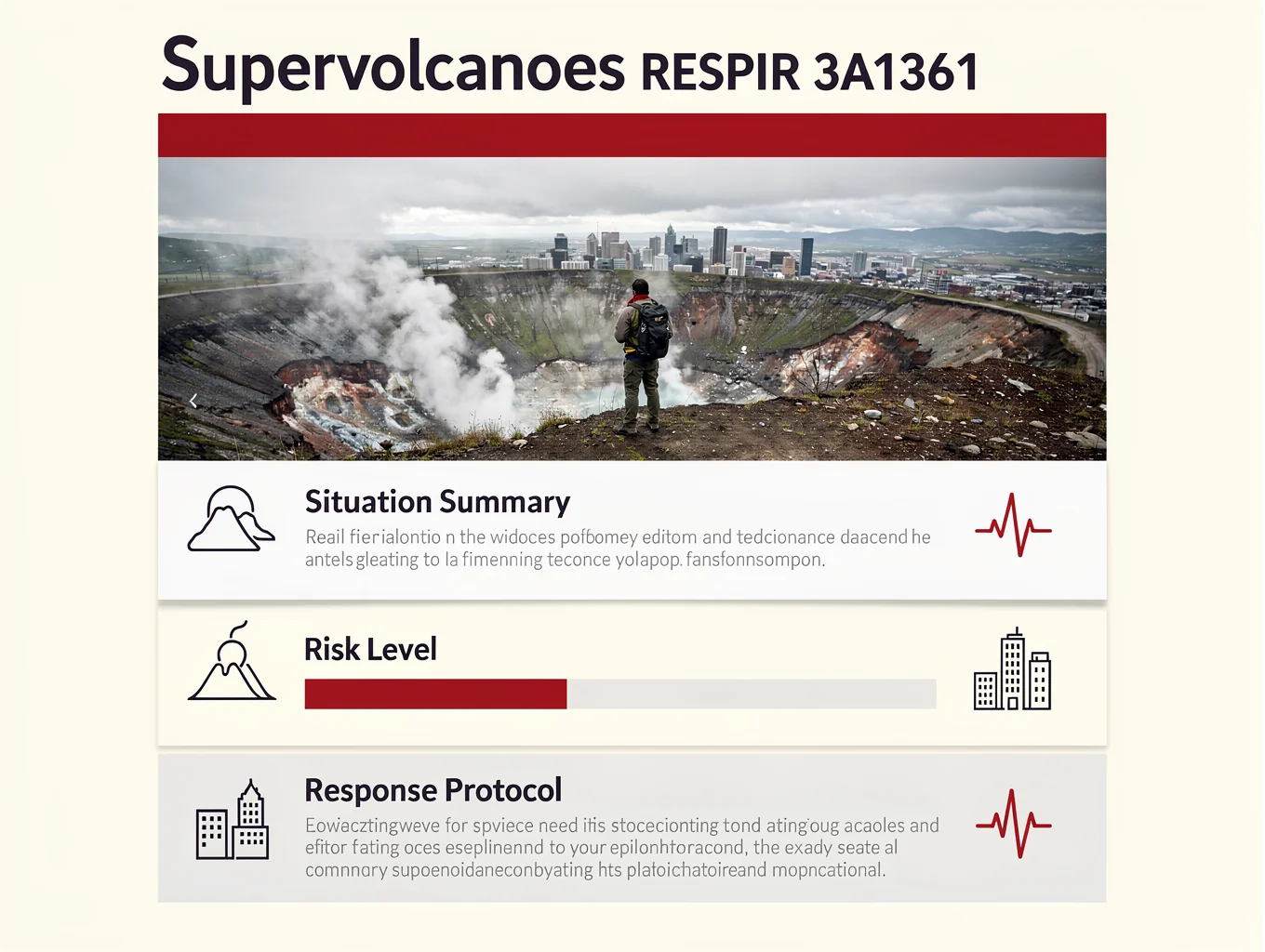
Inhaling volcanic ash introduces sub-micron silica shards into lung tissue, causing severe chemical pneumonitis, persistent bronchospasm, and permanent pulmonary damage. Never cross outside your sealed envelope without full-face respiratory protection or snug P100 elastomeric half-face respirators paired with unvented safety goggles.
Inside the shelter, running ambient air cleaners equipped with true HEPA filters keeps settling particulate counts down. Improvise backup box fan filters using MERV 13 furnace panels sealed around their perimeter. Clean indoor surfaces only with damp micro-fiber cloths or water mists to trap dust rather than redistributing abrasive particles into breathing air.
- 1Fit-test all household occupants with certified N95 or P100 elastomeric respirators and sealed eye goggles.
- 2Deploy standalone True HEPA indoor filtration units in dedicated sleeping and staging rooms.
- 3Construct backup MERV-rated box-fan air purifiers using sealed perimeter tape around 20-inch box units.
- 4Wipe interior counters and hard floors with damp cloths; avoid dry sweeping or household vacuum exhausts.
Water Decontamination & Long-Term Nutritional Autonomy
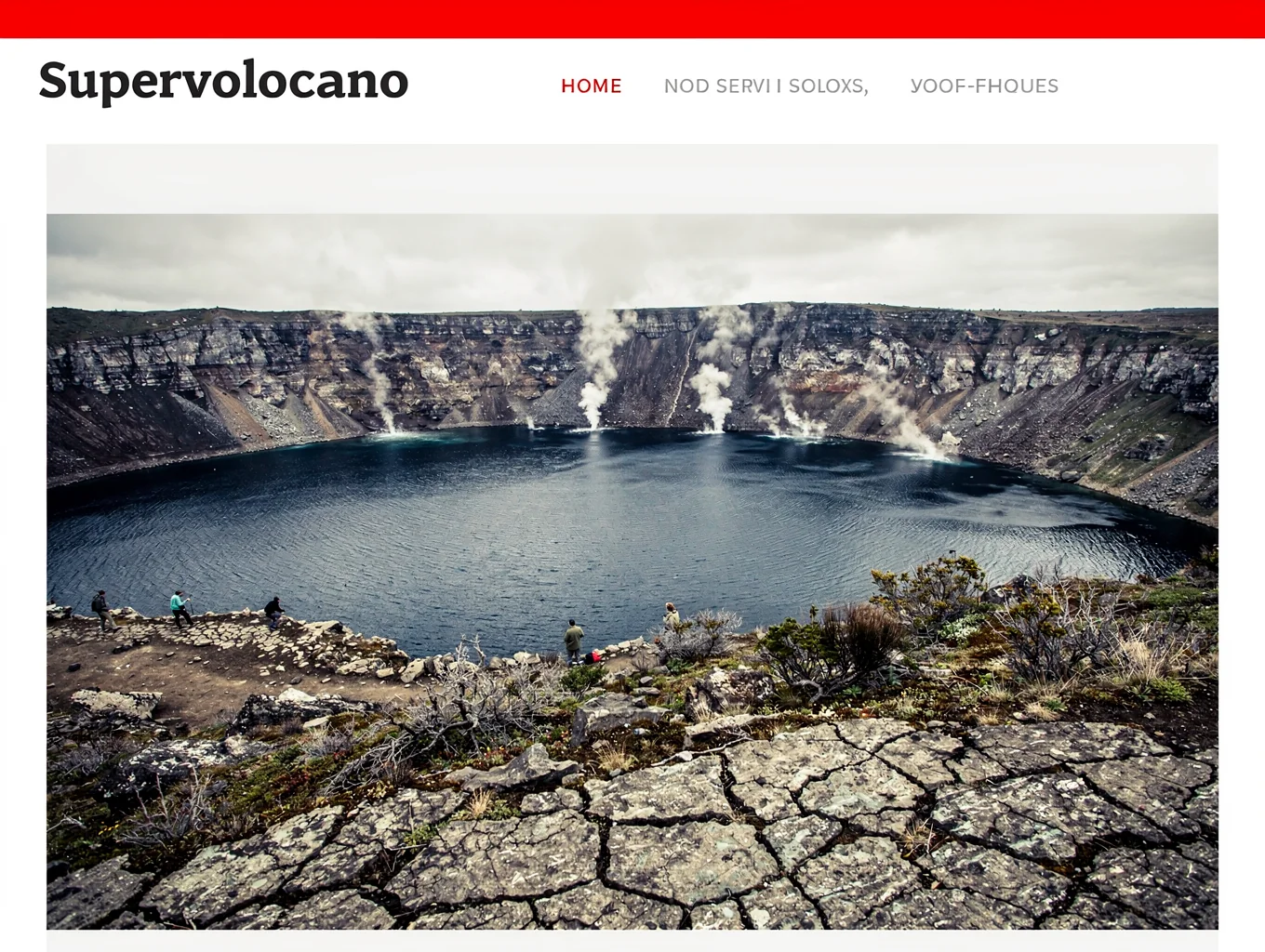
Surface water reservoirs, shallow municipal systems, and open catchment barrels will quickly saturate with toxic sulfur dioxide, fluorine, and abrasive suspended sediment. Open municipal water supplies should be deemed non-potable upon initial ashfall. Switch immediately to sealed interior water barrels, food-grade storage bladders, and canned emergency water supplies.
Because atmospheric sunlight reduction and volcanic cooling suppress agricultural output over wide continents, stores must cover months rather than days. Rely on vacuum-sealed freeze-dried staples, rolled oats, white rice, beans, and high-fat spreads that do not require external municipal power or heavy water consumption to prepare.
- 1Disconnect downspouts from rainwater cisterns before ash fallout reaches ground level.
- 2Shut down main municipal water valves to prevent back-siphoning contaminated water into home plumbing.
- 3Stage at least one gallon of sealed potable water per person per day for an initial 60-day baseline duration.
- 4Cache shelf-stable, low-cook food supplies alongside manual cooking gear such as indoor-safe butane stoves.
Volcanic Winter Survival & Off-Grid Thermal Management
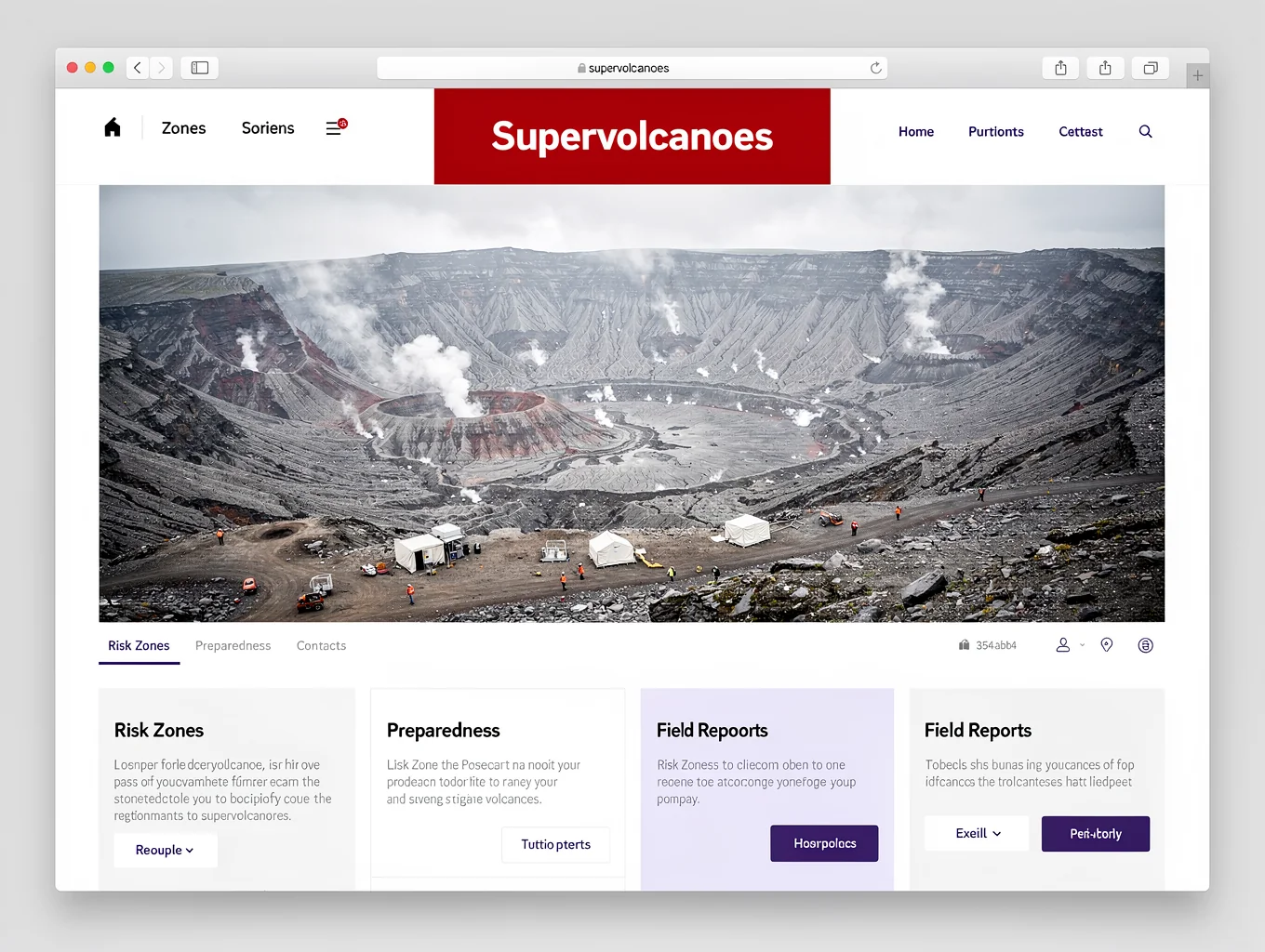
Major supervolcanic events inject millions of tons of sulfur aerosols into the stratosphere, reflecting solar irradiance and causing abrupt multi-year regional temperature plummets known as volcanic winter. Electrical power grids, transportation corridors, and fuel supply chains will likely suffer severe or complete interruption.
Designate a single micro-climate room within your residence for communal living to concentrate thermal warmth. Insulate windows with rigid foam board, seal floor drafts, and stock safe indoor-rated heating alternatives such as catalytic heaters with active carbon monoxide monitoring.
- 1Insulate the designated central shelter room using thermal blankets, rigid foam boards, and thick drapery.
- 2Install dual battery-powered carbon monoxide detectors and verify sensor operation before firing heat sources.
- 3Store seasoned firewood, propane, or indoor-rated fuel cells safely away from ash exposure.
- 4Layer synthetic moisture-wicking and wool garments to preserve core body heat without relying solely on fuel.
Essential Supervolcano Readiness Staging
- NIOSH-approved P100 half-face elastomeric respirators with spare particulate cartridges
- Unvented, seal-gasketed protective safety goggles to protect eyes against abrasive ash
- True HEPA indoor air filtration units and multiple high-MERV replacement filters
- Heavy 6-mil polyethylene plastic sheeting and contractor-grade duct tape rolls
- Telescopic roof rakes, non-sparking push brooms, and fall-arrest safety harnesses
- Minimum 60-day hermetically sealed water store with portable ceramic gravity filters
- Indoor-rated catalytic propane heater with battery-powered carbon monoxide sensors
More Guides in this Series
Standard operational protocol & readiness briefing.
Standard operational protocol & readiness briefing.
Standard operational protocol & readiness briefing.
Standard operational protocol & readiness briefing.
Standard operational protocol & readiness briefing.
Standard operational protocol & readiness briefing.
Standard operational protocol & readiness briefing.