
Wildfires
Wildfires move rapidly, driven by erratic wind shifts and arid fuel loads that can cut off escape corridors without warning. Surviving a wildland-urban firestorm requires proactive perimeter hardening, disciplined situational monitoring, and decisive early evacuation triggers before public infrastructure fails.
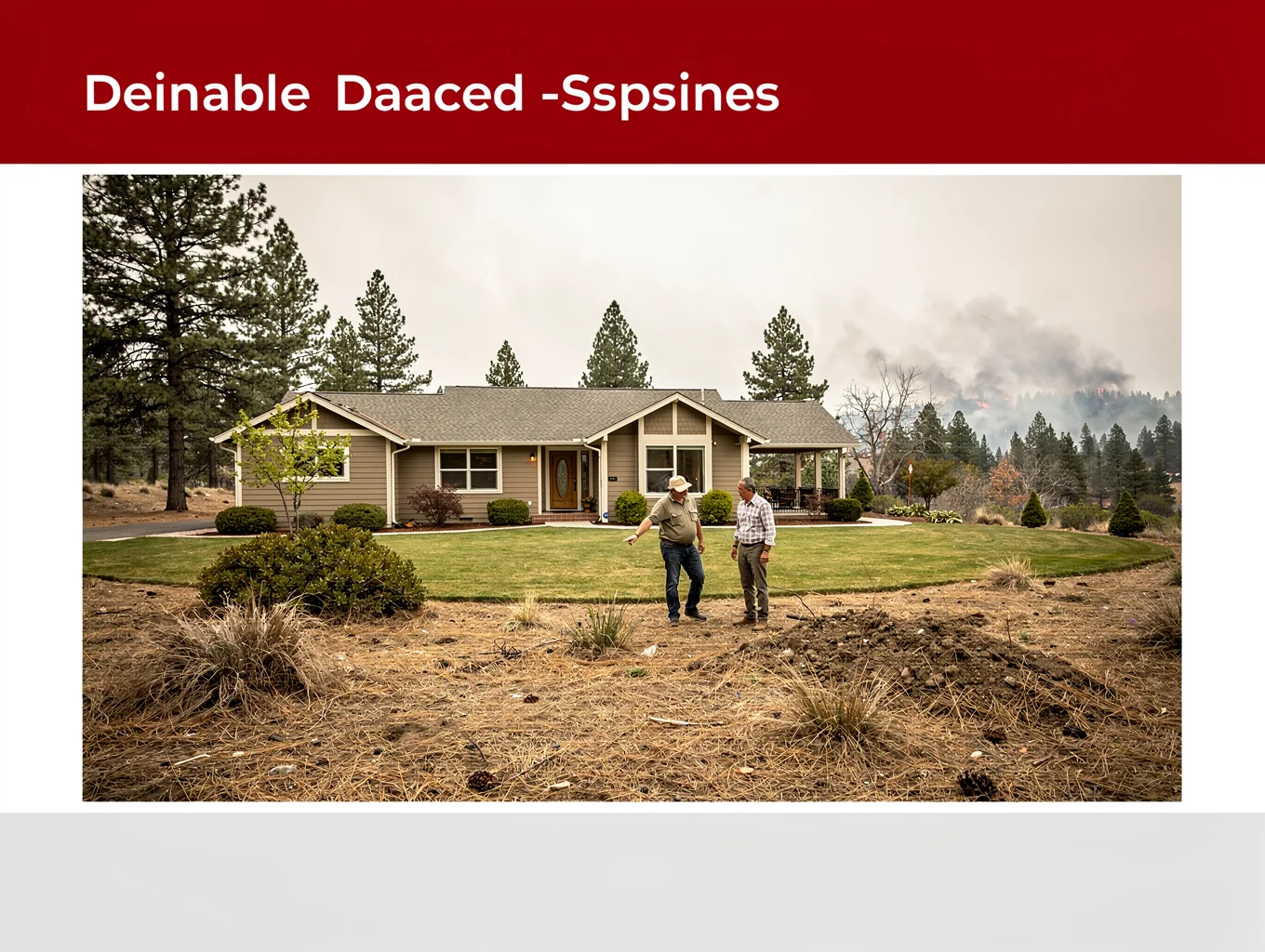
Critical Field Directives
- Establish non-negotiable evacuation triggers based on active wind direction and containment line proximity.
- Maintain a clear 30-foot defensible buffer around structures to prevent ember ignition.
- Equip every vehicle and bug-out bag with P100/N95 particulate respirators and fire-resistant natural fibers.
- Rehearse at least two independent vehicular and foot egress routes from your immediate area.
Perimeter Hardening & Defensible Space
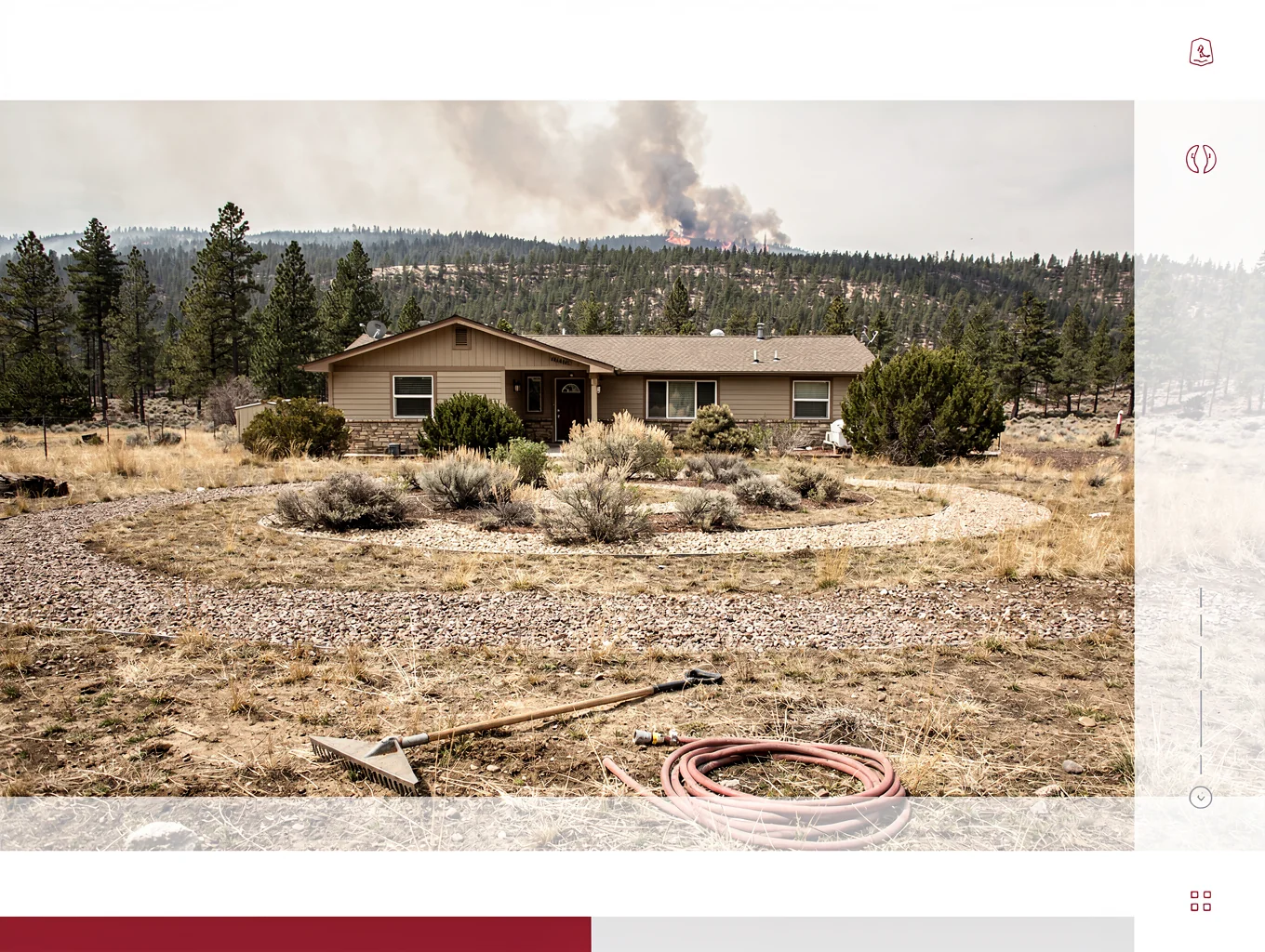
In a wildland-urban interface event, the majority of structures are lost not to the main flame front, but to blowing ember blizzards cast miles ahead of the blaze. Defensible space creates a survivable thermal barrier and removes combustible fuel pathways that draw fires toward living quarters.
Systematic zone clearance must be maintained year-round, prioritizing the immediate structural envelope where fine fuels collect in gutters, roof valleys, and under exterior decking.
- 1Clear all dead pine needles, dry leaves, and combustible debris within 30 feet of exterior walls and roof surfaces.
- 2Screen attic, foundation, and crawlspace vents with 1/8-inch non-combustible corrosion-resistant metal mesh to block windborne embers.
- 3Store stacked firewood, propane cylinders, and combustible lumber at least 30 feet downhill from any inhabited building.
- 4Prune tree limbs up to 10 feet from ground level and remove branches that overhang structural rooflines.
Evacuation Triggers & Transit Corridors
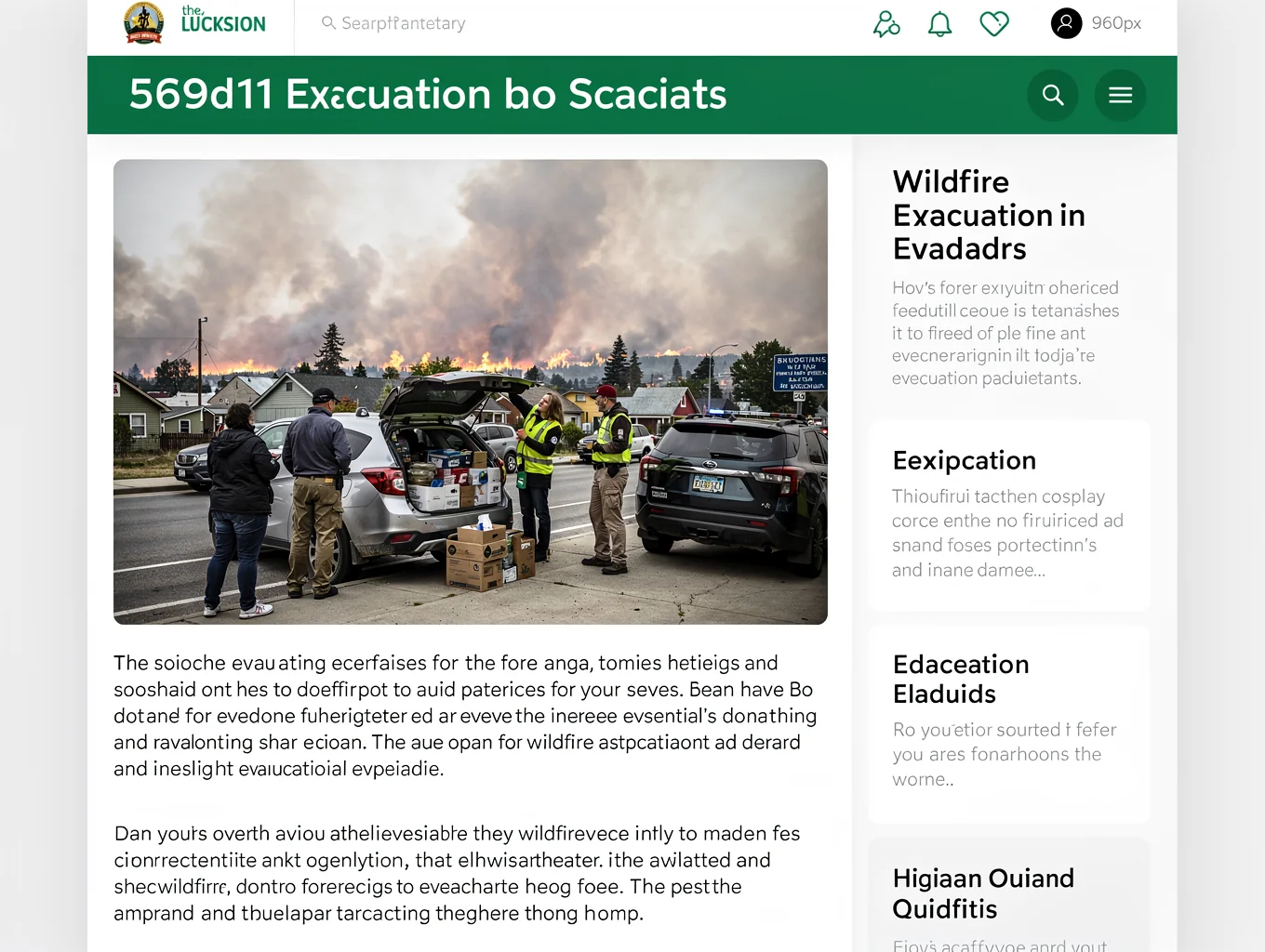
The fatal mistake in fast-moving wildfires is waiting for an official mandatory evacuation alert. High-intensity fires rapidly consume roadside power lines, sever cell towers, and create zero-visibility smoke corridors packed with panicked civilian traffic.
Establish unambiguous personal operational triggers. When a blaze burns within five miles with sustained gusts heading toward your sector, execute immediate departure protocols regardless of municipal advisory levels.
- 1Stage vehicles backed into the driveway with windows sealed, doors unlocked, and emergency keys in ignition.
- 2Monitor local emergency repeaters, fire perimeter mapping feeds, and automated satellite thermal detection channels.
- 3Select primary and secondary evacuation corridors, favoring wide multi-lane paved highways over narrow tree-canopied canyon roads.
- 4If trapped on the roadway, seek wide clearings, plowed fields, or mineral soil zones well away from heavy brush canopy.
Personal Protective Equipment & Vehicle Readiness
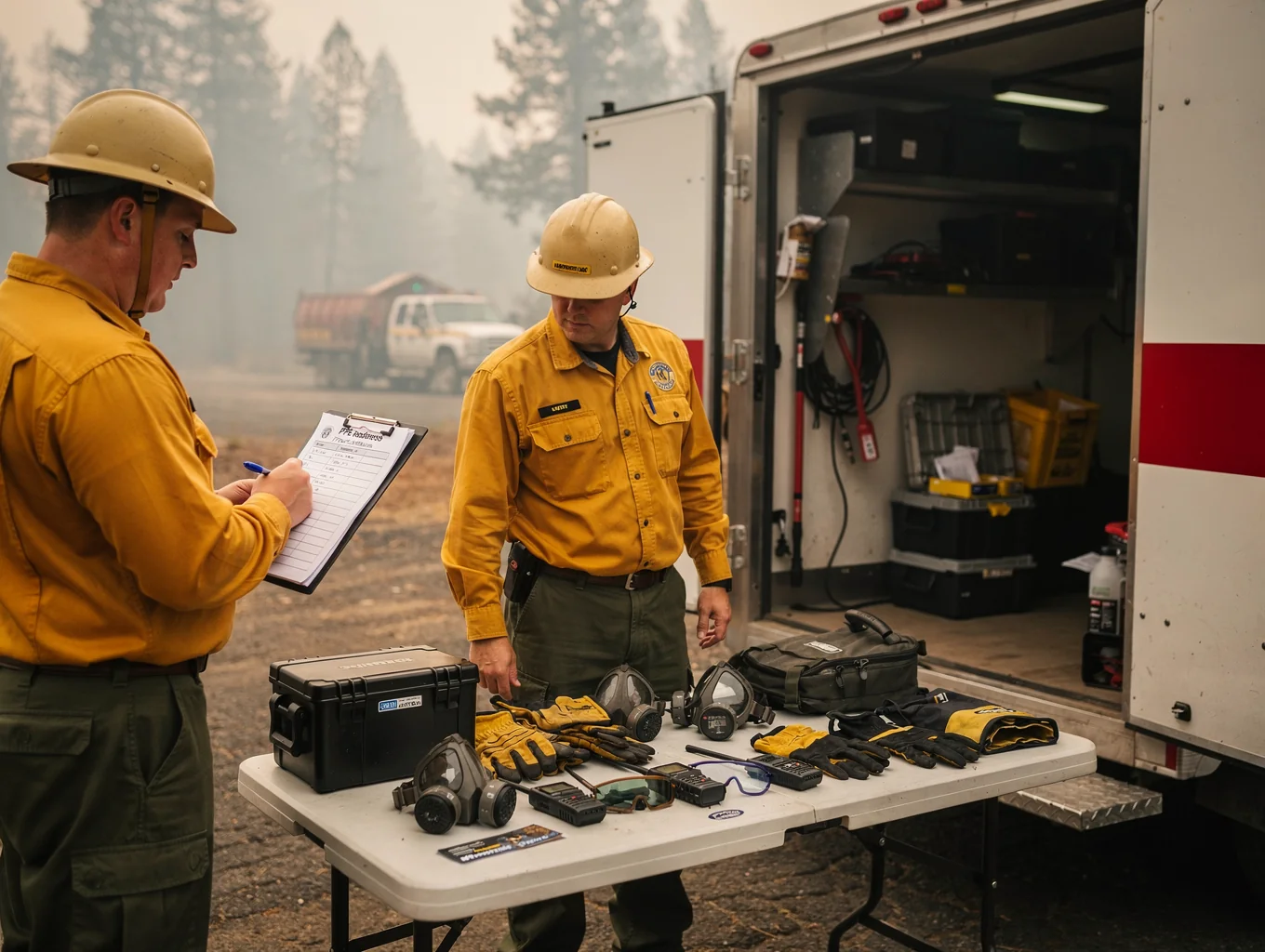
Intense wildfire smoke contains toxic carbon monoxide, acrid ash particulates, and superheated vapors capable of causing severe respiratory trauma in seconds. Standard cloth face coverings offer zero defense against microscopic particulate inhalation.
Vehicles must be pre-staged with emergency escape gear, high-grade respiratory filtration, and thermal protection to endure radiant heat during an emergency egress through active smoke zones.
- 1Don full-coverage clothing constructed exclusively from heavy natural wool, denim, or certified flame-resistant cotton; avoid melting synthetic fabrics.
- 2Equip full-face or tight-fitting half-mask P100 respirators alongside unvented sealed safety goggles for all vehicle occupants.
- 3Keep heavy leather work gloves, wool blankets, and dedicated halogen headlamps inside the center console.
- 4Switch the vehicle ventilation system to internal recirculation to keep smoke from overwhelming the passenger cabin.
Essential Wildfire Readiness Staging
- NIOSH-certified N95 or P100 particulate respirators with replacement filters
- Heavy-duty leather work gloves and fire-resistant wool safety blankets
- Sealed unvented safety goggles to guard eyes against blinding smoke and embers
- Emergency NOAA multi-band weather radio with manual hand-crank backup
- Submersible heat-resistant document pouch containing deeds, insurance, and IDs
- Vehicle emergency escape kit including glass-breaker, tow strap, and tire sealant
- 72-hour individual rations and sealed potable water reserves (1 gallon/person/day)
More Guides in this Series
Standard operational protocol & readiness briefing.
Standard operational protocol & readiness briefing.
Standard operational protocol & readiness briefing.
Standard operational protocol & readiness briefing.
Standard operational protocol & readiness briefing.
Standard operational protocol & readiness briefing.
Standard operational protocol & readiness briefing.