
Hurricanes
Severe tropical cyclones deliver sustained high-velocity winds, catastrophic storm surge, and prolonged localized flooding. Surviving a major landfall requires preemptive structural reinforcement, disciplined departure thresholds, and self-sufficient survival assets that function independently of municipal infrastructure.
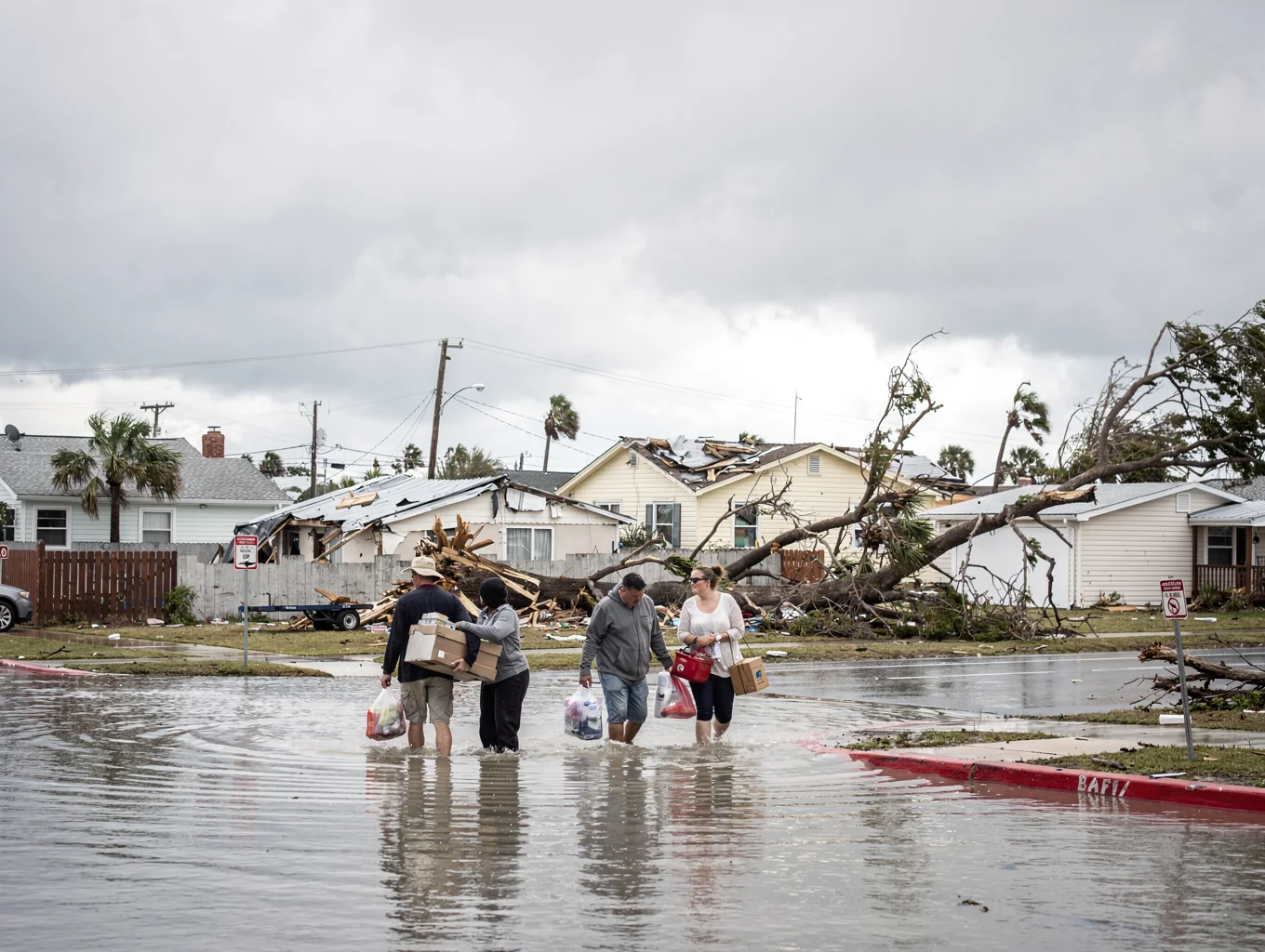
Critical Field Directives
- Establish unambiguous, data-driven evacuation triggers well ahead of local gridlock and mandatory curfew orders.
- Harden structural apertures using engineered hurricane shutters or minimum 5/8-inch exterior plywood anchored directly to framing.
- Elevate emergency provisions, water caches, and sensitive power reserves above anticipated flood crest marks.
- Never operate gas generators or combustible equipment indoors or near window intakes under any circumstances.
Seasonal Structural Hardening & Perimeter Defense
Preparedness begins months before storm season develops. Routine inspection and structural hardening substantially reduce the likelihood of catastrophic envelope failure during Category 3 or higher wind events. Loose roof decking, weak garage doors, and unsecured outdoor fixtures represent primary failure points when subject to cyclonic wind shear.
Systematic perimeter auditing ensures exterior hazards do not convert into high-velocity projectiles capable of breaching window barriers and pressurizing your interior living space.
- 1Inspect roof-to-wall connections, installing hurricane clips or structural straps where accessible in attic spaces.
- 2Clear all overhanging tree limbs, dead wood, and potential projectiles within fifty feet of the primary structure.
- 3Reinforce double entry doors and garage doors with heavy-duty vertical bracing kits to resist positive and negative wind loads.
- 4Secure commercial storm shutters or pre-cut and label 5/8-inch exterior-grade plywood panels with corrosion-resistant barrel bolts.
Evacuation Corridors & Contingency Timing
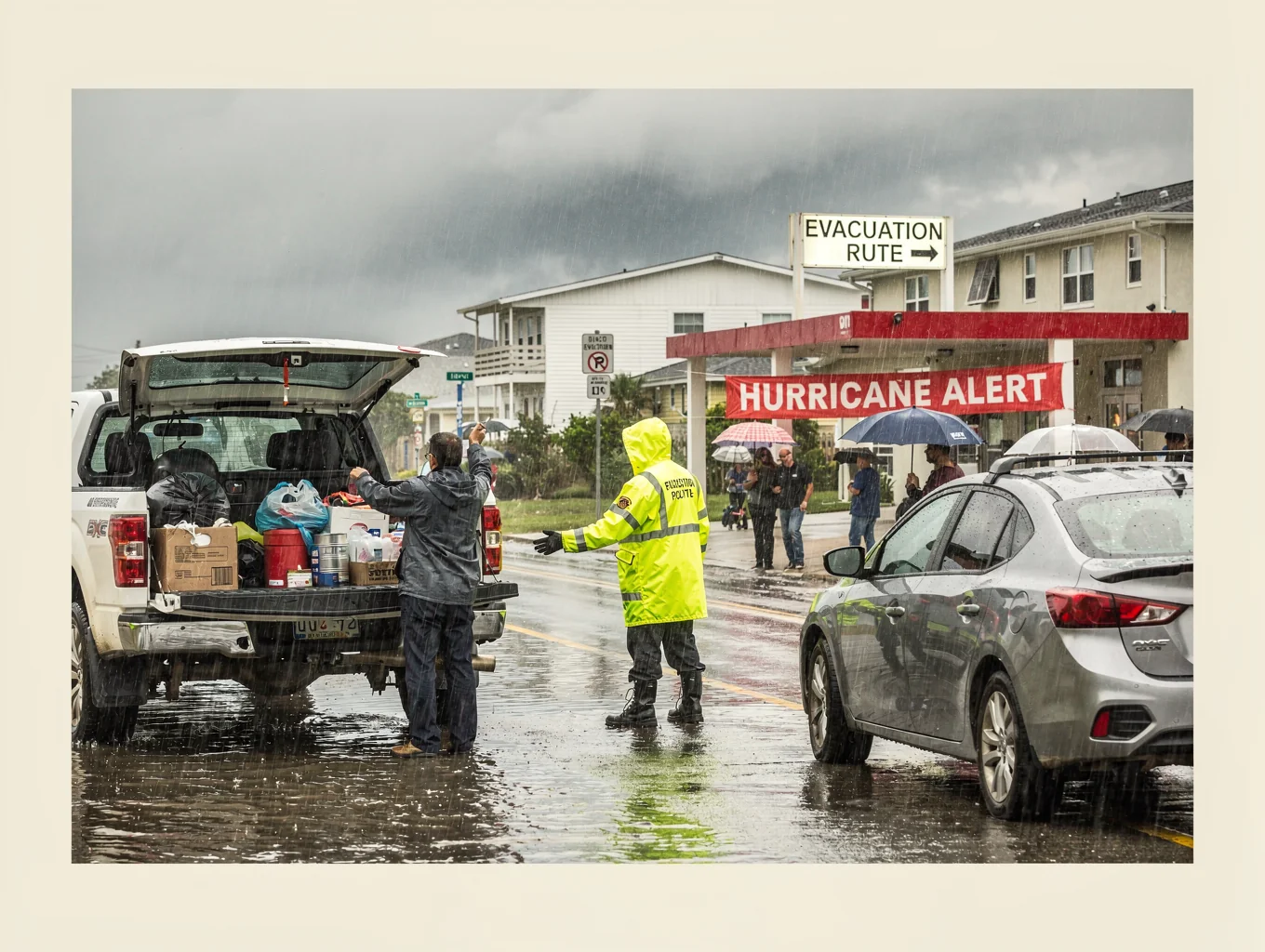
The gray man doctrine treats evacuation as a disciplined tactical maneuver rather than a panicked exodus. Waiting for official mandatory evacuation orders often traps families in highway gridlock without fuel, water, or shelter.
Identify at least two primary inland routes and two secondary rural bypasses. Maintain vehicle fuel tanks above three-quarters capacity throughout the active storm cycle, and establish clear staging points outside the coastal storm surge envelope.
- 1Determine your property's precise elevation and official evacuation zone designation before storm season opens.
- 2Map primary and secondary inland highway routes, avoiding choke points like low-lying causeways and drawbridges.
- 3Pre-stage loaded vehicle kits, ensuring spare tires, high-traction recovery boards, and siphon gear are operational.
- 4Establish an out-of-region family check-in contact who remains outside the storm trajectory.
Potable Water & Off-Grid Utility Resilience
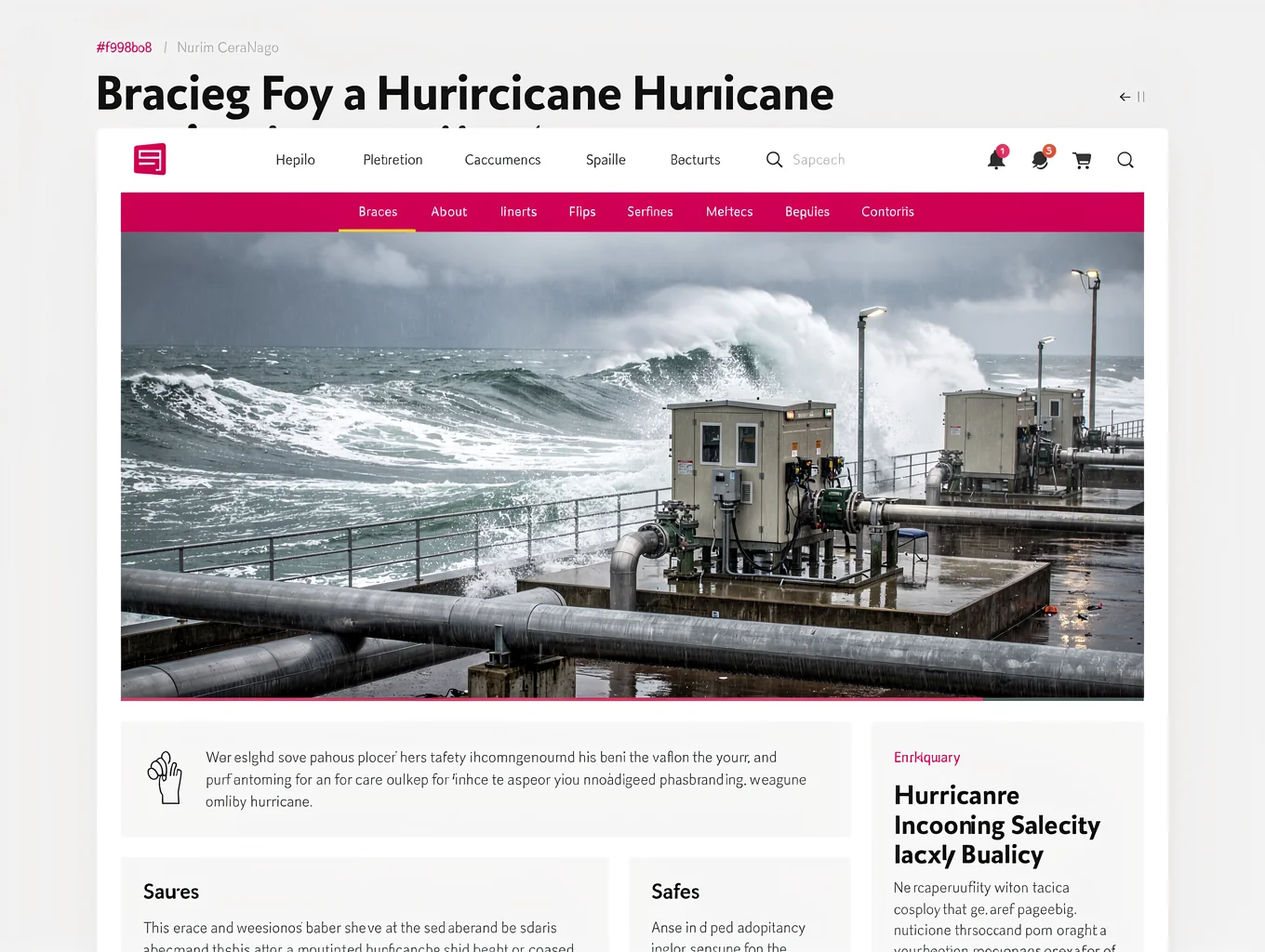
Municipal water distribution networks frequently fail or become contaminated during storm surge events and structural washouts. Boil-water advisories may persist for weeks following landfall, making on-site water reserves and filtration your top operational priority.
Store potable water in heavy-duty food-grade drums and staging containers elevated off basement or ground-level floors. Supplement bulk water with mechanical gravity filters and chemical purification tablets to process harvested rainwater safely.
Post-Landfall Safety & Damage Assessment
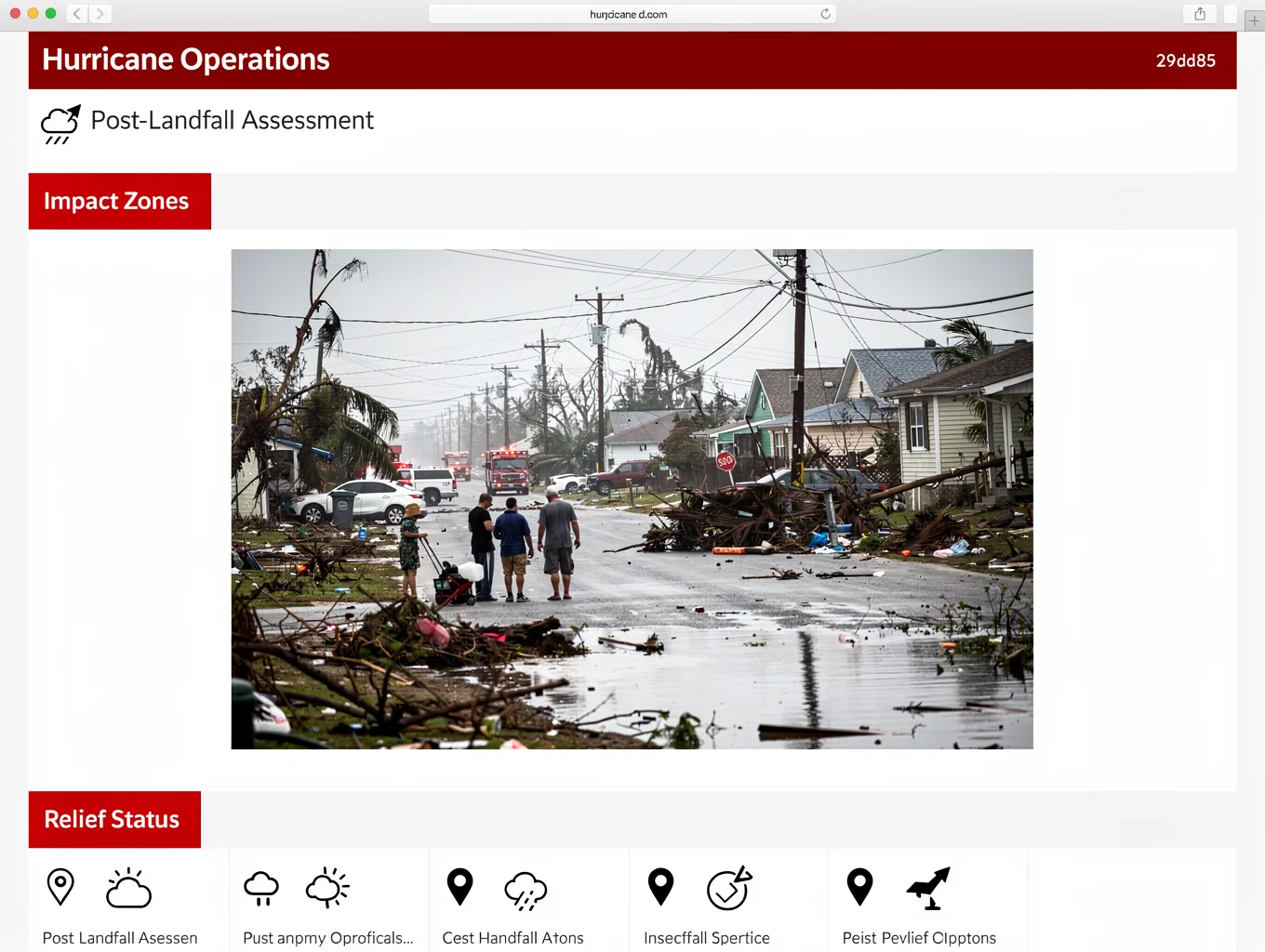
The immediate aftermath of a hurricane presents severe secondary dangers including downed energized power lines, compromised structures, displaced wildlife, and contaminated standing floodwaters. Prematurely venturing outdoors during the eye of the storm remains a frequent cause of avoidable casualties.
Conduct initial perimeter sweeps methodically using protective footwear and work gloves. Disconnect main electrical breakers before entering standing water, and document all physical damage thoroughly before initiating temporary weatherproof tarping.
- 1Remain indoors in an interior reinforced room until local meteorological sources confirm the trailing eyewall has passed.
- 2Shut off the municipal gas meter and main electrical service panel if structural compromise or water ingress is detected.
- 3Treat all downed utility cables as live high-voltage conductors and maintain a minimum exclusion zone of thirty feet.
- 4Deploy exterior tarps over compromised roof sections using wooden furring strips to prevent secondary rain destruction.
Essential Hurricane Readiness Checklist
- Minimum 1 gallon of potable water per person per day for 14 days
- Two-week reserve of shelf-stable, no-cook emergency rations
- Multi-band NOAA weather radio with hand-crank and solar charging
- Pre-cut storm shutters or 5/8-inch plywood with masonry anchors
- Portable solar generator or dual-fuel generator with safe exterior cabling
- Heavy-duty waterproof document cases for vital identification & deeds
- Comprehensive trauma medical kit with tourniquets and wound care supplies
- Submersible LED lanterns, headlamps, and sealed spare battery reserves
More Guides in this Series
Standard operational protocol & readiness briefing.
Standard operational protocol & readiness briefing.
Standard operational protocol & readiness briefing.
Standard operational protocol & readiness briefing.
Standard operational protocol & readiness briefing.
Standard operational protocol & readiness briefing.
Standard operational protocol & readiness briefing.