
Gray Man Survivalists · Field Guide
Preparing For The End Of The World As We Know It
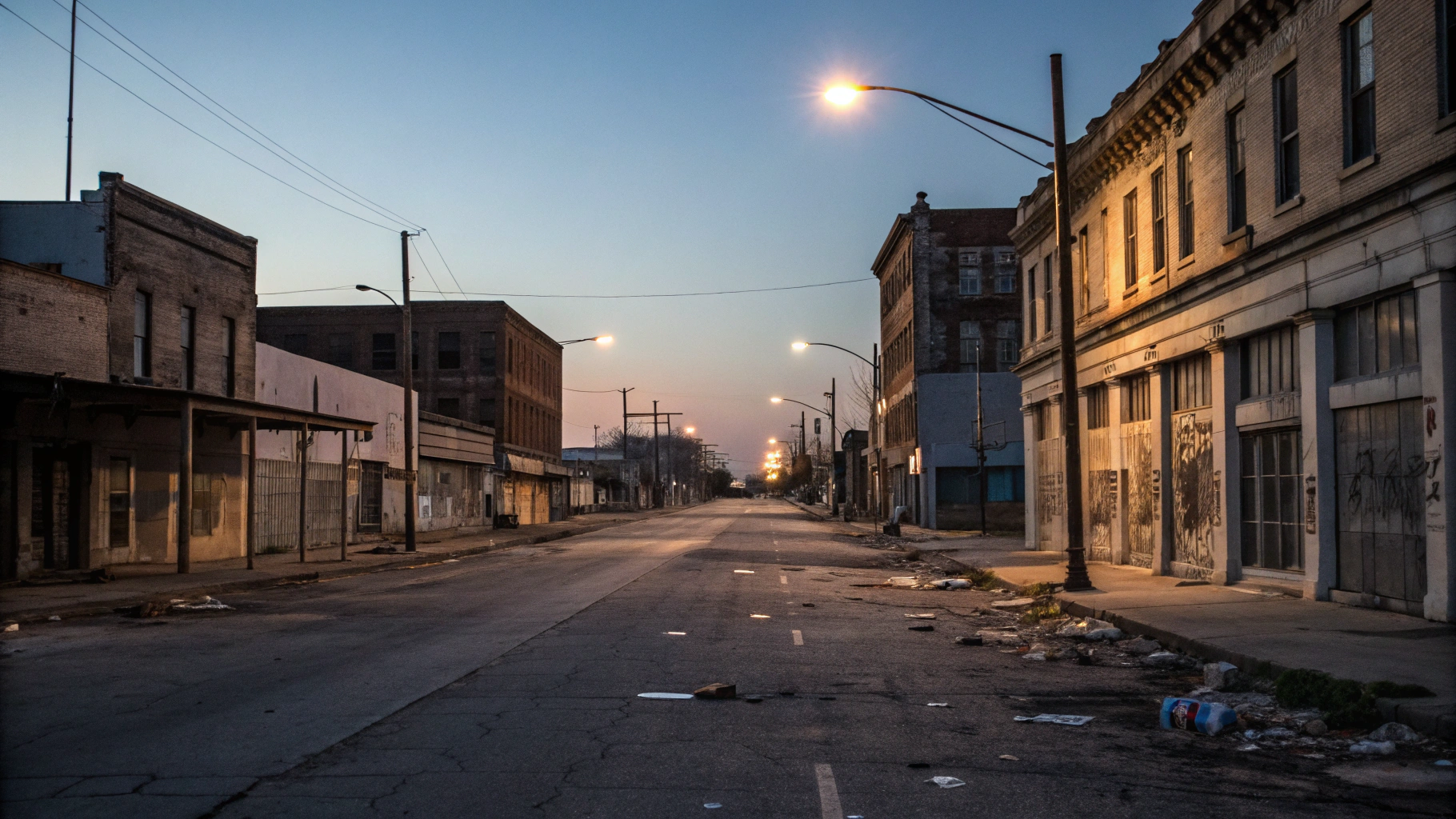
TEOTWAWKI is the point where the systems you rely on stop working together: power, water, fuel, supply chains, communications and public order. It can arrive as a grid failure, a pandemic, an EMP, a nuclear event or prolonged unrest. When help is days or weeks away, or not coming at all, what you know and what you carry decides how you get through. This guide gives you the priorities, the timeline and the starting skills, built on the gray man principle: be prepared, stay unremarkable.
72 hours
Plan to be fully self-reliant for at least three days
3 days
The usual limit without drinking water
2 plans
A primary and a backup for every route, contact and supply
The Rule of Threes and Vital Survival Prioritization

In a crisis, every decision should follow the body's survival clocks. The Rule of Threes is a simple way to remember them. A person can last about 3 minutes without air, 3 hours without shelter in extreme weather, 3 days without water and 3 weeks without food. These are rough guides, not promises, and illness, injury, age and weather shorten every one of them.
The rule tells you what to fix first. Breathable air and safety from immediate danger come before everything. Then keeping your core temperature stable, then clean drinking water, then food. Spending your first hours on a food stash while you are wet, cold and thirsty is the classic way to burn energy you cannot get back.
Clear airways, leave smoke, dust and gas.
Get dry and out of wind, rain and extreme heat or cold.
Find, treat and store safe drinking water.
Last priority, but plan ahead for it.
When everything hits at once
- 1Stop the threat: get away from fire, gas, floodwater or violence.
- 2Stay warm and dry: shelter and clothing before anything else.
- 3Secure water: collect, filter or boil before you are thirsty.
- 4Then food, communication and movement.
Discipline matters as much as gear. Act on verified information, not rumour. Ration the battery in your phone and radio. Agree rally points and check-in times with people you trust before you need them.
Navigating The First 72 Hours Of Total Collapse
The first three days set the tone for everything after. Most people lose time to panic, crowds and bad information. Your aim is simple: get safe, get informed, get ready to move or hold. Do the steps below in order, and adjust them to your home, your region and the people with you.
Assess and secure
- Check everyone is safe and treat injuries.
- Tune a battery or hand-crank radio to emergency broadcasts.
- Fill bathtubs, bottles and pots with water while pressure remains.
- Avoid crowds, gas stations and shops in the first rush.
Decide: stay or go
- Judge the threat: is your home safer than the road?
- If staying, secure doors, cover windows, and set up a warm, dry room.
- If leaving, take your bug-out bag and use your primary route first.
- Contact your out-of-area person once, briefly, to save battery.
Settle into a routine
- Ration water and food, and track what you have.
- Treat and store water; set up safe sanitation.
- Keep a quiet watch schedule and keep a low profile.
- Review your plan daily and write down changes.
Gray man rule:do not advertise what you have. Avoid showing stock, gear or lights that tell neighbours you are better supplied than they are.
Mastering Essential Skills For Indefinite Sustainability
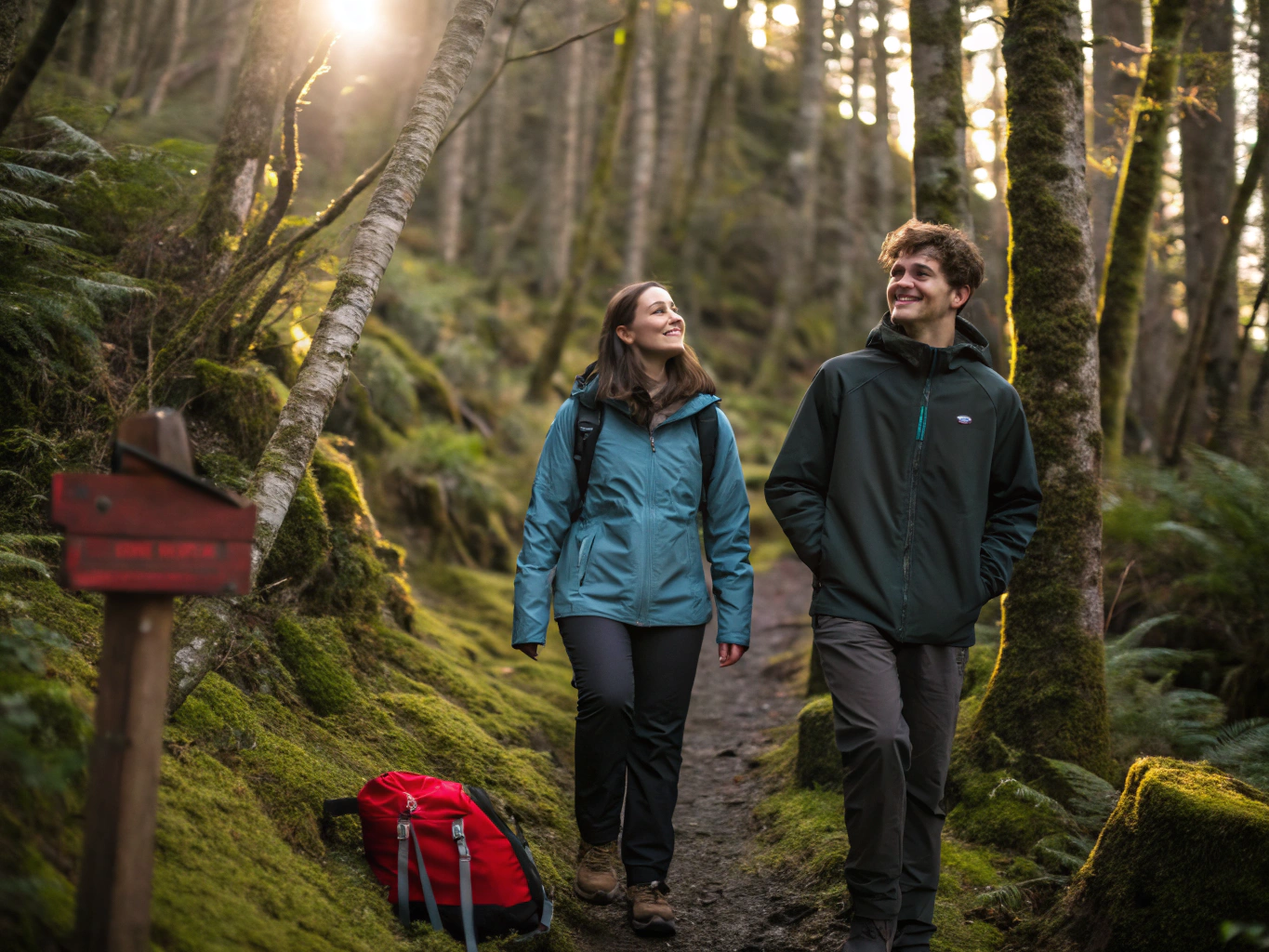
Gear runs out. Skills do not. Long-term survival depends on a small set of abilities you practise until they are habit: finding and treating water, building shelter, making fire, sourcing food, finding your way and caring for the sick and injured when emergency services are gone.
Water
Find, collect and make water safe. Filter first, then boil or treat, and always store it in clean, covered containers.
Shelter
Stay out of wind, rain and ground cold. Insulate underneath you first, because the ground steals heat faster than the air.
Fire
Carry more than one way to light a fire and practise in bad weather. Dry tinder and a safe, small fire do more than a big one.
Food
Stock calories you will actually eat, learn safe storage and only forage what you can identify with certainty.
Navigation
Learn to read a paper map and use a compass. Phones and GPS fail when networks and batteries do.
First aid
Stop bleeding, clean wounds, prevent infection and keep hygiene strict. Small illnesses become serious when there is no clinic.
Practise one skill a month. A weekend spent filtering stream water or lighting a fire in the rain teaches more than any article, including this one.
Bug-Out Checklist: What To Carry And Why
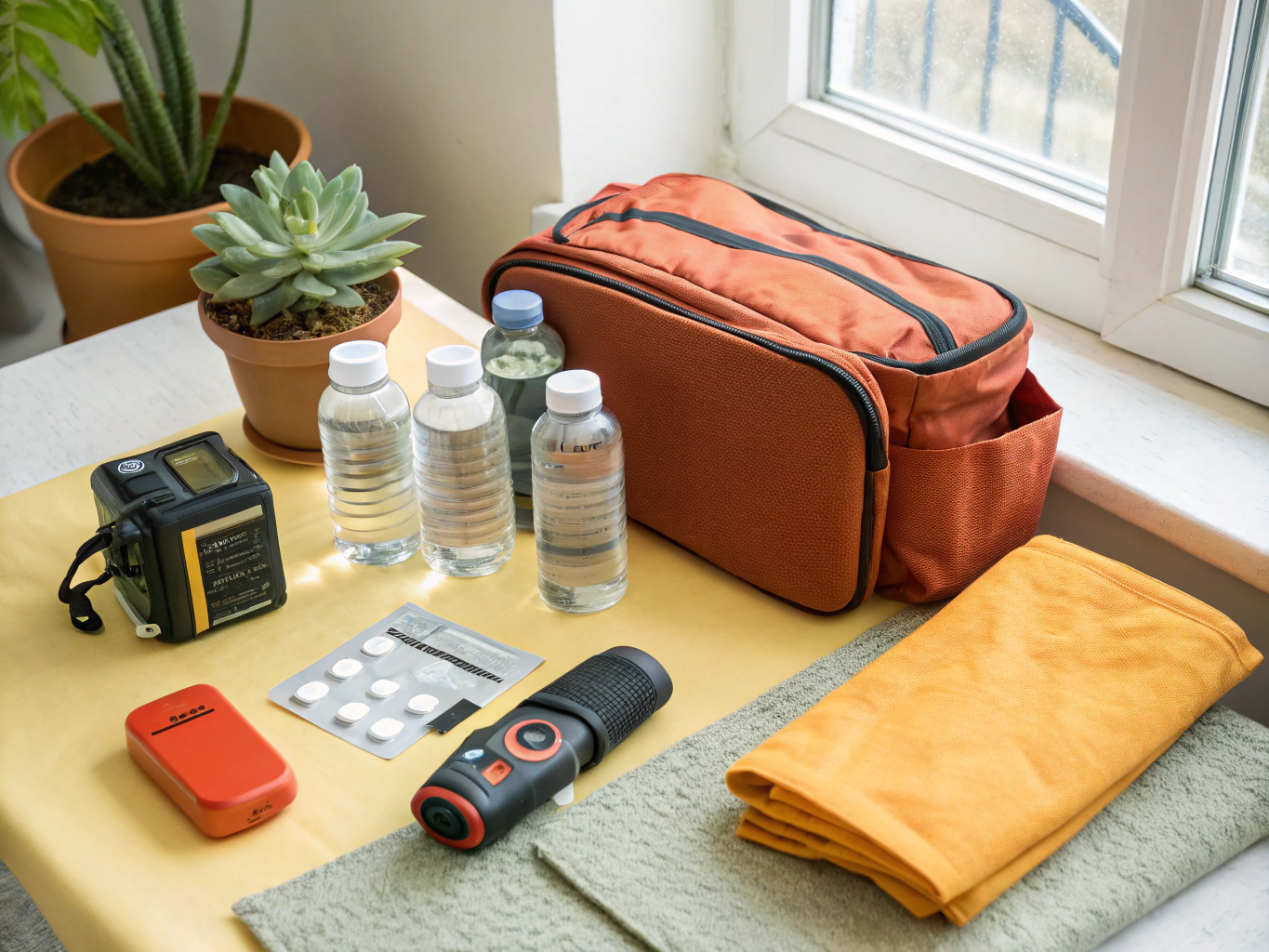
A bug-out bag should let you survive about 72 hours on the move. Keep it light enough to carry for hours, store it where you can grab it, and check it twice a year. Pack for the climate you live in.
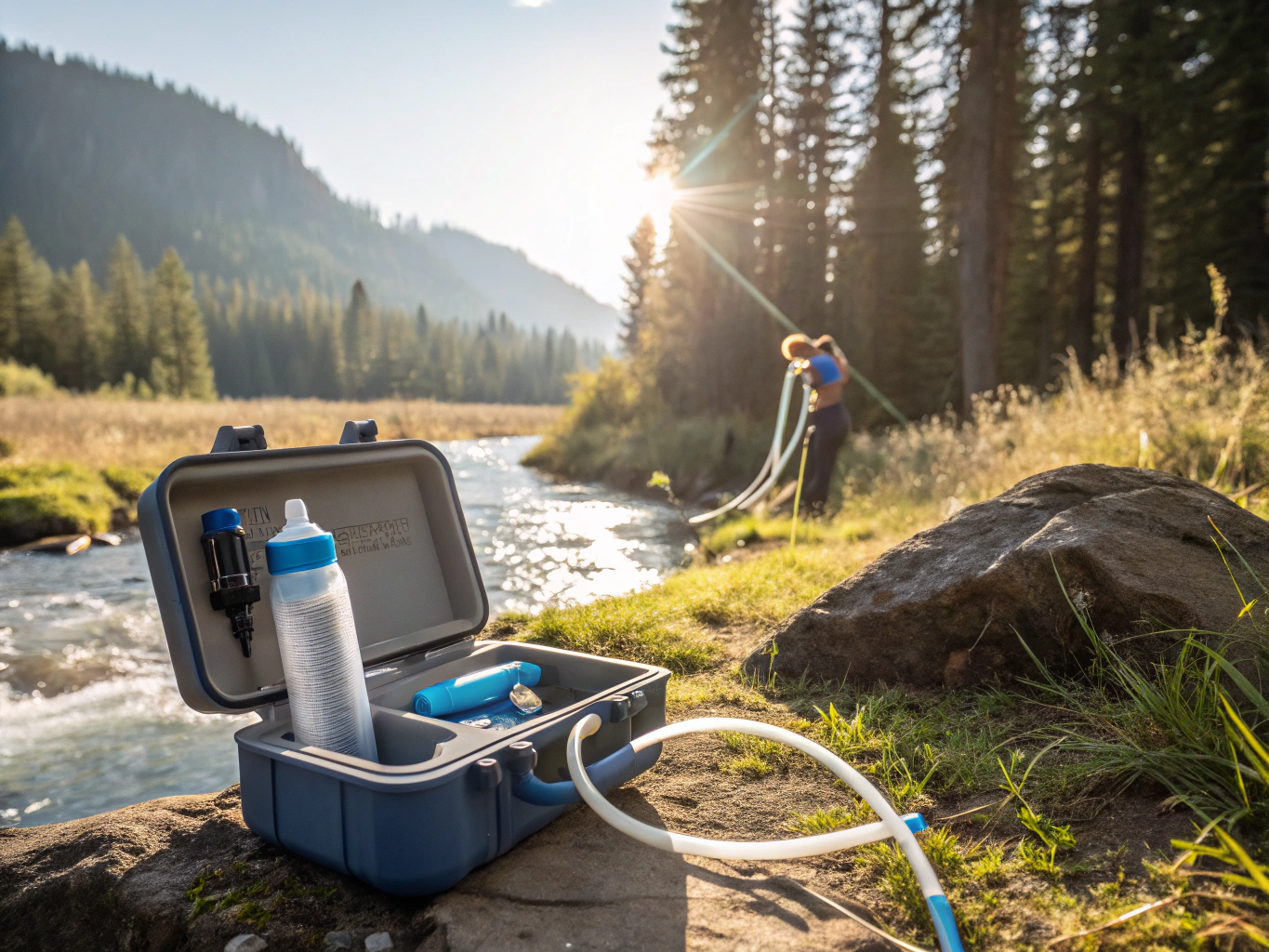
Filter first, then boil or treat. Never trust clear water.
Water
- Portable filter or purification tablets
- Metal bottle or two litres of capacity
- Small pot for boiling
Warmth and shelter
- Emergency blanket and a tarp or bivvy
- Spare socks and a warm layer
- Rain shell
Light and power
- Headlamp with spare batteries
- Hand-crank or battery radio
- Power bank, cables and a small solar charger
Fire and tools
- Lighter, matches and a ferro rod
- Fixed-blade or folding knife
- Cordage and duct tape
Medical
- Trauma and first-aid kit
- Personal prescriptions, a week's worth
- Masks, gloves and basic hygiene items
Documents and communication
- Copies of ID, deeds and insurance in a waterproof sleeve
- Cash in small notes
- Paper map, written contacts and rally points
Keep the bag plain. A neutral colour and no logos or military look keeps you from standing out.
Common Mistakes That Make You A Target
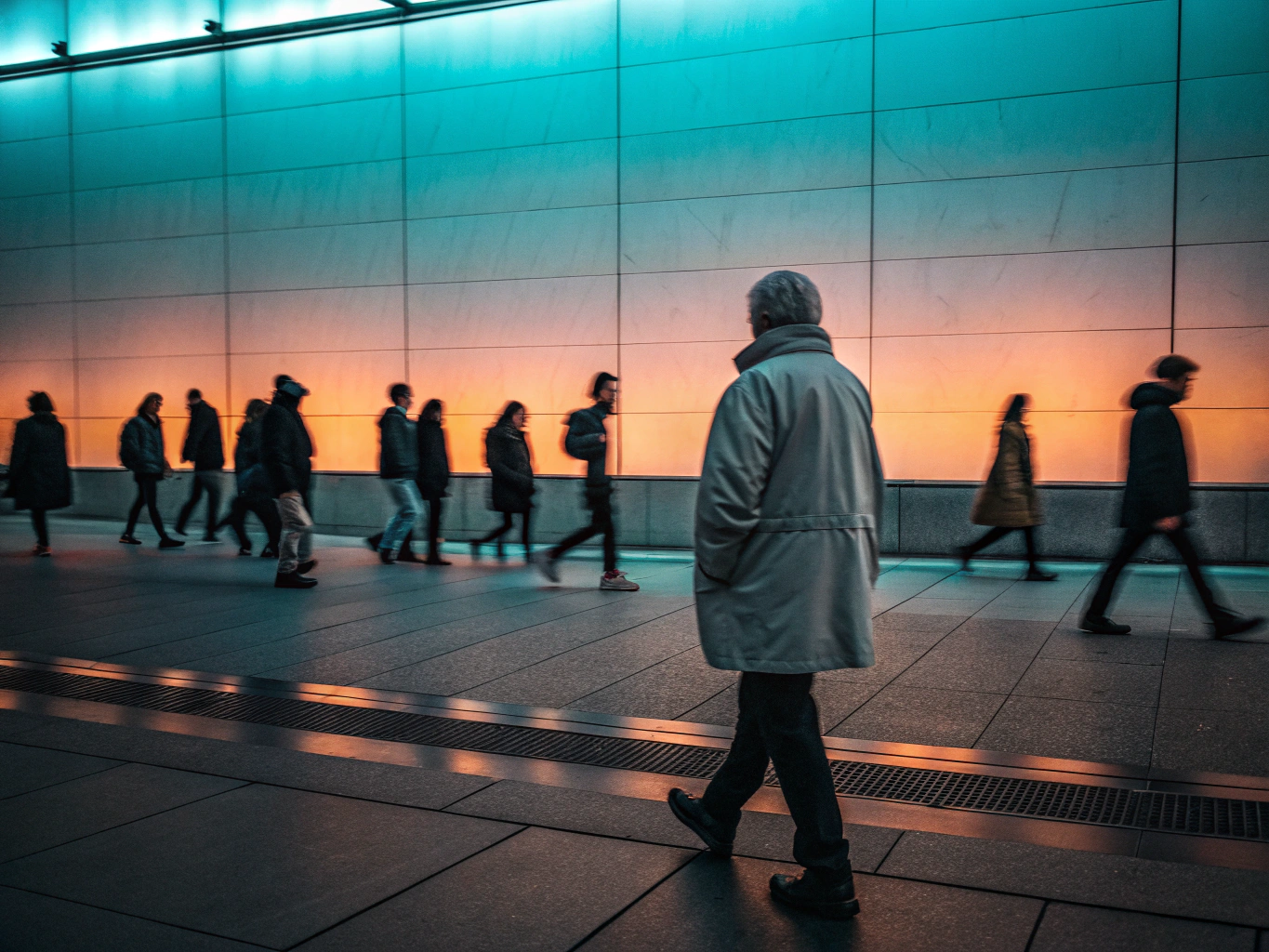
The gray man approach is simple: do not be the person anyone remembers. Most early mistakes are not about missing gear. They are about attention, noise and bad habits.
Panic buying and joining crowds
Prepare before the event. In the first hours, avoid stores, fuel stations and queues.
Showing off supplies
Keep stock out of sight, and do not talk about what you have or where it is kept.
Dressing and packing like a soldier
Use plain, weathered clothing and neutral packs. Blend into the place you are in.
Relying on one plan
Have a primary and a backup for every route, rally point, contact and water source.
Trusting rumours
Act on information from verified sources. Confirm before you move.
Skipping practice
Test your kit and skills every season. Gear you have never used is a guess.
Where To Go Next
Keep building your readiness with the rest of the field guide.