
Fire
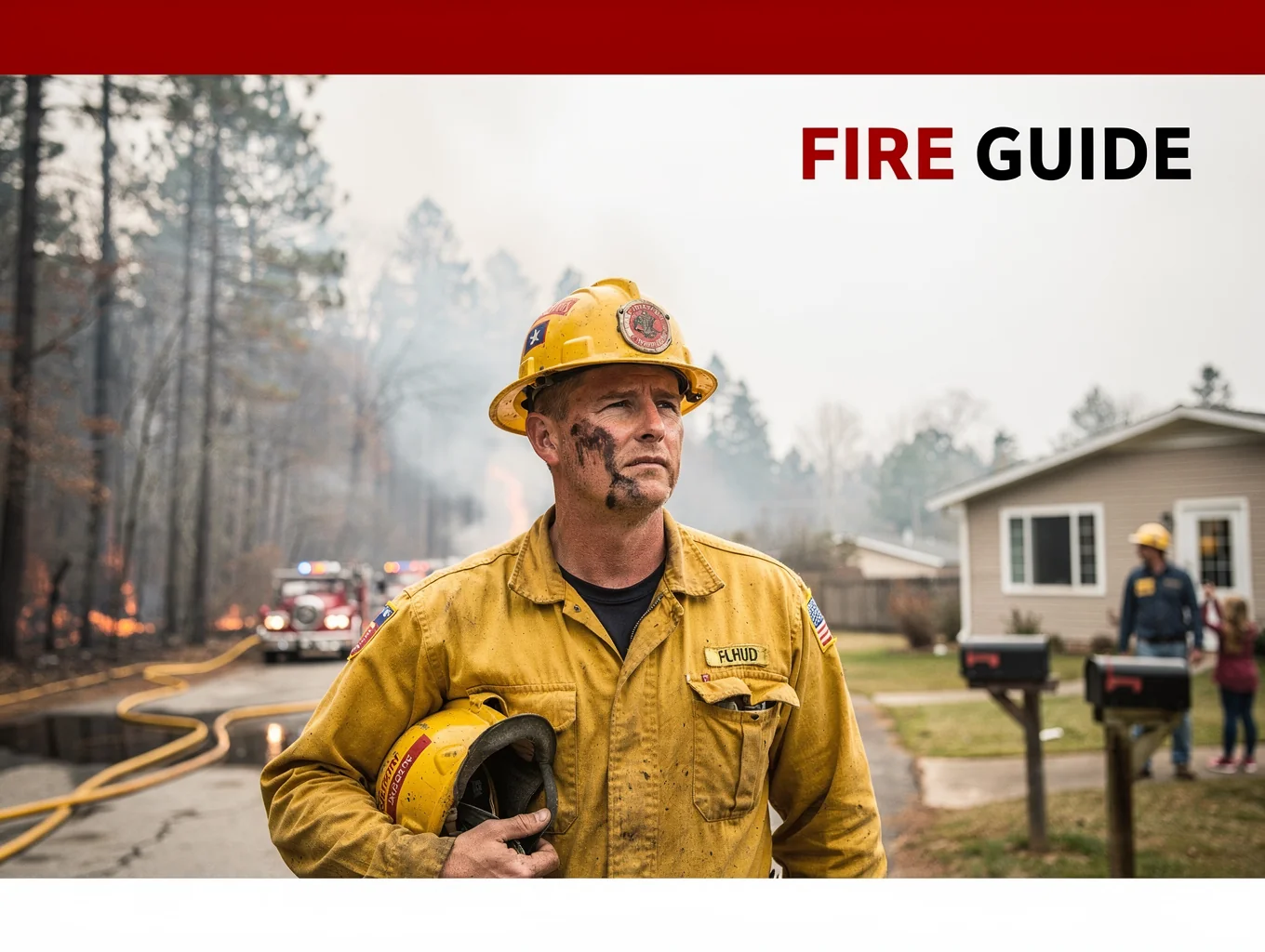
Combustion provides vital core warmth, water purification, and hot nourishment under austere conditions. Mastering fuel gradation, shielded fire lays, and strict smoke mitigation allows you to harvest heat efficiently while maintaining tactical low-visibility and preventing dangerous runaway blazes.
Critical Field Directives
- Assemble and organize the complete fuel progression—tinder, kindling, and sustained fuel logs—before generating a single spark.
- Construct below-grade pit lays or Dakota fire holes to concentrate thermal output and conceal direct light signatures.
- Burn thoroughly seasoned, debarked hardwoods to eliminate heavy smoke plumes and reduce lingering scent trails.
- Keep redundant ignition systems sealed in waterproof containers alongside dependable dry tinder accelerators.
- Extinguish every active burn completely with water, soil integration, and touch verification before breaking camp.
Fuel Staging & Thermal Layering
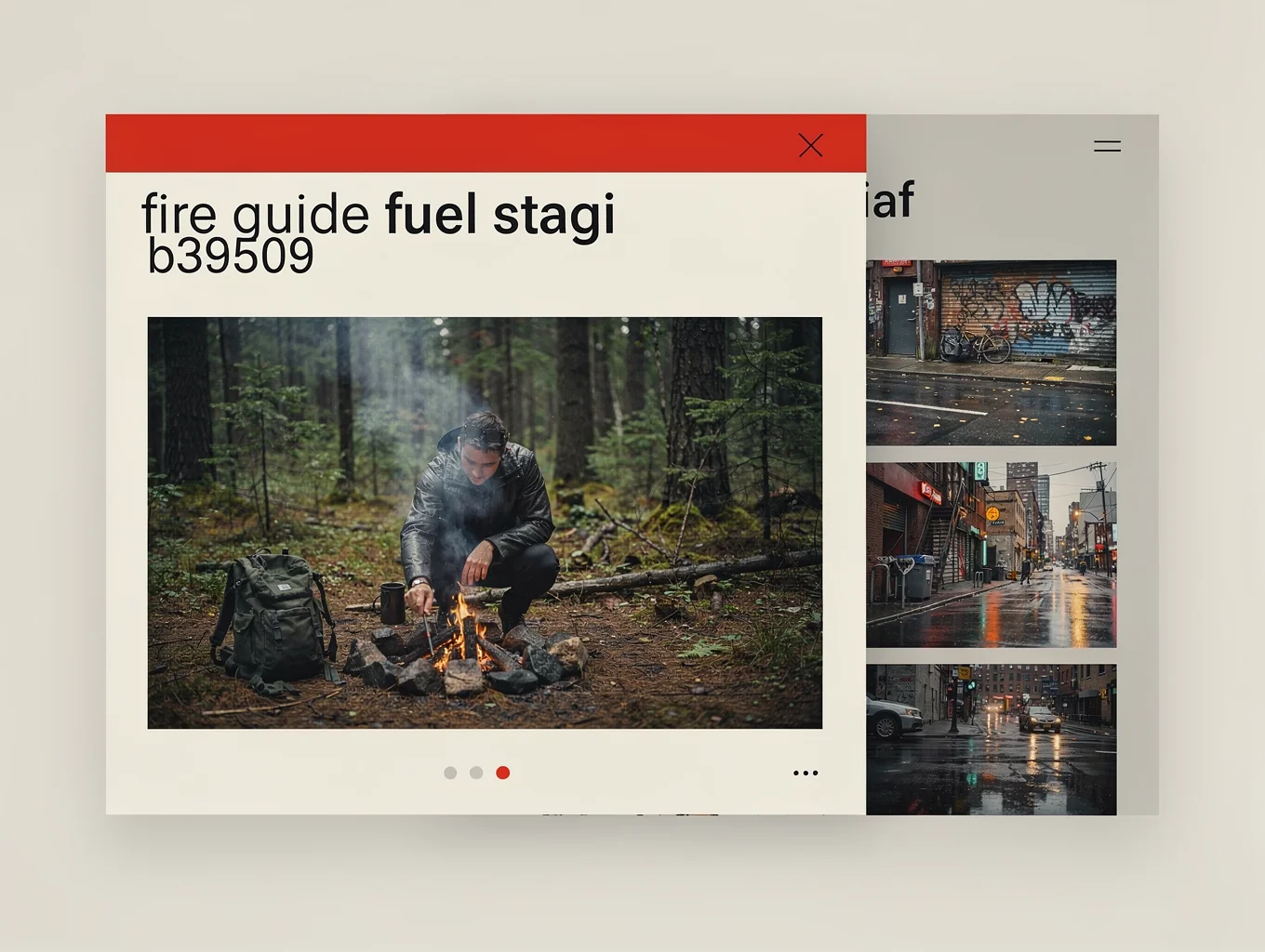
A reliable survival fire depends on disciplined preparation rather than hurried ignition. Never strike a spark or ignite a match until you have collected sufficient fuel to sustain the flame through its critical initial expansion stages. Separate fuel into three distinct categories: ultra-fine tinder that catches instantly, dry kindling ranging from matchstick to pencil thickness, and solid sustained fuel wood.
Store your gathered fuel off damp ground on a raft of dry branches or bark slabs. Keep extra kindling and medium fuel logs under shelter or beneath a water-resistant tarp so unexpected mountain rain or night dew does not compromise your reserves.
- 1Process dry fibrous tinder into a loose, aerated nest using bird's nest or wood feathering techniques.
- 2Sort kindling into graduated bundles ranging from toothpick thickness up to thumb-sized hardwood sticks.
- 3Stage at least one armload of split, dry hardwood logs within arm's reach of your designated fire ring.
- 4Isolate tinder and kindling reserves from ground moisture using a dry bark bed or dead log platform.
Low-Profile Pit Lays & Smoke Discipline
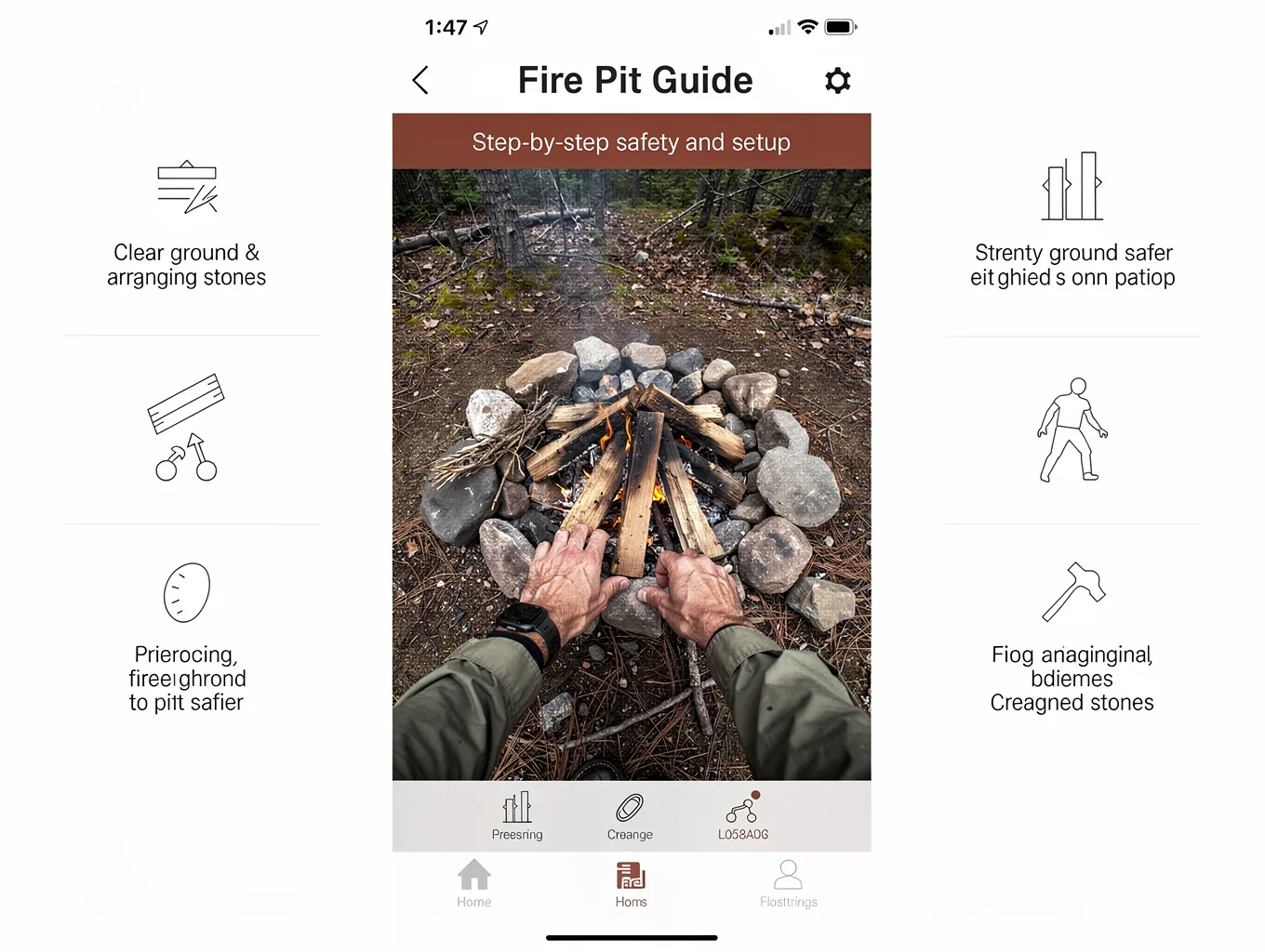
In field scenarios where discretion is essential, open bonfires betray location through brilliant light signatures and towering smoke columns. Gray man doctrine requires sinking fire pits below ground grade or digging a dedicated two-hole Dakota fire trench. This configuration channels air directly to the burn chamber while shielding ambient glow from distant vantage points.
Smoke discipline begins with fuel selection. Green timber, pine needles, damp bark, and resinous softwoods produce thick, acrid smoke that lingers in low draws and carries for miles. Burn dead, standing hardwood branches that snap clean and dry, producing clear, high-temperature heat with negligible visual footprint.
- 1Excavate a 12-inch burn chamber paired with an angled upwind ventilation shaft for Dakota fire pit operation.
- 2Position natural rock shields or soil berms on downwind sides to eliminate peripheral light bloom.
- 3Select dry, standing dead hardwoods like oak, hickory, or ash and strip any damp external bark.
- 4Maintain a compact, intensely hot coal bed rather than large volatile flames to ensure complete combustion.
Ignition Redundancy & Weather Operations
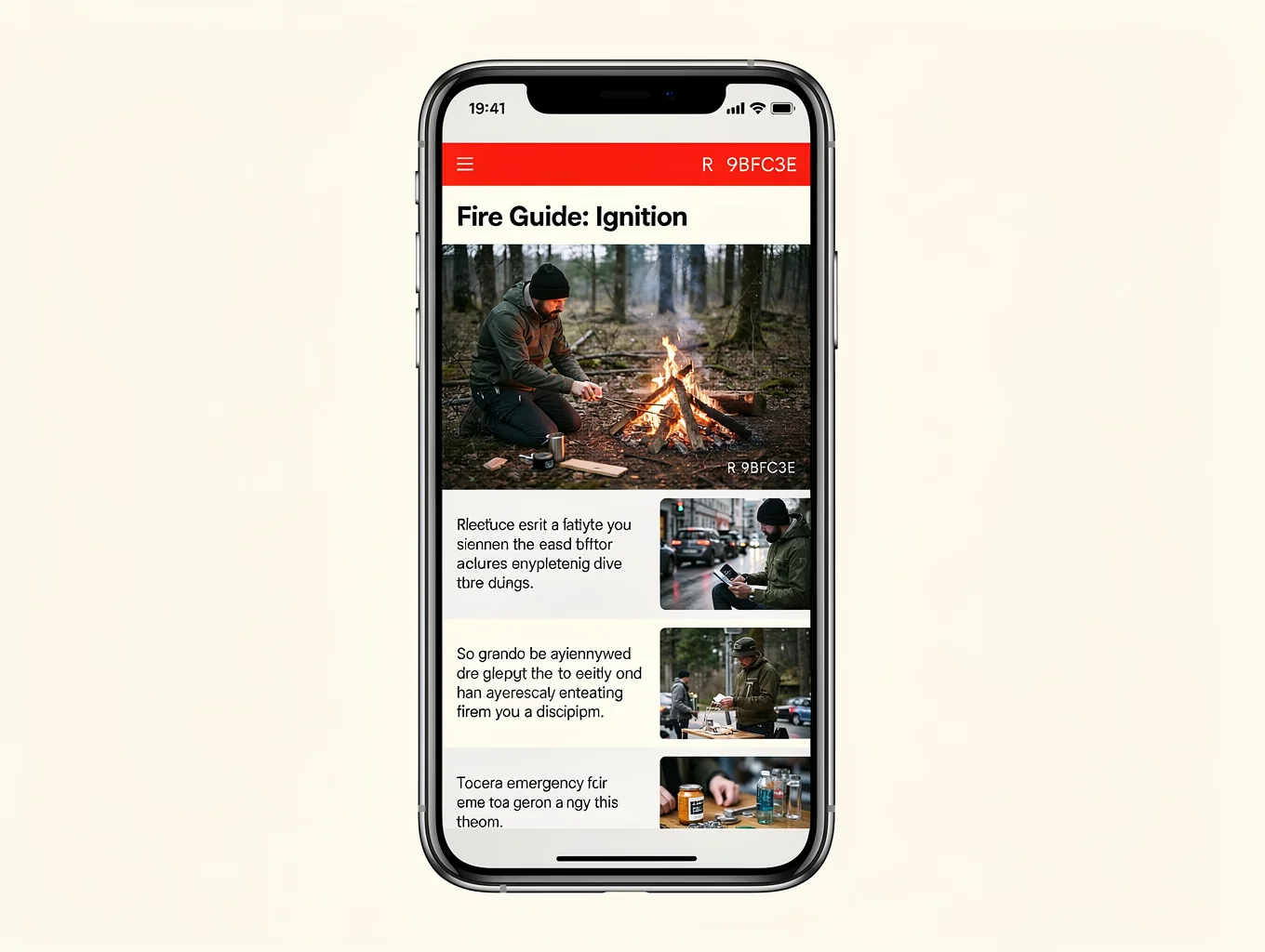
Never rely on a single ignition mechanism when ambient temperatures drop or wet conditions set in. Carry a multi-tiered fire-starting kit distributed across your primary belt gear and bug-out pack. Combine robust mechanical sparks, windproof chemical matches, and reliable pressurized butane lighters with pre-treated dry tinder.
During driving rain or freezing sleet, prepare a dry work surface beneath an overhead tarp angled away from the flame. Scrape damp outer bark from dead branches to expose the dry interior heartwood, and utilize synthetic wax plugs or petroleum cotton to ensure instantaneous spark ignition.
- 1Pack a ferrocerium rod, stormproof matches, and a sealed butane lighter in partitioned waterproof cases.
- 2Carry pre-made accelerated tinder such as petroleum jelly cotton balls, charred cloth, or resinous fatwood sticks.
- 3Shave wet exterior timber down to bone-dry internal core shavings before attempting spark transfer.
- 4Shield your striking zone against wind gusts using your torso or an angled rucksack barrier.
Fire Safety & Absolute Extinguishment Protocol
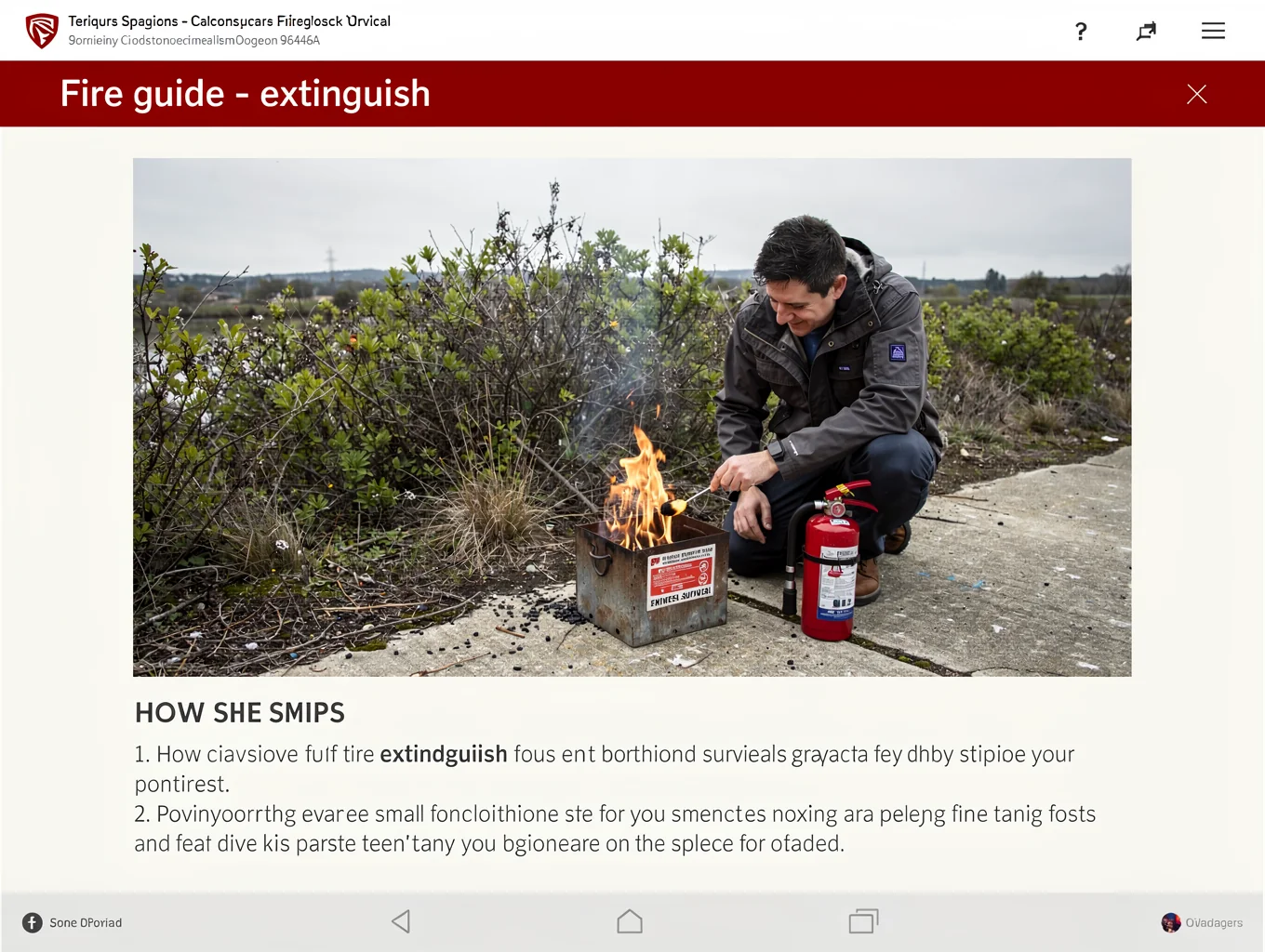
A fire that burns beyond control transforms a survival asset into an immediate hazard, destroying shelter, consuming gear, and alerting regional responders. Establish an unobstructed perimeter clear of dead leaves, overhanging pine branches, and combustible duff for a minimum radius of five feet around your fire pit.
When preparing to break camp or abandon a position, execute an absolute cold-out extinguishing sequence. Smothering embers with a thin layer of dirt is insufficient; subterranean root fires can smolder undetected for days before erupting into forest blazes. Saturate the bed, churn all coals into a wet paste, and verify cold conditions with an open bare hand.
- 1Clear all combustible forest debris, dry needles, and leaf duff within a 5-foot perimeter of the burn pit.
- 2Douse the glowing coal bed thoroughly with water while stirring ashes continuously with a sturdy stick.
- 3Blend mineral soil into the wet slurry to extinguish residual embers trapped beneath deep ash layers.
- 4Hold the back of your bare hand directly against the wet ashes to confirm the pit is completely cold to touch.
Essential Firecraft Staging
- Heavy-duty ferrocerium rod with hardened carbide striking blade
- Airtight match case packed with windproof, stormproof chemical matches
- Water-sealed tin containing petroleum-infused cotton tinder and char cloth
- Compact pocket bellows or stainless steel air tube for targeted coal revival
- Foldable folding camp saw for processing dry standing hardwood timber
- Naturally cured fatwood splints sealed in a resealable barrier bag
- Full-tang carbon steel bushcraft knife for baton splitting and feather sticking
More Guides in this Series
Standard operational protocol & readiness briefing.
Standard operational protocol & readiness briefing.
Standard operational protocol & readiness briefing.
Standard operational protocol & readiness briefing.
Standard operational protocol & readiness briefing.
Standard operational protocol & readiness briefing.
Standard operational protocol & readiness briefing.
Standard operational protocol & readiness briefing.